
Noida Hospitals Report Surge in Dehydration and Heat Related Illnesses Amid Rising Temperatures
Hospitals across Noida are witnessing a significant increase in patients suffering from dehydration, dizziness and heat related illnesses as prolonged high temperatures and heatwave conditions continue to affect the National Capital Region. Health authorities and

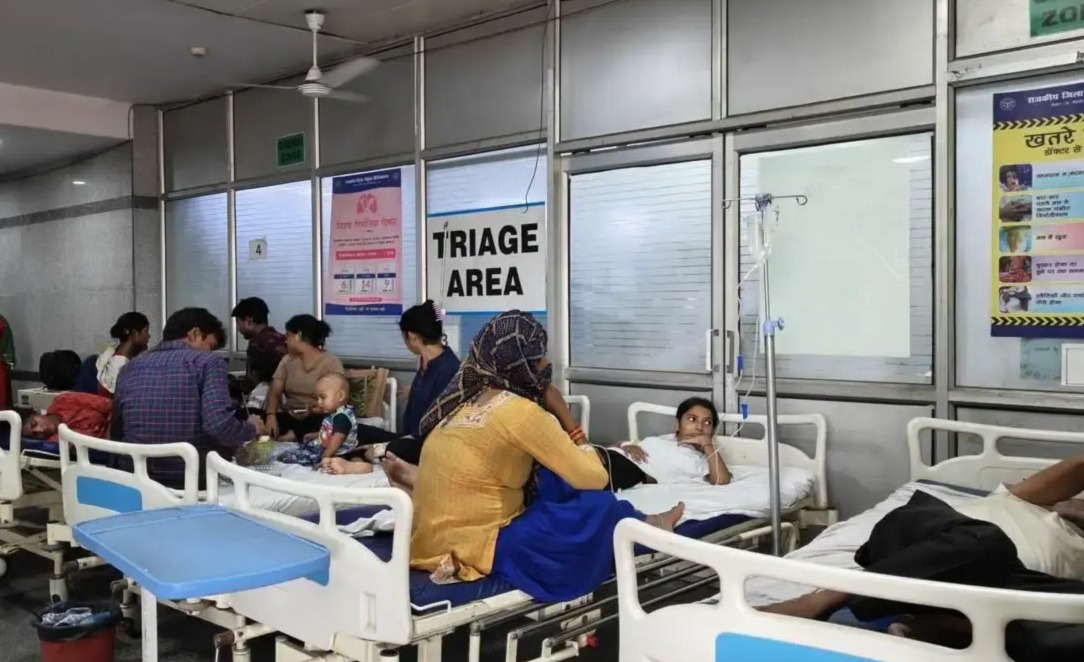
Hospitals across Noida are witnessing a significant increase in patients suffering from dehydration, dizziness and heat related illnesses as prolonged high temperatures and heatwave conditions continue to affect the National Capital Region. Health authorities and medical experts have urged residents to take preventive measures as extreme heat places additional pressure on healthcare facilities.
According to senior doctors at the district hospital, more than 200 cases of dehydration, dizziness and heat related fever have been reported since last week, reflecting a sharp rise in the number of patients seeking treatment for heat related conditions. Hospitals in the city have reported increased outpatient visits, particularly among children, elderly individuals, outdoor workers and patients with pre existing health conditions.
Medical professionals attribute the rise in cases to sustained exposure to high temperatures, inadequate hydration and prolonged outdoor activity during peak heat hours. Common symptoms reported by patients include fatigue, weakness, dizziness, headaches, fever, nausea and dehydration related complications.
The India Meteorological Department (IMD) has repeatedly warned that heatwaves are becoming more frequent and intense across several parts of the country due to changing climatic conditions. According to public health experts, extreme heat can lead to dehydration, heat exhaustion, heat stroke and the worsening of cardiovascular, respiratory and kidney related illnesses.
The World Health Organization (WHO) identifies extreme heat as one of the leading environmental causes of preventable deaths globally. Vulnerable populations, including older adults, infants, pregnant women and individuals with chronic diseases, face a higher risk of heat related complications and require additional precautions during periods of elevated temperatures.
Healthcare experts have advised residents to maintain adequate hydration, avoid outdoor exposure during peak afternoon hours, wear light clothing and seek immediate medical attention if symptoms such as persistent dizziness, confusion, high fever or severe weakness occur. Hospitals have also been instructed to maintain preparedness for managing heat related emergencies and to strengthen public awareness initiatives.
The recent increase in heat related illnesses in Noida mirrors a broader trend observed across several parts of India, where rising temperatures have contributed to increased healthcare utilization and public health concerns. Experts emphasize that strengthening heat action plans, public awareness campaigns and healthcare preparedness will be essential to mitigating the health impacts of extreme weather events.
The surge in cases highlights the growing intersection between climate change and public health and underscores the need for coordinated strategies to protect vulnerable populations from the increasing burden of heat related illnesses.