
PM Modi Highlights 12 Years of Healthcare Transformation as Ayushman Bharat and Jan Aushadhi Expand Access to Affordable Care
Prime Minister Narendra Modi on 14th June 2026 highlighted India's healthcare achievements over the past 12 years, stating that the country has made significant progress in making quality healthcare more affordable and accessible for all

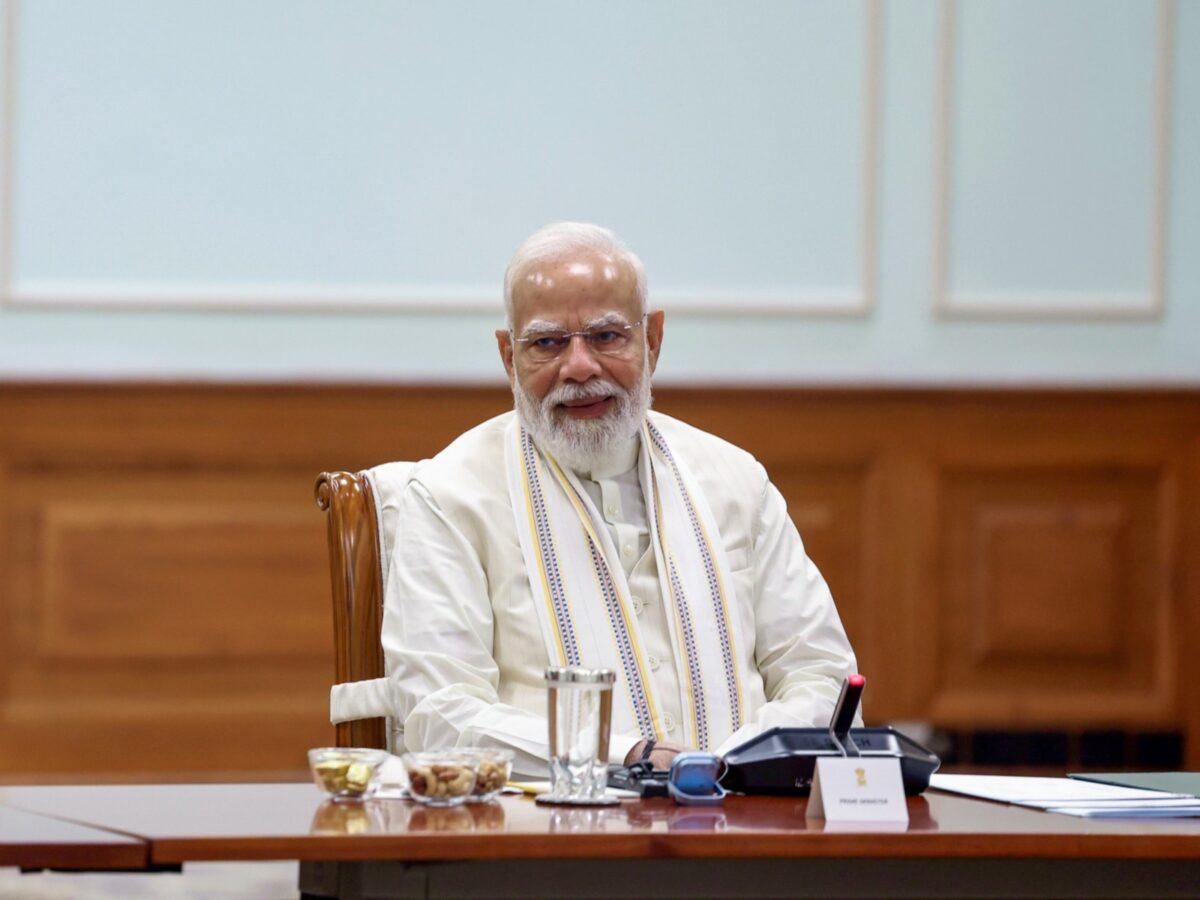
Prime Minister Narendra Modi on 14th June 2026 highlighted India’s healthcare achievements over the past 12 years, stating that the country has made significant progress in making quality healthcare more affordable and accessible for all citizens through a series of flagship initiatives and reforms.
In a message shared on social media under the theme of “12 Years of Swasth Bharat,” the Prime Minister said India takes pride in being home to the world’s largest government funded healthcare programme, Ayushman Bharat, which provides quality healthcare services to vulnerable populations. He noted that the government’s efforts have focused on reducing healthcare costs, strengthening medical infrastructure, expanding medical education, and improving access to treatment across the country.
Ayushman Bharat Pradhan Mantri Jan Arogya Yojana (AB-PMJAY), launched in 2018, currently provides health coverage of up to ₹5 lakh per family annually for secondary and tertiary hospitalization. According to official government data, more than 44 crore Ayushman cards have been issued and over 12 crore hospital admissions have been authorized under the scheme, making it one of the largest publicly funded health insurance programmes globally.
The Prime Minister also highlighted the impact of the Pradhan Mantri Bharatiya Jan Aushadhi Pariyojana, under which more than 18,000 Jan Aushadhi Kendras are providing quality generic medicines at significantly lower prices than branded alternatives. Government estimates indicate that medicines sold through these outlets are typically 50–90 percent cheaper, helping patients save substantially on healthcare expenses. Measures such as capping the prices of cardiac stents and knee implants have also contributed to reducing treatment costs for millions of Indians.
India’s healthcare infrastructure has expanded considerably over the last decade. Official figures show that more than 1.86 lakh Ayushman Arogya Mandirs have been operationalized nationwide, while digital health initiatives have facilitated over 47 crore telemedicine consultations. The number of medical colleges in the country has more than doubled since 2014, accompanied by a significant increase in undergraduate and postgraduate medical seats, improving access to medical education and strengthening the healthcare workforce.
The government also pointed to progress in disease control and public health outcomes, including intensified efforts toward tuberculosis elimination, strengthened disease surveillance systems, and reductions in the burden of several preventable diseases. Improved healthcare delivery and expanded screening programmes have contributed to better health indicators across the country.
Reaffirming the government’s commitment to building a healthier nation, Prime Minister Modi said efforts to strengthen healthcare accessibility, affordability and quality will continue in the years ahead, ensuring that the benefits of healthcare reforms reach every section of society.