

Centre Assures Exam Reforms as Sonam Wangchuk Ends 26-Day Hunger Strike Over NEET Paper Leak Protests
Social activist Sonam Wangchuk has ended his 26-day hunger strike after receiving written assurances from the Central Government on key demands related to the alleged NEET paper leak controversy and examination reforms. The fast concluded

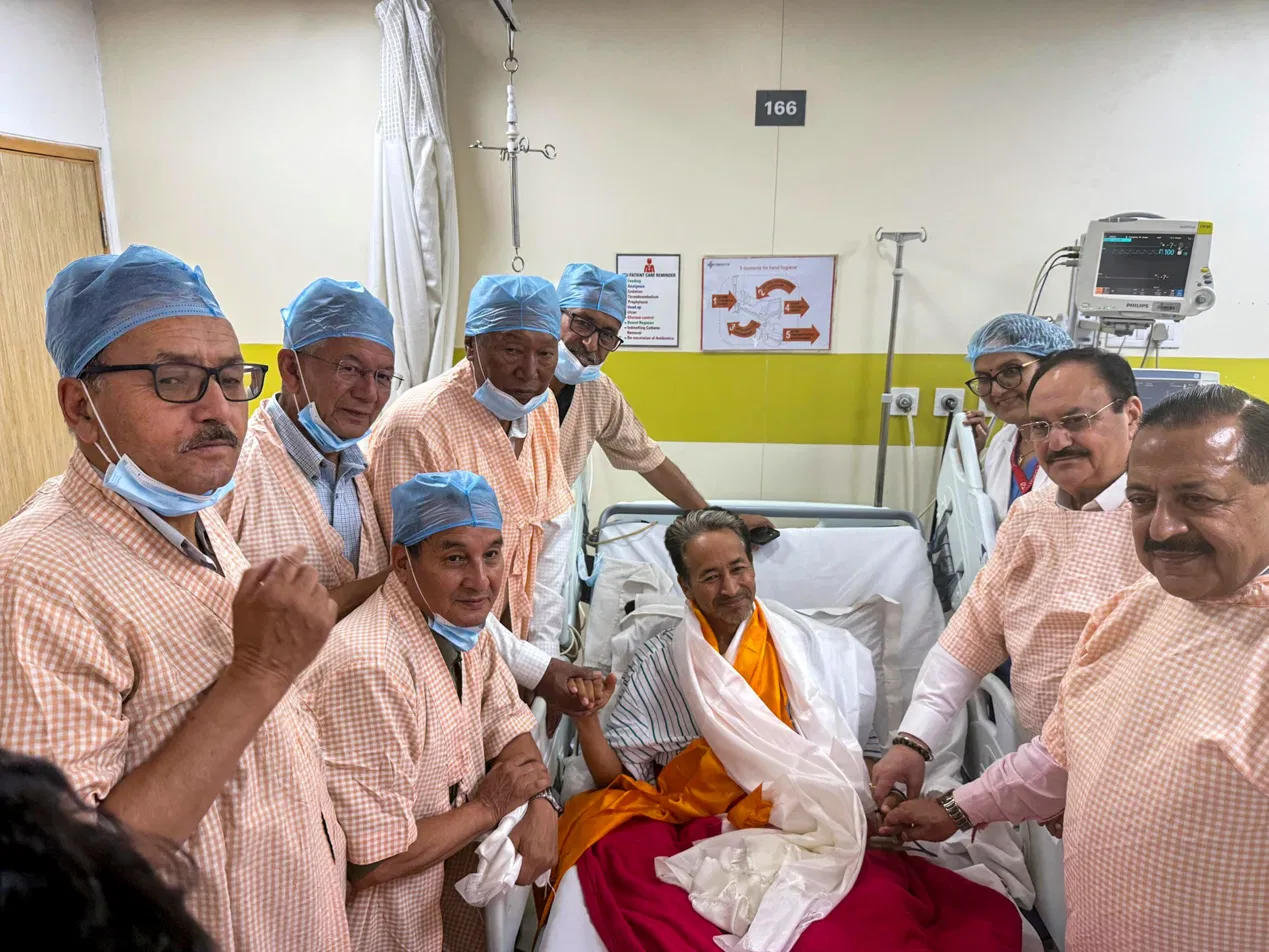
Social activist Sonam Wangchuk has ended his 26-day hunger strike after receiving written assurances from the Central Government on key demands related to the alleged NEET paper leak controversy and examination reforms. The fast concluded at Medanta Hospital, Gurugram, in the presence of Union Health Minister J.P. Nadda and Union Minister Dr. Jitendra Singh, following discussions between government representatives and protest leaders.
Key Points of the Government’s Written Assurance
- No legal action or FIRs against students and citizens who protested peacefully, including those in the “Sansad Chalo” march
- Examination reforms and paper-leak allegations to be discussed in Parliament
- Fast-track courts proposed for speedy trials in paper leak cases
- Stricter legal provisions planned to deter future examination fraud
- Draft legislation to strengthen India’s examination system before introduction in Parliament
“Beginning of Accountability”: Wangchuk on the Breakthrough
According to the written assurances shared by Wangchuk, the government committed that no legal action or FIRs would be initiated against students and citizens who participated peacefully in the protests, including those who joined the “Sansad Chalo” march. The Centre also assured that examination reforms and issues concerning alleged paper leaks would be taken up for discussion in Parliament. Wangchuk described the development as the “beginning of accountability” while emphasising that the larger movement for transparent examinations would continue.
PM Modi’s Address Preceded the Breakthrough
The breakthrough came hours after Prime Minister Narendra Modi addressed the nation on the examination controversy, announcing that the government would move towards establishing fast-track courts to ensure speedy trials in paper leak cases and introduce stricter legal provisions to deter future examination fraud. The Prime Minister also indicated that draft legislation aimed at strengthening the country’s examination system would be discussed before being introduced in Parliament.
Why the NEET Paper Leak Row Became a National Movement
The NEET paper leak controversy has triggered one of the country’s largest student-led movements in recent years. NEET-UG is one of India’s biggest entrance examinations, with over 2.2 million candidates appearing annually, making transparency and credibility of the examination system a matter of national importance. The protests have drawn widespread support from students, parents, civil society groups, and several public figures, with demands centred on accountability, stronger safeguards against paper leaks, and systemic reforms in competitive examinations.
What Happens Next
The end of Wangchuk’s fast marks an important milestone in the ongoing dialogue between the government and protesting students. While several key demands – including accountability for those responsible for examination irregularities and broader education reforms – remain under discussion, the government’s written assurances and proposed legislative measures have opened the door for further engagement. Stakeholders across the education sector will now closely watch the implementation of these commitments and their impact on restoring public confidence in India’s competitive examination system.
FAQs on Sonam Wangchuk’s Hunger Strike and NEET Reforms
Why did Sonam Wangchuk go on a hunger strike?
Wangchuk began his fast to demand accountability and reforms following the alleged NEET paper leak controversy, joining a broader student-led protest movement.
How long did Sonam Wangchuk’s hunger strike last?
The hunger strike lasted 26 days and concluded at Medanta Hospital, Gurugram, after the government provided written assurances.
What did the government assure Wangchuk and the protesters?
The Centre assured no FIRs against peaceful protesters, parliamentary discussion on exam reforms, fast-track courts for paper leak cases, and draft legislation to strengthen the examination system.
How many students appear for NEET-UG every year?
Over 2.2 million candidates appear for NEET-UG annually, making it one of India’s largest entrance examinations.