
State Health Department Launches Comprehensive Drive Against Dengue Amid Rising Monsoon Risks
The District Health Department has initiated a coordinated, state-wide campaign to prevent and control dengue as monsoon conditions intensify, launching door-to-door surveillance, public awareness efforts, and vector control operations in high-risk areas. In Ranchi, the drive

The District Health Department has initiated a coordinated, state-wide campaign to prevent and control dengue as monsoon conditions intensify, launching door-to-door surveillance, public awareness efforts, and vector control operations in high-risk areas.
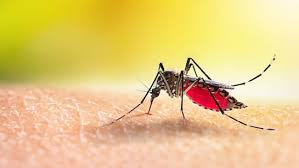
In Ranchi, the drive commenced with civil surgeon Dr. Prabhat Kumar highlighting the campaign’s core objective: identifying and eliminating potential Aedes mosquito breeding sites while educating residents on preventative practices. To support this, the department issued tenders in May for the engagement of local volunteer organisations to assist with surveillance. Between January and June 2024, authorities inspected over 32,600 households, detecting mosquito larvae in nearly 1,924 homes and in more than 2,039 water containers; ongoing efforts are expected to significantly reduce these numbers in 2025 through active source removal
Across Jharkhand, an uptick in vector-borne diseases—particularly dengue, malaria, and chikungunya—has put the health system on alert. In East Singhbhum district, officials recorded five new dengue cases this week, upping the yearly total to 13. Stringent measures including case reporting to IDSP, cleanliness drives, bleaching, and fogging in hotspots such as Chhota Govindpur and Birsanagar are now underway. Residents are advised to be alert to dengue symptoms and use the 104 helpline for guidance
In Ludhiana, health authorities led a large-scale inspection of 104 police stations, 614 vacant plots, around 22,600 homes, and nearly 40,000 water containers. Larvae were found in 121 containers and 92 houses. The campaign included educational sessions at police stations, with senior health officials and epidemiologists closely supervising the operation. Further intensification of larval control is slated as dengue season advances
In neighbouring regions like Panchkula and Jaipur, similar initiatives are underway. Panchkula authorities have mandated fogging across rural and urban sectors, release of larvivorous fish in ponds, and repeated inspections at scrap yards and public spaces. In Jaipur, a new mobile app developed with the DoIT enables health teams to geotag and report garbage dumps—major mosquito breeding sites—to municipal bodies for prompt cleaning
⚠️ Why This Drive Matters
Monsoon risks: With rains arriving, stagnant water has increased mosquito breeding potential—Jharkhand logged significant rises in mosquito-transmitted illnesses between January and June 2025
Community ownership: Beyond spraying, the strategy emphasises public vigilance—weekly cleaning, covering water containers, and school-led awareness programs foster preventive habits.
Evidence of success: Bengaluru’s proactive model—deploying 700 volunteers and 240 inspectors, training communities and overseeing schools—led to nearly 70% fewer dengue cases in June 2025 compared to the previous year
🎯 Key Components of the Campaign
Door-to-door larval surveillance by teams conducting household inspections and source elimination
Institutional inspections, including public offices and police stations, to detect and address breeding sites
Community engagement campaigns, with rallies, school programs, public pledges, and educational vans
Fogging and chemical measures in identified hotspot zones, coordinated by municipal bodies and health officials
Digital monitoring and reporting, exemplified by app-based garbage site tracking in Jaipur
Enhanced interdepartmental coordination, with civil surgeons, epidemiologists, ASHA workers, sanitation staff and volunteers forming a unified frontline
✅ Outlook & Public Appeal
The health department has urged residents to participate actively by maintaining clean surroundings, covering stored water, and ensuring proper sanitation in and around homes and public premises. “Eliminating stagnant water, from flower pots to coolers, is a simple yet powerful defence,” officials reiterated. Penalties for repeat breeding hotspots are being enforced in some regions to reinforce compliance.
In the coming weeks, intensified fogging, breeding site destruction, and screening efforts are planned across vulnerable districts. Public cooperation remains central to the mission: a dengue-free region hinges on weekly toxicity checks, informed behaviour, and responsive reporting.