
When Should Women Get a Mammogram? Experts Weigh In as New Breast Cancer Screening Guidelines Spark Debate
Updated breast cancer screening recommendations released by the American College of Physicians (ACP) have reignited discussions among healthcare professionals about the ideal age and methods for breast cancer screening, leaving many women uncertain about when

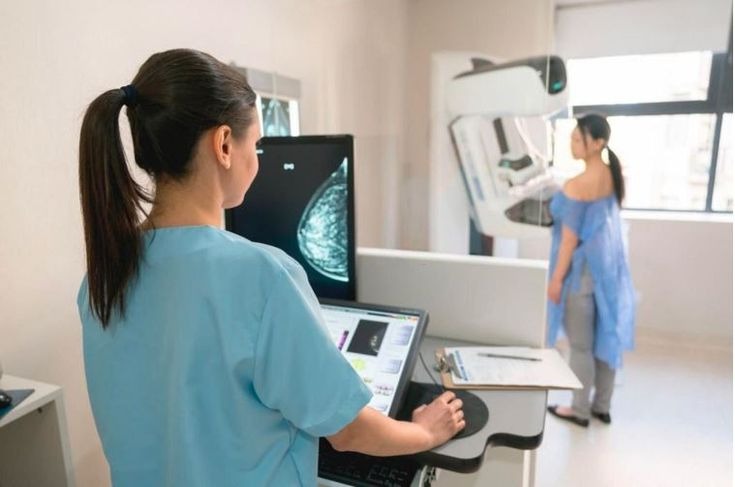
Updated breast cancer screening recommendations released by the American College of Physicians (ACP) have reignited discussions among healthcare professionals about the ideal age and methods for breast cancer screening, leaving many women uncertain about when they should begin routine mammograms.
The revised 2026 guidance includes updated recommendations on screening age, the use of supplemental MRI and ultrasound examinations, and the role of artificial intelligence assisted mammography. The recommendations differ from earlier guidance issued by the U.S. Preventive Services Task Force (USPSTF), highlighting ongoing debates within the medical community regarding optimal screening strategies.
Breast cancer remains the most commonly diagnosed cancer among women worldwide. According to the WHO, more than 2.3 million women were diagnosed with breast cancer globally in 2022, while nearly 670,000 deaths were attributed to the disease. In India, breast cancer accounts for a significant proportion of cancer cases among women and continues to be a major public health concern.
Experts emphasize that mammography remains the gold standard for early breast cancer detection. Early diagnosis significantly improves treatment outcomes and survival rates, with studies showing that cancers detected at an early stage are generally easier to treat and associated with better long term outcomes.
While screening recommendations may vary between organizations, healthcare professionals generally advise women at average risk to discuss screening plans with their doctors beginning in their 40s. Women with a family history of breast cancer, genetic risk factors, or other high risk conditions may require earlier and more frequent screening.
The latest ACP guidance has also raised questions about the routine use of supplemental imaging such as MRI and ultrasound, particularly for women with dense breast tissue. Additionally, the emergence of AI powered mammography tools is generating interest for their potential to assist radiologists in detecting abnormalities more accurately.
Experts stress that there is no one-size fits all approach to breast cancer screening. Factors such as age, family history, genetic predisposition, breast density, and overall health should guide individualized screening decisions.
As breast cancer rates continue to rise globally, healthcare professionals agree on one key message: regular screening and early detection remain among the most effective tools for reducing breast cancer mortality and improving patient outcomes