
Govt to Roll Out Rapid Test Kits for Hepatitis B and Sickle Cell Anaemia at PHCs Nationwide
Major push to strengthen primary healthcare and early disease detection in rural India In a landmark decision aimed at improving early diagnosis and preventive care, the Ministry of Health and Family Welfare has announced the deployment


Major push to strengthen primary healthcare and early disease detection in rural India
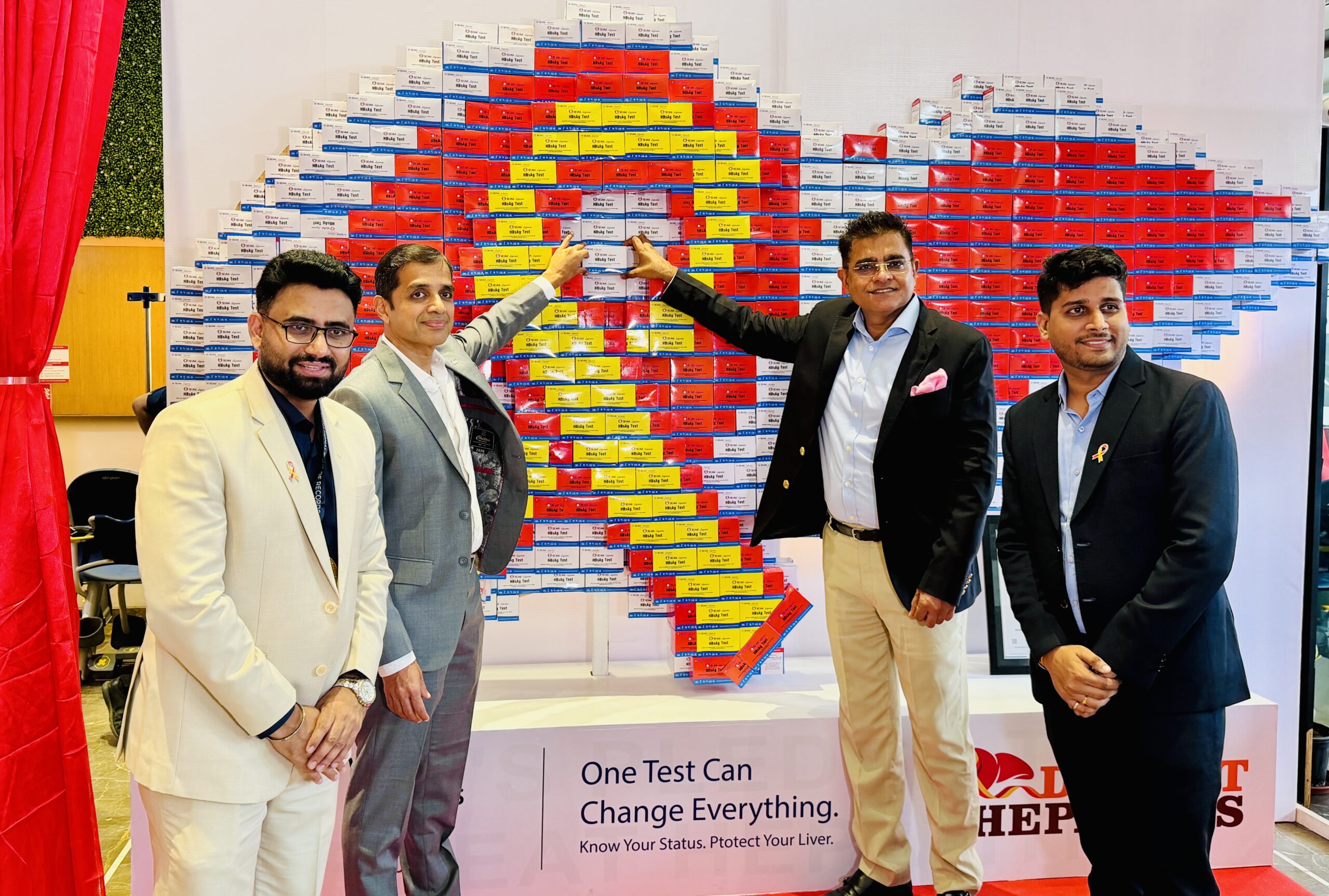
In a landmark decision aimed at improving early diagnosis and preventive care, the Ministry of Health and Family Welfare has announced the deployment of rapid diagnostic test kits for Hepatitis B and Sickle Cell Anaemia at Primary Health Centres (PHCs) across the country. This initiative is part of the government’s concerted efforts to make primary healthcare more responsive and accessible, particularly in tribal and underserved regions where the burden of these diseases remains disproportionately high.
Addressing Long-standing Gaps in Diagnostics
Despite major strides in healthcare access, a significant percentage of India’s rural and tribal populations continue to suffer from undiagnosed or late-diagnosed conditions due to a lack of basic diagnostic infrastructure. The introduction of point-of-care testing for Hepatitis B and Sickle Cell Anaemia is expected to drastically reduce delays in detection, allowing for timely treatment interventions and improved patient outcomes.
Experts note that Hepatitis B, a viral infection affecting the liver, can lead to chronic liver disease, cirrhosis, and even cancer if left untreated. Meanwhile, Sickle Cell Anaemia, a genetic blood disorder, predominantly affects Scheduled Tribe (ST) populations in states like Chhattisgarh, Madhya Pradesh, Maharashtra, Odisha, and Gujarat, often resulting in severe pain episodes, anaemia, and early mortality if not properly managed.
Phased Rollout in High-Burden Regions
According to senior officials from the ministry, the rapid test kits will first be distributed in districts identified under the National Viral Hepatitis Control Programme (NVHCP) and the National Sickle Cell Anaemia Elimination Mission, where incidence rates are highest.
The rollout will involve:
- Training of frontline health workers, including Auxiliary Nurse Midwives (ANMs) and Accredited Social Health Activists (ASHAs), to use the kits effectively.
- Awareness campaigns to promote voluntary testing, especially among pregnant women, adolescents, and tribal communities.
- Integration of test results into the national health data grid for long-term monitoring and research.
Public Health Experts Applaud Move
Health experts have lauded the move as a game-changer in India’s public health landscape. “Early diagnosis is a cornerstone of disease control,” said Dr. Meera Saxena, a public health researcher. “These kits will not only help identify cases early but also ensure that individuals are not subjected to unnecessary complications due to delayed treatment. This is a long-overdue step, especially for tribal healthcare.”
Government’s Broader Preventive Healthcare Vision
The initiative is a key component of the government’s broader mission to make preventive and promotive healthcare a central pillar of India’s health policy. The introduction of these rapid kits comes in the wake of a series of strategic healthcare interventions, including the Ayushman Bharat Health and Wellness Centres (HWCs), digital health ID rollout under ABDM, and the ambitious Elimination of Sickle Cell Anaemia by 2047 plan announced in the Union Budget 2023-24.
Additionally, these efforts support India’s commitment to meeting Sustainable Development Goal (SDG) 3, which aims to ensure healthy lives and promote well-being for all at all ages.
Way Forward
Officials confirmed that periodic audits, data collection, and community engagement will be essential to evaluate the success of the program. The government is also exploring partnerships with diagnostic companies and health tech innovators to improve the accuracy, affordability, and scalability of these rapid kits.
As India strives to make healthcare more inclusive and equitable, the availability of essential diagnostic tools at the grassroots level marks a vital step forward—bridging the gap between policy and people.