
Apollo Cancer Centres Launches ‘End-O Check’ – An Early Screening and Diagnosis Program for Endometrial and Ovarian Cancers
End-O Check will provide risk-based assessments, diagnostic testing, and symptom evaluation for women, particularly those in the postmenopausal age group Reinforcing its commitment to preventive oncology for women, Apollo Cancer Centres (ACCs) today launched End-O

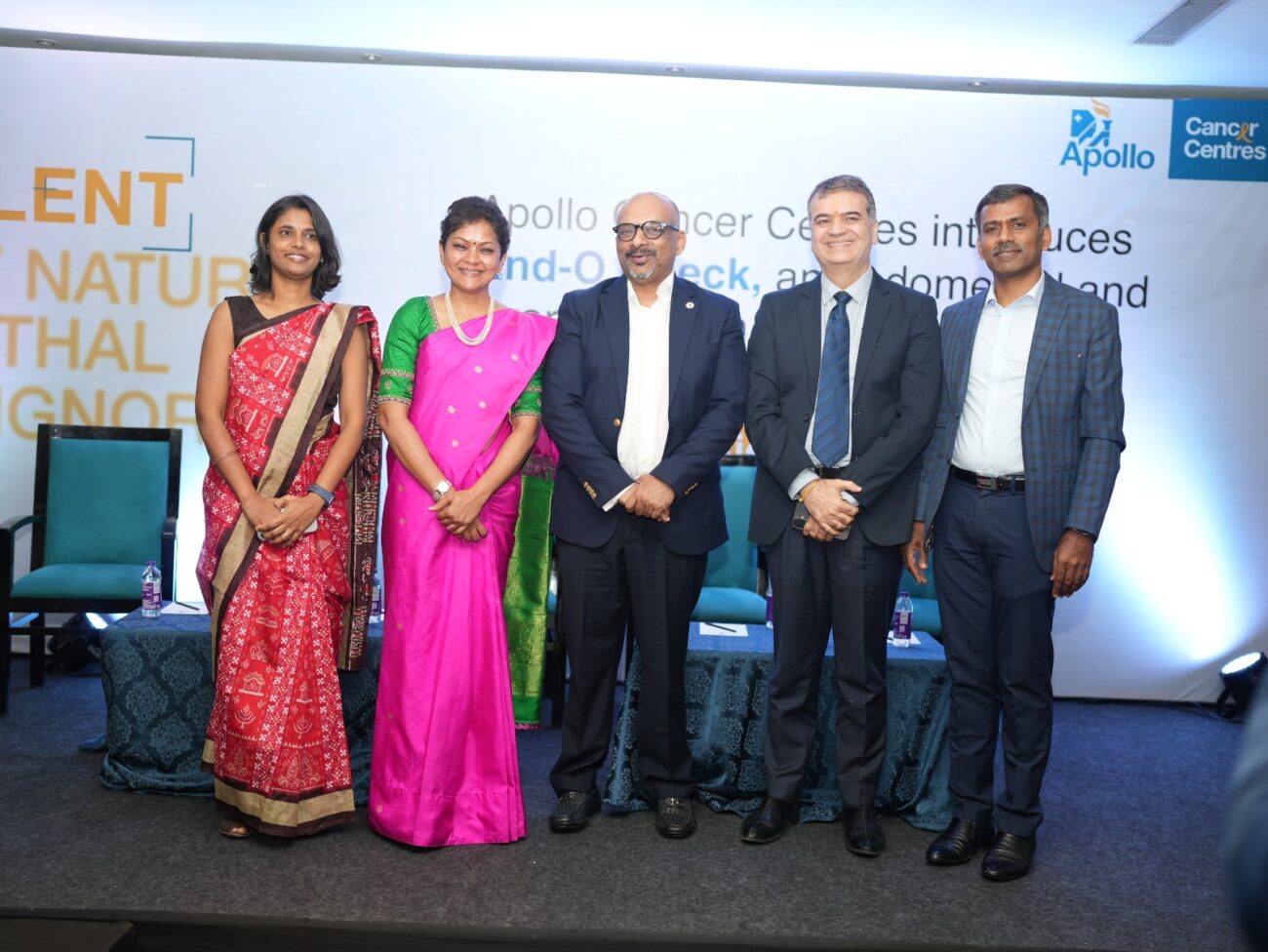
- End-O Check will provide risk-based assessments, diagnostic testing, and symptom evaluation for women, particularly those in the postmenopausal age group
Reinforcing its commitment to preventive oncology for women, Apollo Cancer Centres (ACCs) today launched End-O Check, a comprehensive early detection program targeting women aged 45 and above. The initiative is designed to detect two of the most prevalent gynaecologic cancers—endometrial and ovarian—at an early and more treatable stage.
While endometrial cancer often presents with symptoms such as unexpected bleeding or abnormal discharge, many women fail to report these signs early, leading to delayed diagnosis and poorer outcomes.
End-O Check is designed with a focus on early detection in high-risk populations, symptom awareness, and timely intervention, empowering women to take proactive steps for their gynaecologic health.
Speaking at the launch, Mr. Dinesh Madhavan, President, Group Oncology & International, Apollo Hospitals Enterprise Ltd, said, “Early detection remains our most powerful ally in improving survival and quality of life in cancer care. End O Check is a proactive step in shifting the narrative from treatment to screening and early diagnosis , enabling timely detection, and precision treatment by cancer managmenet teams “ .
Dr. Rani Bhat, Senior Consultant – Gynae Oncology, Apollo Cancer Centre, Bangalore, said, “Endometrial cancer has been on the rise in women, so early detection is crucial for better outcomes. Global data indicates a five years survival rate of around 96% for localized disease. However, survival rates drop substantially when diagnosis is delayed, underscoring the importance of timely detection. Key risk factors include obesity, diabetes, early menstruation, late menopause, and polycystic ovary syndrome (PCOS), all of which are becoming more prevalent among Indian women.”