
Cerebrovascular Society of India Hosts Neurovascon 2025 to Combat Growing Stroke in India
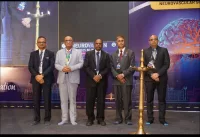
Stroke is a medical emergency, where every minute counts: Doctor Dr. A. Sivathanu Pillai, the “BrahMos Man of India,” Inaugurated the Neurovascon2025 as Chief Guest for 25th Silver Jubilee Meeting of the Cerebrovascular Society of India held

Stroke is a medical emergency, where every minute counts: Doctor
Dr. A. Sivathanu Pillai, the “BrahMos Man of India,” Inaugurated the Neurovascon2025 as Chief Guest for 25th Silver Jubilee Meeting of the Cerebrovascular Society of India held in Mumbai, September 26–28, 2025
The Cerebrovascular Society of India proudly hosted its 25th Annual Conference – Neurovascon2025, a landmark Silver Jubilee celebration held at the JW Marriott Hotel, Sahar, Mumbai, from September 26 to 28, 2025. This historic event marked 25 years of advancing stroke care, research, and surgical excellence across India.The inauguration program was graced by the esteemed Dr. A. Sivathanu Pillai, celebrated Scientist, technologist, and the visionary known as the “BrahMos Man of India”, who attended as the Chief Guest. His presence added distinction to the milestone event, which brought together neurosurgeons, neurologists, stroke specialists, and healthcare professionals from across the country.
Neurovascon2025 highlighted the extraordinary journey of the Cerebrovascular Society of India over the past 25 years, showcasing how the Society has played a pivotal role in shaping stroke awareness, prevention, and advanced surgical techniques. The conference served as a platform for knowledge-sharing, collaboration, and mentorship, attracting a significant number of young and mid-career neurosurgeons, alongside senior cerebrovascular experts who have been instrumental in advancing stroke management in India.
Over three days, the conference featured scientific sessions, surgical workshops, panel discussions, and public awareness initiatives, aimed at reducing the burden of stroke in India. Topics ranged from prevention and diagnosis to cutting-edge surgical interventions and technological innovations in stroke care. India today faces a worrying surge in stroke cases, largely driven by hypertension, diabetes, sedentary lifestyles, and lack of awareness. Stroke has become one of the leading causes of mortality and long-term disability, affecting not only patients but also placing a significant burden on families and society at large.
During the conference, speakers stressed the urgent need for public education, early detection, and preventive healthcare strategies to tackle the growing crisis. The BEFAST acronym—Balance, Eyes, Face, Arms, Speech, and Time—was strongly emphasized as a simple yet effective tool for recognizing the early warning signs of stroke and seeking immediate medical help.
Dr. Batuk Diyora, Senior Neurosurgeon, and Organizing Secretary at Neurovascon2025 said “India is witnessing a rapid rise in stroke cases, largely driven by uncontrolled hypertension and lifestyle changes. High blood pressure remains the single most important risk factor for stroke, yet it often goes undiagnosed or untreated. Preventive measures such as regular health check-ups, dietary modifications, physical activity, and timely medical consultation can significantly reduce risk. Public awareness about recognizing early warning signs through the BEFAST approach—Balance, Eyes, Face, Arms, Speech, Time—can save countless lives. By addressing hypertension proactively, we can curb the growing burden of stroke and protect families from long-term disability.”
Dr. Sangeeta Ravat, Neurologist & Dean, KEM Hospital, said “Stroke is a medical emergency where every minute matters. In an acute ischemic stroke, the brain loses nearly 1.9 million neurons each passing minute—summarized by the phrase ‘Time is Brain.’ Along with neurons, billions of synapses and kilometers of nerve fibers are destroyed, leaving lasting damage. The golden window of 4 ½ hours is our critical opportunity to save brain function and restore life. Public awareness is key—recognizing symptoms early and reaching a stroke-ready hospital within this time frame can make the difference between recovery and lifelong disability. As we celebrate 25 years of the Cerebrovascular Society of India, our focus must remain on research, collaboration, and creating widespread public awareness, so that every citizen recognizes stroke as a medical emergency and acts without delay.”
“In India, the incidence of stroke is around 130 per 100,000 population every year, and the prevalence is about 203 per 100,000 adults above 20 years, which amounts to nearly 1 million new cases annually. Stroke is no longer a disease only of the elderly—28% of victims are under the age of 65. It is the leading cause of serious long-term disability, with nearly three-quarters of all strokes still occurring in those above 65. The risk more than doubles with each decade after 55.” Added Dr Sangeeta Ravat.
Chief Guest, Dr. A. Sivathanu Pillai, shared his perspective “It is an honor to be invited as Chief Guest for the Silver Jubilee Meeting of the Cerebrovascular Society of India. Stroke has emerged as a major public health challenge in India, claiming lives and leaving many with lifelong disabilities. Awareness is the most powerful weapon in reducing this burden. Just as scientific innovation transforms defense and technology, public education and preventive healthcare can transform outcomes in stroke. I applaud the Society’s efforts over 25 years and urge collective action—doctors, policymakers, and citizens together—to create a future where stroke incidence is minimized through awareness and prevention.”
The Silver Jubilee Conference reaffirmed the Society’s mission to bridge the gap between medical expertise and public awareness. With the participation of hundreds of neurosurgeons, neurologists, and healthcare professionals, Neurovascon2025 set the stage for shaping the future of stroke prevention and treatment in India.
The event concluded with a collective call to action strengthen awareness campaigns, prioritize preventive healthcare, and ensure timely access to advanced stroke care. As India continues to face the rising tide of strokes, conferences like Neurovascon2025 remain vital in bringing together science, skill, and societal commitment to combat this health crisis.