

US FDA Approves First At-Home Device for Depression, Opening New Pathway for Accessible Mental Health Care
In a landmark development for mental health treatment, the United States Food and Drug Administration (US FDA) has approved the first at-home medical device designed to help manage symptoms of depression. The approval represents a

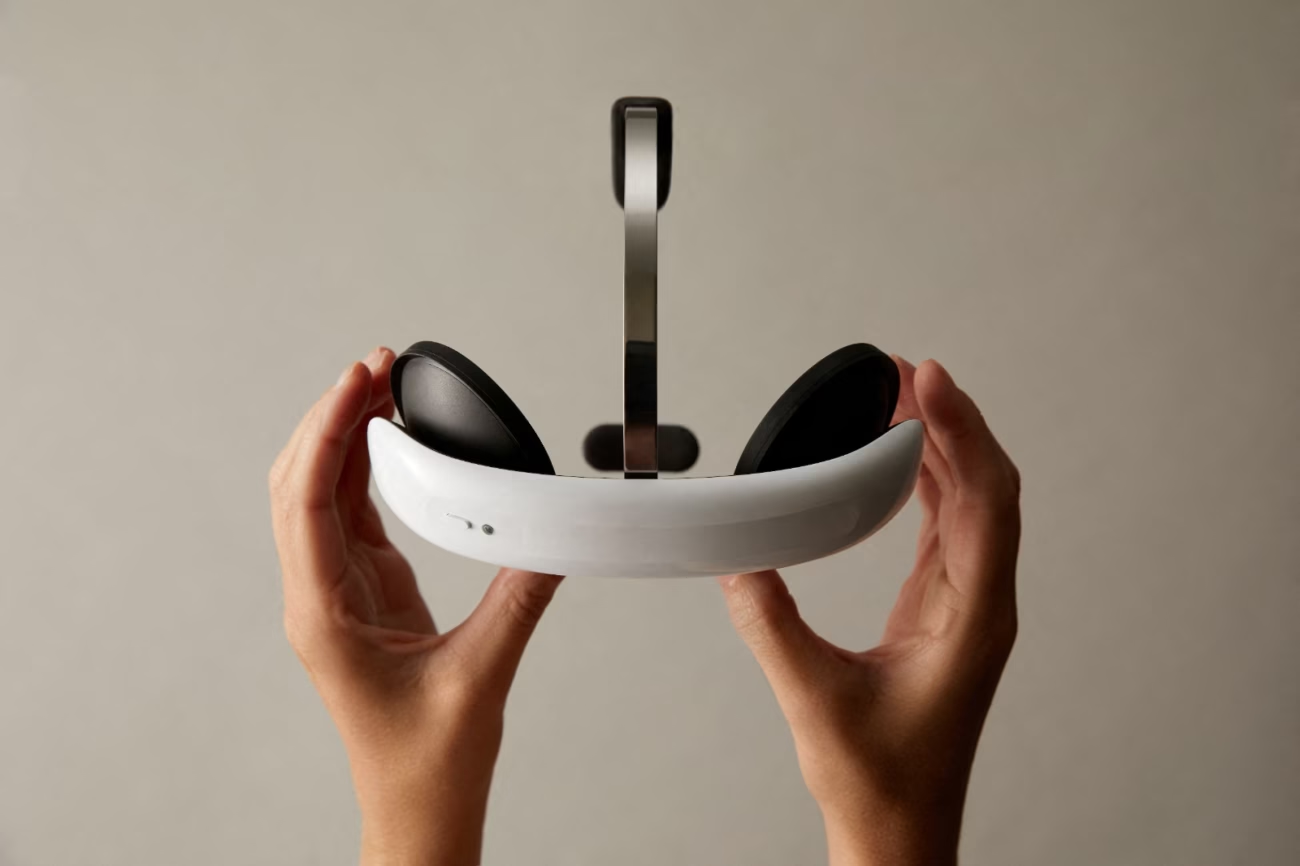
In a landmark development for mental health treatment, the United States Food and Drug Administration (US FDA) has approved the first at-home medical device designed to help manage symptoms of depression. The approval represents a major milestone in digital therapeutics and neuromodulation, offering patients a safe, clinician-guided alternative that can be used outside traditional hospital or clinic environments.
The newly approved device is intended for adults diagnosed with major depressive disorder who continue to experience symptoms despite standard treatment. Using non-invasive technology, the system delivers targeted stimulation under medical supervision through a connected digital platform. Patients are able to complete therapy sessions at home, while clinicians remotely track usage, adherence, and progress — helping integrate technology into everyday mental health care.
Experts believe this approval could significantly expand access to treatment, particularly for individuals facing barriers such as stigma, travel limitations, long appointment wait times, or lack of nearby specialists. By combining medical-grade hardware with data-driven monitoring, the device aims to complement existing therapies rather than replace them, supporting a more personalized and continuous model of care.
Clinical evaluations submitted to the FDA demonstrated that patients using the device experienced meaningful reductions in depressive symptoms compared with control groups, with an encouraging safety profile. The approval also reflects the agency’s growing recognition of innovative, evidence-based digital and device-supported mental health tools.
The introduction of an at-home depression treatment device is expected to accelerate adoption of connected health technologies, encourage further research into neuromodulation and digital therapeutics, and provide clinicians with new options to support patients in real-world settings.