
Delhi to Boost Homoeopathy, Integrate AYUSH with Mainstream Healthcare: Minister
New Delhi — The Delhi government is set to strengthen homoeopathy services and accelerate the integration of AYUSH systems into mainstream healthcare, reinforcing its push toward a more holistic and accessible public health model. The

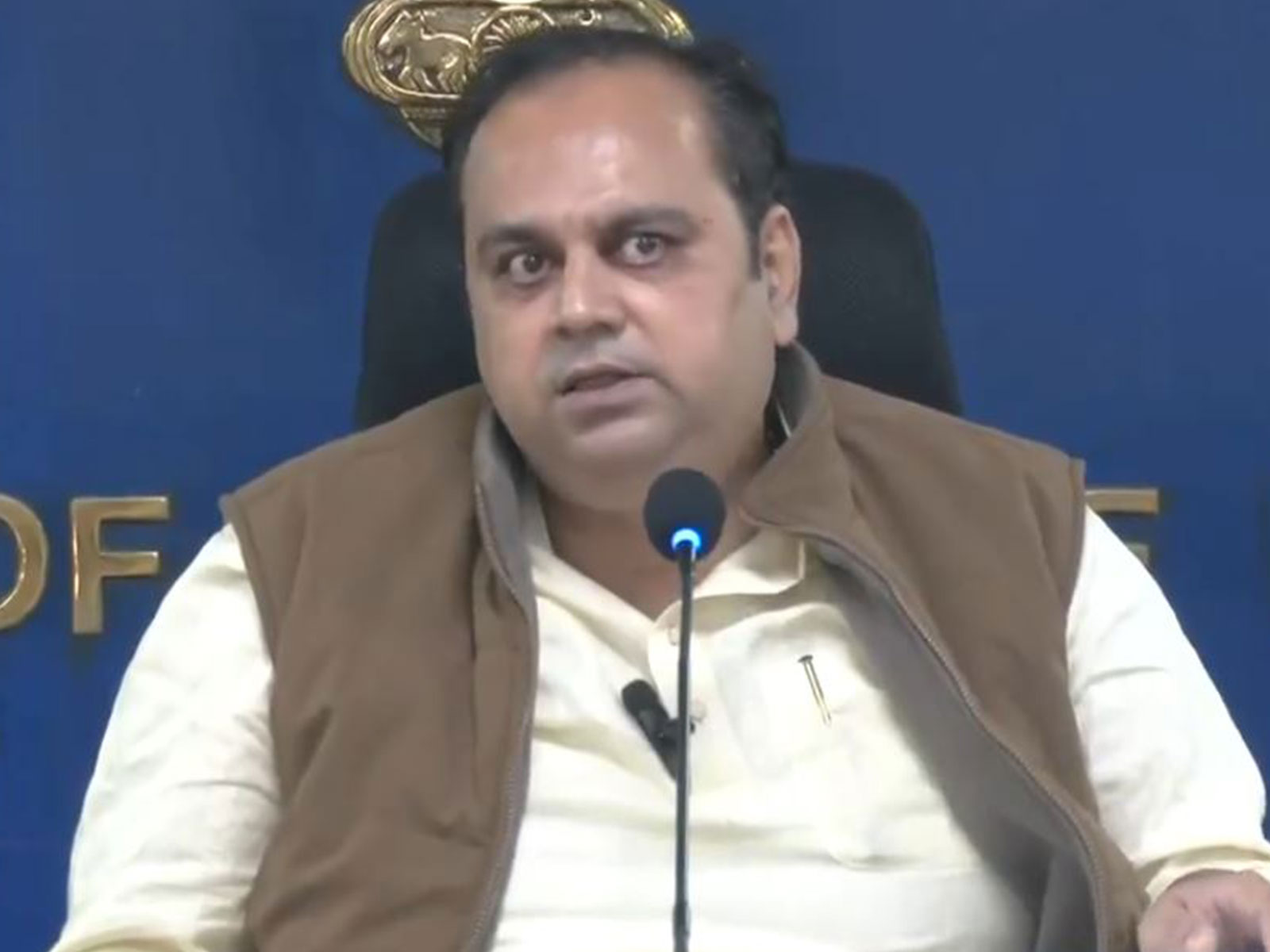
New Delhi — The Delhi government is set to strengthen homoeopathy services and accelerate the integration of AYUSH systems into mainstream healthcare, reinforcing its push toward a more holistic and accessible public health model. The announcement was made by Pankaj Kumar Singh, who emphasized the growing relevance of alternative medicine in managing chronic and lifestyle-related conditions.
The initiative focuses on expanding homoeopathy infrastructure, increasing the number of dispensaries and polyclinics, and improving access to AYUSH-based treatments across the capital. At present, Delhi operates over 100 homoeopathic dispensaries that cater to lakhs of patients annually, reflecting a steady rise in public trust and adoption of these systems.
A key component of the plan is the co-location model, which aims to bring AYUSH services—including Ayurveda, Yoga, and Homoeopathy—closer to conventional allopathic care within the same healthcare facilities. This integrated approach is expected to enhance patient choice, promote preventive healthcare, and enable more comprehensive treatment pathways.
Aligned with the broader vision of the Ministry of AYUSH, the move also includes a focus on awareness, research, and the use of integrative therapies for stress management and non-communicable diseases. The government is expected to further invest in workforce development and outreach programs to ensure wider penetration of AYUSH services, particularly in underserved areas.
This policy push highlights Delhi’s evolving healthcare strategy, where traditional and modern medicine converge to deliver patient-centric, inclusive, and sustainable healthcare solutions.