

Researchers Develop Wearable ‘Polygraph’ Device for Continuous Stress Detection
This wearable polygraph doesn’t detect lies, it detects stress. Researchers have developed a next generation wearable “polygraph” device capable of continuously detecting and monitoring stress levels in real time, marking a significant advancement in mental

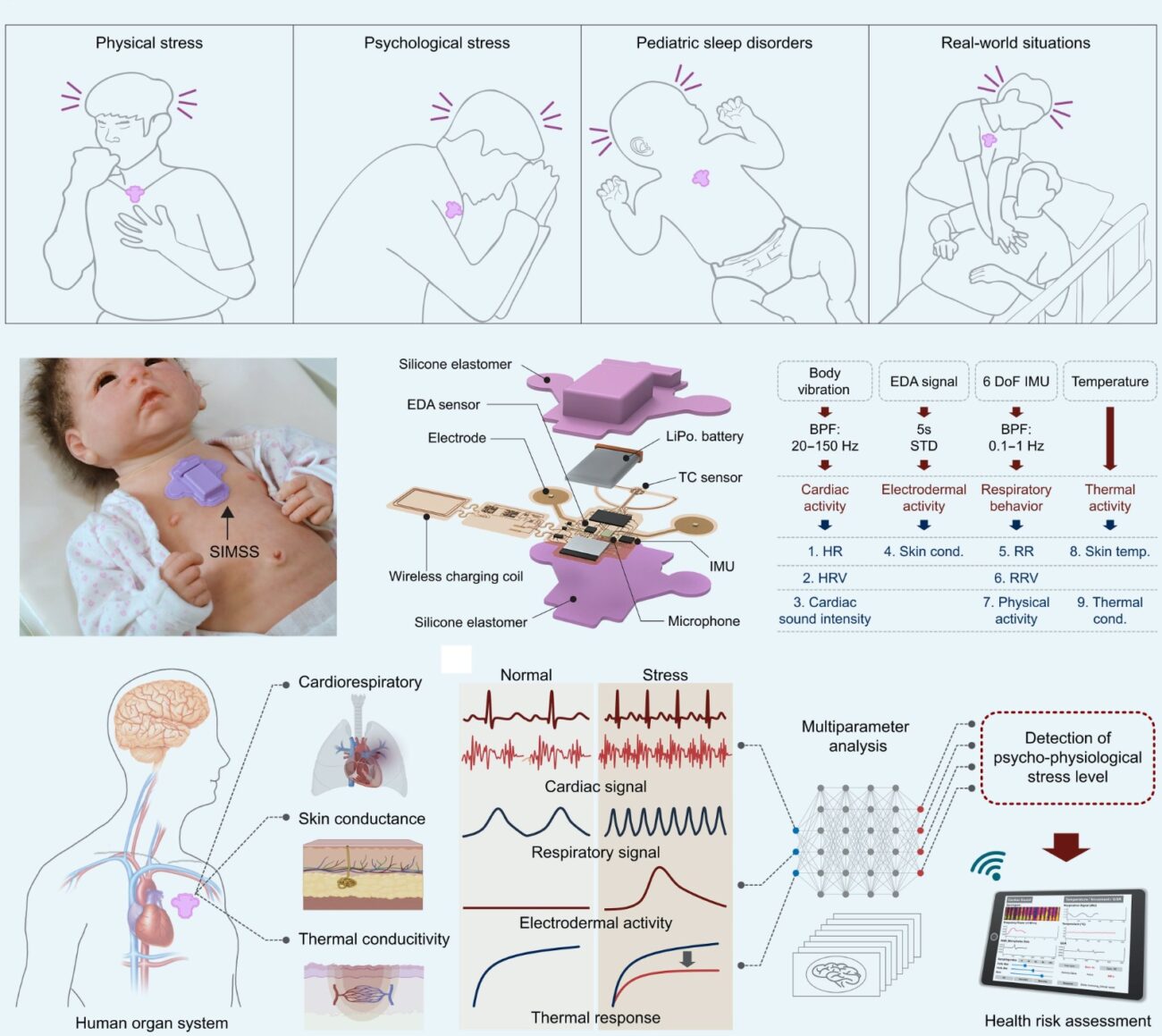
This wearable polygraph doesn’t detect lies, it detects stress. Researchers have developed a next generation wearable “polygraph” device capable of continuously detecting and monitoring stress levels in real time, marking a significant advancement in mental health monitoring and wearable healthcare technology.
The newly developed device is designed to track physiological signals associated with stress, including heart rate variability, skin conductivity, body temperature, and breathing patterns. Unlike conventional stress assessment methods that rely on questionnaires or occasional clinical evaluation, the wearable technology enables continuous and non invasive monitoring throughout daily activities.
According to the research team, the device uses advanced biosensors and artificial intelligence-based analysis to identify subtle biological changes linked to emotional stress and anxiety. Early trials reportedly demonstrated high accuracy in distinguishing stress responses from normal physical activity, offering promising applications in mental healthcare, workplace wellness, and preventive medicine.
Global health estimates suggest that stress related disorders continue to rise rapidly worldwide. According to the World Health Organization (WHO), anxiety and depression affect more than 970 million people globally, while chronic stress is increasingly linked to cardiovascular disease, sleep disorders, weakened immunity, and mental health complications.
Researchers believe the wearable system could help individuals and healthcare providers identify stress triggers earlier, improve mental health management, and support personalized healthcare interventions. The technology may also benefit high-stress professions such as healthcare workers, military personnel, emergency responders, and corporate employees.
The wearable healthcare market is projected to cross USD 150 billion globally by 2030, driven by increasing adoption of AI-powered health monitoring devices, digital health platforms, and preventive healthcare technologies.
Experts say innovations such as continuous stress-monitoring wearables represent a growing shift toward proactive and data driven healthcare, where real time monitoring could help improve both physical and mental well-being.