

Google Unveils AI-Powered Smartphone Camera System for Heart Rate Monitoring, Study Published in Nature
Google has unveiled an innovative research technology that uses a smartphone's front-facing camera and artificial intelligence (AI) to estimate a user's heart rate and resting heart rate during everyday smartphone use. The system, known as

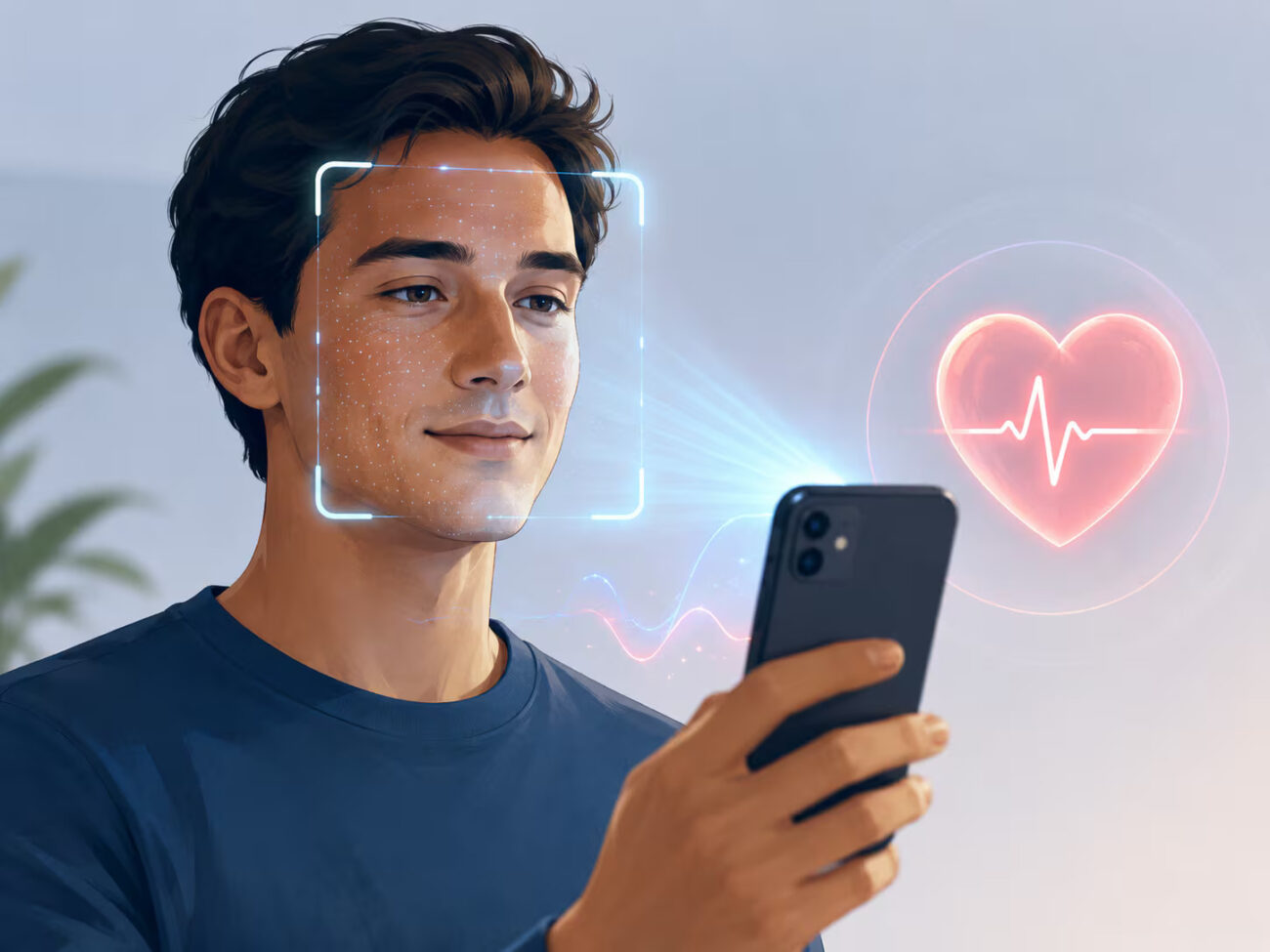
Google has unveiled an innovative research technology that uses a smartphone’s front-facing camera and artificial intelligence (AI) to estimate a user’s heart rate and resting heart rate during everyday smartphone use. The system, known as Passive Heart Rate Monitoring During Smartphone Use in Everyday Life (PHRM), represents a significant advancement in digital health and remote physiological monitoring.
The technology was detailed in a study published in the prestigious scientific journal Nature, highlighting Google’s ongoing efforts to integrate healthcare monitoring capabilities into consumer technology. Unlike traditional heart rate monitoring methods that require wearable devices or dedicated sensors, PHRM is designed to operate passively while users interact with their smartphones during routine activities.
According to researchers, the system leverages subtle physiological signals captured through the smartphone’s front-facing camera. Advanced AI algorithms analyze minute changes in facial characteristics associated with blood flow and cardiovascular activity to estimate heart rate metrics without requiring active user participation.
Healthcare experts believe the innovation could significantly expand access to health monitoring tools, particularly in regions where wearable devices and specialized medical equipment are less accessible. Smartphones have become nearly ubiquitous globally, creating opportunities for scalable digital health solutions that can support preventive healthcare and early health risk identification.
Heart rate and resting heart rate are widely recognized as important indicators of cardiovascular health and overall physiological condition. Elevated resting heart rates have been associated with increased cardiovascular risk, while changes in heart rate patterns may provide insights into stress, fitness levels, illness, and recovery status.
The development aligns with the broader trend of integrating artificial intelligence into healthcare. AI-powered technologies are increasingly being utilized for disease detection, remote patient monitoring, health risk assessment, and personalized wellness management. Industry analysts note that smartphone-based health monitoring could play a growing role in population health management and digital healthcare delivery.
Researchers emphasize that the technology remains a research-focused innovation and is not intended to replace clinical-grade diagnostic tools or professional medical evaluation. However, it demonstrates the potential for consumer devices to support continuous and non-invasive health monitoring.
The digital health market continues to experience rapid growth as healthcare systems worldwide adopt technology-enabled solutions to improve patient engagement and access to care. Smartphone-based health monitoring applications are expected to become increasingly important in supporting preventive healthcare strategies and remote monitoring initiatives.
As artificial intelligence and sensor technologies continue to advance, innovations such as PHRM may help transform everyday devices into powerful health monitoring platforms, bringing personalized healthcare insights closer to millions of users worldwide.