
Over 42 Crore Indians Screened for Hypertension Under Ayushman Arogya Mandir Programme; More Than 7.3 Crore Diagnosed, Says Nadda
Union Health Minister Jagat Prakash Nadda has announced that more than 42 crore people have been screened for hypertension under India's nationwide population based screening programme delivered through Ayushman Arogya Mandirs (AAMs), with over 7.3

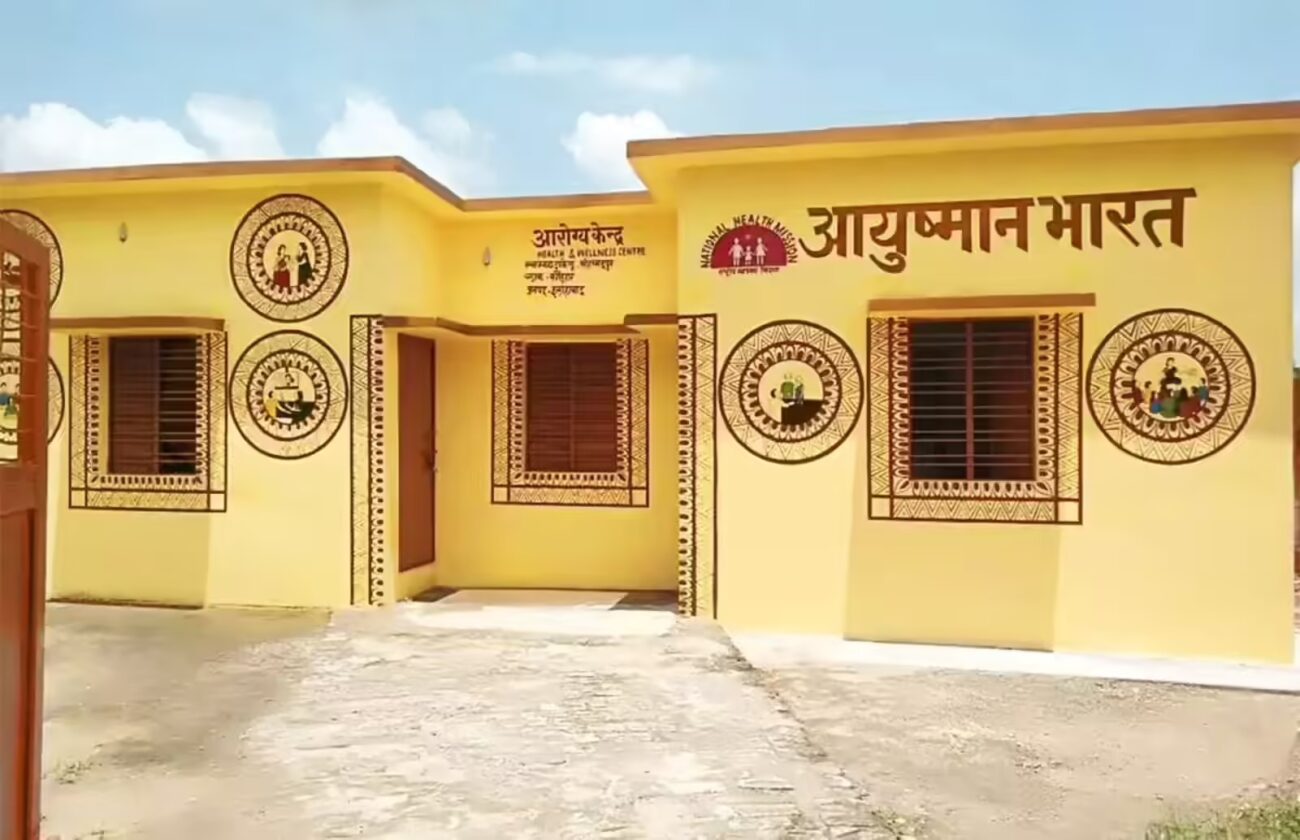
Union Health Minister Jagat Prakash Nadda has announced that more than 42 crore people have been screened for hypertension under India’s nationwide population based screening programme delivered through Ayushman Arogya Mandirs (AAMs), with over 7.3 crore individuals diagnosed with the condition. The minister said the initiative is significantly strengthening the early detection and management of non communicable diseases (NCDs) across the country.
Addressing the 16th meeting of the Central Council of Health and Family Welfare, Nadda highlighted the growing impact of population based screening programmes in identifying chronic diseases at an early stage and improving access to preventive healthcare services. He emphasized that early diagnosis and timely intervention are critical to reducing the long term burden of cardiovascular diseases, diabetes and cancer.
According to the Ministry of Health and Family Welfare, the nationwide screening programme has also identified more than 5 crore individuals with diabetes, in addition to detecting nearly one lakh cases of cervical cancer through population based cancer screening initiatives. The programme operates through the network of Ayushman Arogya Mandirs, which serve as the foundation of India’s comprehensive primary healthcare system.
The Ayushman Arogya Mandir initiative, launched under the Ayushman Bharat Programme, aims to transform existing primary healthcare facilities into comprehensive health and wellness centers providing preventive, promotive, curative and rehabilitative services. The centres play a key role in screening for major non communicable diseases, including hypertension, diabetes and common cancers.
Non communicable diseases account for nearly two thirds of all deaths in India, according to public health estimates. Hypertension alone affects approximately 220 million adults in the country and remains a major risk factor for heart disease, stroke and kidney failure. Similarly, diabetes continues to pose a significant public health challenge, with India accounting for one of the world’s largest populations living with the disease.
Healthcare experts have welcomed the expansion of population based screening, noting that early detection programmes can substantially reduce morbidity, mortality and healthcare costs associated with chronic diseases. They emphasize that strengthening primary healthcare infrastructure and improving screening coverage are essential components of achieving universal health coverage.
The government has increasingly focused on preventive healthcare strategies through initiatives such as Ayushman Arogya Mandirs, digital health platforms and community based screening programmes. Public health experts believe that large scale screening initiatives can significantly improve disease awareness, facilitate early treatment and strengthen long term health outcomes.
The latest figures underscore the scale of India’s preventive healthcare efforts and highlight the growing role of population based screening in addressing the country’s rising burden of non communicable diseases through early detection and timely intervention.