
Doctors Are Not Soft Targets Violence Against Healthcare Workers Is a National Healthcare Emergency
Authored by Dr. Mohsin Wali Every attack on a doctor is far more than an assault on an individual, it is an attack on the healthcare system itself. Yet, incidents of verbal abuse, intimidation and physical

Authored by Dr. Mohsin Wali

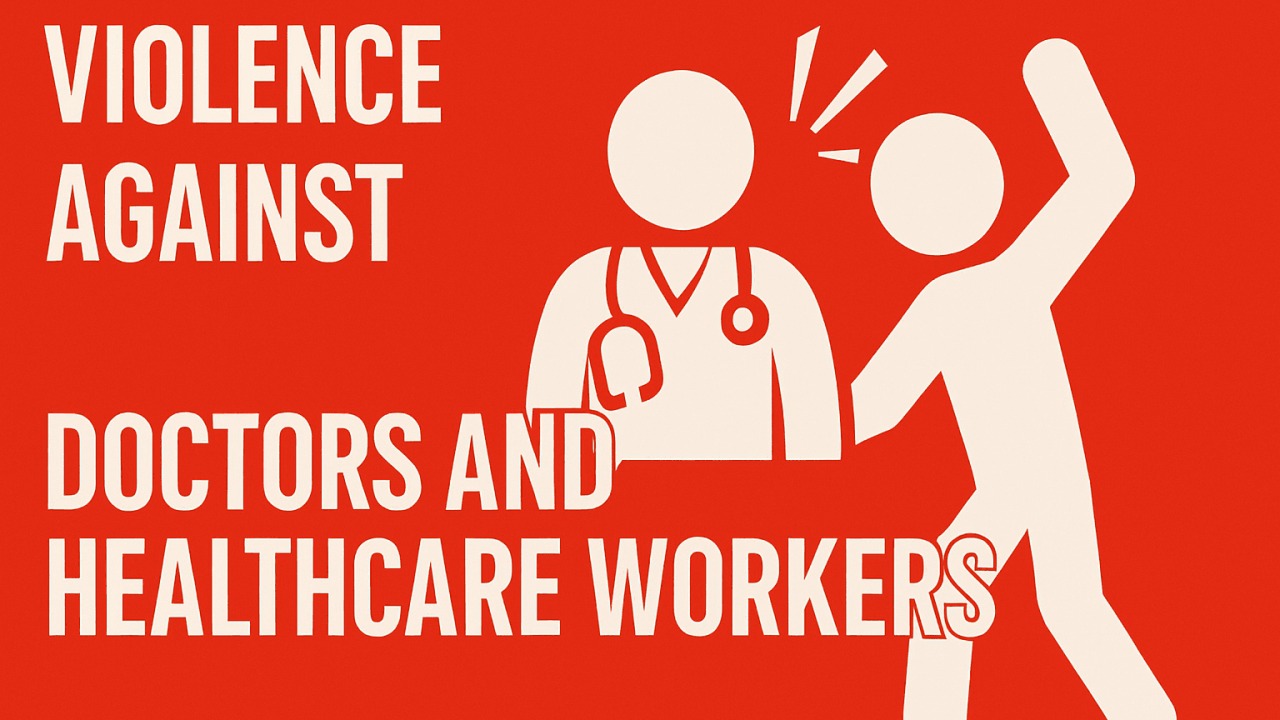
Every attack on a doctor is far more than an assault on an individual, it is an attack on the healthcare system itself. Yet, incidents of verbal abuse, intimidation and physical violence against healthcare professionals continue to rise across India, exposing a dangerous gap between public expectations and the realities of healthcare delivery.
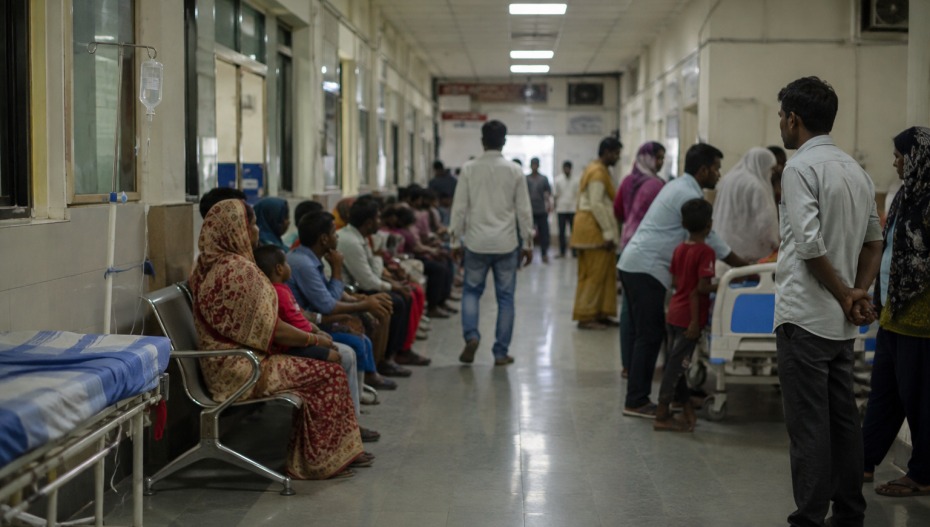
Doctors today work under extraordinary pressure. Overcrowded hospitals, workforce shortages, limited infrastructure and delayed referrals often leave them treating critically ill patients with constrained resources. When outcomes are poor, frustration is increasingly directed at the very professionals trying to save lives rather than at the systemic challenges that contribute to those outcomes.
The problem is neither isolated nor new. The World Health Organization (WHO) estimates that 8% to 38% of healthcare workers experience physical violence during their careers, while verbal abuse and threats are even more widespread. In India, multiple surveys by medical associations suggest that nearly three out of four doctors have faced some form of workplace violence, with emergency departments remaining the most vulnerable.
Violence has consequences that extend well beyond the victim. It erodes trust, lowers staff morale, increases burnout and encourages defensive medicine. Young doctors become reluctant to work in emergency medicine, trauma care and government hospitals specialties and settings where they are needed the most. Ultimately, patients suffer when healthcare professionals are forced to work in fear.
While better communication and patient counselling can help reduce misunderstandings, they cannot be viewed as substitutes for security. Hospitals require stronger surveillance systems, trained security personnel, rapid response protocols and strict enforcement of laws against assaults on healthcare workers. Equally important is a robust grievance redressal mechanism so that patient concerns are addressed through dialogue rather than confrontation.
India has made significant investments in expanding medical colleges, digital health infrastructure and health insurance coverage. Protecting the people who deliver these services must become an equally important national priority. A healthcare system cannot function effectively if its frontline workforce feels unsafe.
Respect for doctors is not about placing them above criticism. Medical negligence, where proven, must be investigated through established legal and professional mechanisms. However, violence can never be an acceptable response to grief, anger or dissatisfaction.
A safe hospital is not only a safer workplace for doctors and nurses it is also a safer place for every patient seeking care. Until the safety of healthcare workers becomes a non negotiable part of health policy, India’s vision of a stronger and more resilient healthcare system will remain incomplete.