
UNICEF and Gavi Secure 40% Price Reduction for Mosquirix Malaria Vaccine
UNICEF and Gavi have agreed to reduce the price of the Mosquirix malaria vaccine by around 40%, a move expected to improve affordability and generate approximately $50 million in savings between 2027 and 2029. UNICEF and

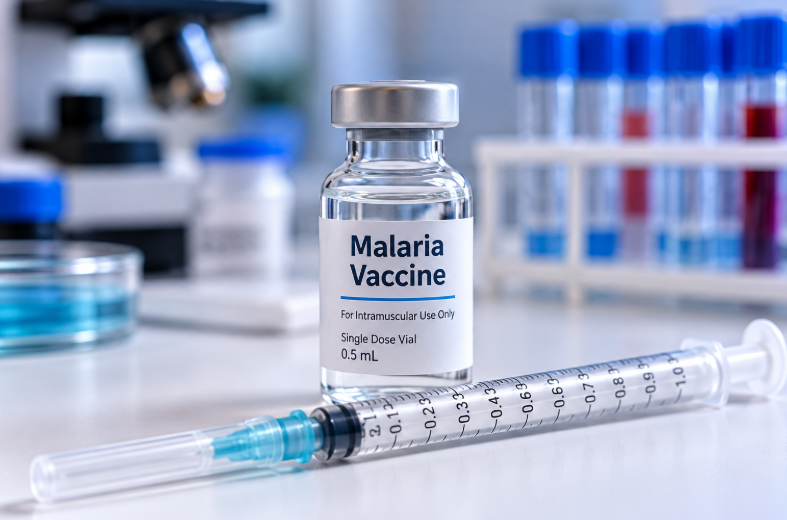
UNICEF and Gavi have agreed to reduce the price of the Mosquirix malaria vaccine by around 40%, a move expected to improve affordability and generate approximately $50 million in savings between 2027 and 2029.
UNICEF and Gavi have announced a new pricing agreement for Mosquirix, also known as RTS,S/AS01, one of the vaccines developed to protect children against malaria. Under the agreement, the price is expected to fall to €5.50 (approximately $6.16) per dose, supporting efforts to expand access to malaria vaccination in affected regions.
The agreement is expected to take effect in early 2027, subject to regulatory approvals and manufacturing requirements. UNICEF will manage procurement under the arrangement, with financial support from Gavi, the Vaccine Alliance.
Bharat Biotech to Support Future Vaccine Supply
Mosquirix was developed by GSK in collaboration with the non-profit organisation PATH. Future supply is expected to involve Bharat Biotech following the planned transfer of vaccine production, helping strengthen manufacturing capacity in developing countries.
Before procurement can begin under the new arrangement, the relevant regulatory and manufacturing milestones must be completed. These include World Health Organization (WHO) prequalification of the new manufacturing facility.
Lower Vaccine Costs Could Support Malaria Prevention
The price reduction is expected to help international immunisation programmes use available funding more efficiently and potentially reach more children in malaria-affected countries. Malaria continues to pose a significant public health challenge, particularly in parts of sub-Saharan Africa, where young children face a higher risk of severe illness.
Separately, GSK and Bharat Biotech have previously outlined plans to bring the vaccine’s price below $5 per dose by 2028. UNICEF and Gavi have also announced a price reduction for another malaria vaccine manufactured by the Serum Institute of India.
The latest agreement represents another step towards making malaria vaccines more affordable. Its impact will depend on the completion of manufacturing and regulatory requirements, as well as the continued availability and delivery of vaccine doses to eligible populations.