
A Life Defined by Compassion, Commitment and the Calling to Heal- Dr Priyamvada Bhasin, Medical Director of Ratan Jyoti Netralaya, Gwalior
Where some are famous because of their professional success, others earn fame for the impact they create on the lives of others. The story of Dr Priyamvada Bhasin is one such example, which has a

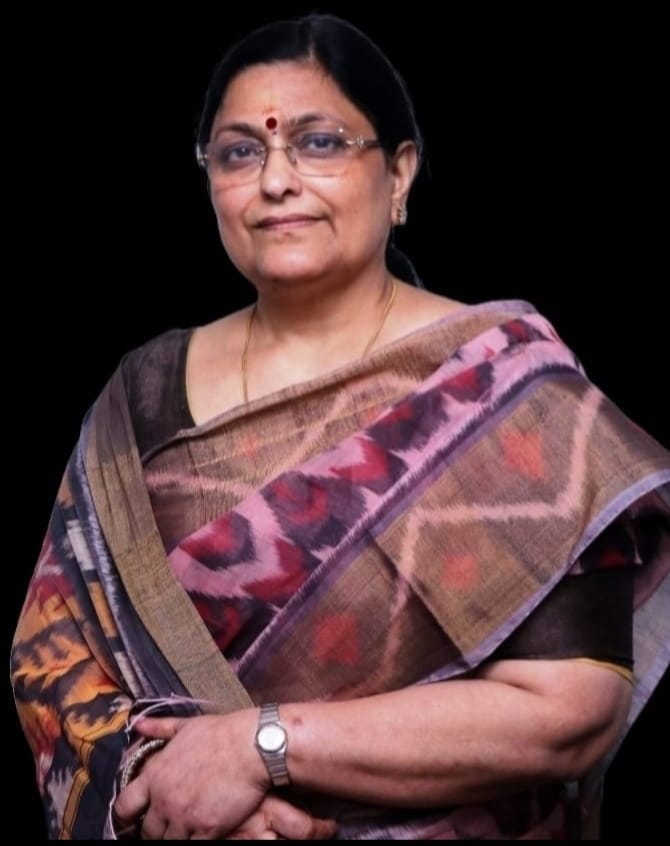
Where some are famous because of their professional success, others earn fame for the impact they create on the lives of others. The story of Dr Priyamvada Bhasin is one such example, which has a perfect blend of both. Being the Medical Director of Ratan Jyoti Netralaya, Gwalior, she has constructed her career path on one basic premise, namely, that medicine should not just be restricted to treatment but should aim at enhancing the quality of life of humans. In her opinion, ophthalmology is not just about saving vision but safeguarding independence, dignity, and experiencing the world around us.
Foundations of the Medical Profession
Dr. Bhasin graduated with her MBBS from Gajra Raja Medical College, Gwalior, in 1989, and an MS in Ophthalmology in 1993. She went on to augment her knowledge base with specialized training at Aravind Eye Hospital, Madurai. The field of ophthalmology is especially important due to the impact of vision on every area of life including work, education, movement and independence. Vision impairment may have consequences that go beyond just the person themselves but also involve the whole family and livelihood of the person in question. Among her special interests there are retinal and vitreous surgery as these fields require timely diagnoses and proper treatment to protect one’s vision. However, she understands that quality healthcare also requires awareness and communication between doctor and patient.
Creating an Institution Based on Trust
April 21, 1996 was a significant date in Dr. Bhasin’s life because on this day Ratan Jyoti Netralaya was opened. Together with Dr. Purendra Bhasin, she joined the project that intended to bring modern medical ophthalmology closer to the people of Gwalior and its vicinity. Creating an institution of trustworthy healthcare needs much more than advanced facilities and equipment. It needs ethics and consistency in clinical practices, transparency and focus on patient needs. As the field of medicine develops new technologies and approaches, sustaining such standards demands ongoing learning and dedication. For Dr. Bhasin, good healthcare is not just about the treatment but also about listening to and educating the patient through the entire medical experience.
Going Beyond Hospitals for Eye Care
The field of healthcare transcends the hospital walls, especially when people cannot seek treatment owing to economic difficulties, geographical constraints and lack of awareness. With the introduction of various social services through Ratan Jyoti Charitable Foundation, the approach to reach out to those people who do not have access to eye care awareness, eye examinations, and treatment has become the objective of these efforts. The significance of such work lies in the fact that it is even more required in rural areas and economically underprivileged regions where eye problems go unnoticed until they start interfering with daily life.
In Dr. Bhasin’s opinion, access to medical care and health is inherently tied to human dignity, as every human being has the right to receive adequate treatment no matter who they are. Making sure that disadvantaged communities can have access to medical care is not only the social aspect of medicine, but it is also about helping people outside the clinic.
Leadership Through Collective Excellence
The duties of the Medical Director are not limited to direct patient treatment; they also include management of the systems and teams that help doctors provide efficient care to patients. Good medical leadership includes setting standards, fostering teamwork and making sure that values of the organization manifest themselves in practice. It also includes accountability, good decision-making and consideration for patients and their families. This story shows how the role of women in medical leadership is increasingly gaining importance. Women continue to play an important role in the development of healthcare organizations, healthcare practices and patient-centred approaches to treatment. The involvement of women is crucial for creating healthcare systems that are open and accessible.
Dr. Bhasin believes that the future of healthcare involves merging scientific advances with accessibility and empathy. Science can play an important role in helping with diagnosis and treatment but patients also need to be reassured, understand things, and believe in the people treating them.
A Service-Driven Legacy
The true testament of a career in medicine is usually found in those instances which rarely get media coverage – a person being able to lead a normal life again, a family finally relieved after their loved one has been treated, or someone who finally gets care after many years of struggle. Dr. Bhasin has been molded into the person he is today through the efforts of Dr. Purendra Bhasin, other doctors, his co-workers and the entire institutional community. After all, her career path represents a better comprehension of success. Knowledge will have purpose once it helps others live better; leadership will be important once it brings about trust; and service will be everlasting if it contributes to helping people live healthier and more respectful lives.
Dr. Priyamvada Bhasin recognizes the value of sight not only from a purely medical point of view, but also as something that belongs to all of humanity. Her career encompasses not only the accuracy of medical science but also the principles of compassionate leadership.