

BD Launches UltraCor Twirl Breast Tissue Markers in India to Support Breast Cancer Care
Medical technology company BD (Becton, Dickinson and Company) has introduced its UltraCor Twirl Breast Tissue Markers in India, expanding the range of technologies available to support breast lesion localisation, imaging follow-up and surgical treatment planning. Breast

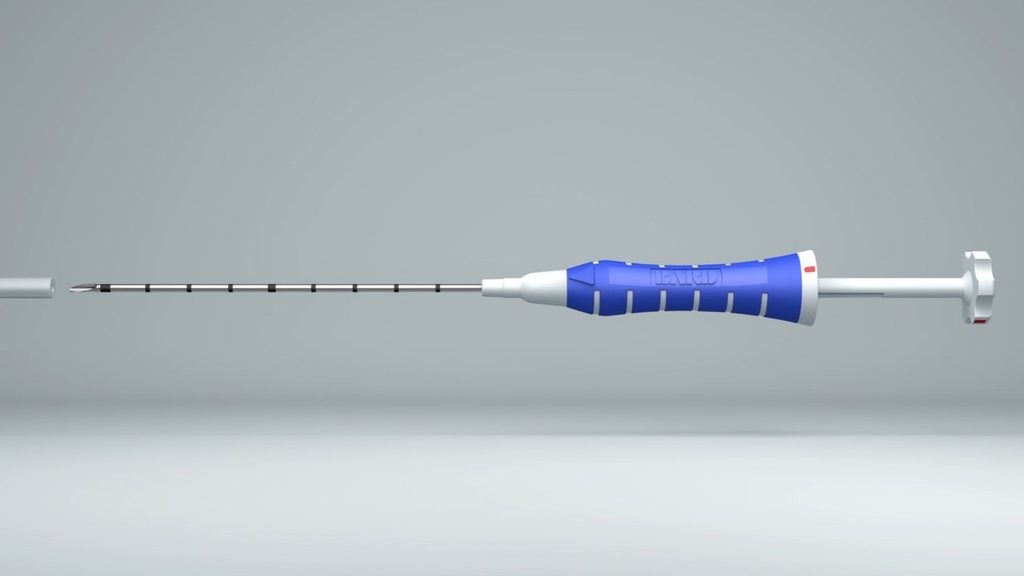
Medical technology company BD (Becton, Dickinson and Company) has introduced its UltraCor Twirl Breast Tissue Markers in India, expanding the range of technologies available to support breast lesion localisation, imaging follow-up and surgical treatment planning.
Breast tissue markers are small devices placed in breast tissue during or after a biopsy to identify the location of a suspicious lesion. They help clinicians locate the biopsy site during subsequent imaging, surgery or treatment, particularly when the lesion becomes difficult to identify after the initial procedure.
According to BD, the UltraCor Twirl markers are designed to provide precise placement, improved stability and reduced risk of migration from the intended location. The markers are visible through ultrasound, mammography and magnetic resonance imaging (MRI), enabling clinicians to identify the marked site using different imaging modalities.
The product uses three-dimensional marker designs intended to improve ultrasound visibility without relying on polymers or gels. The marker family includes Curls, Ring and Clover shapes, offering different marking options for breast tissue and axillary lymph nodes. The devices are made from nitinol, a nickel-titanium alloy, and are designed to incorporate into tissue following deployment to help maintain placement.
Accurate marking can be particularly important for patients undergoing neoadjuvant therapy, in which treatment is administered before surgery. During these treatment pathways, repeated imaging may be needed to monitor how a lesion responds to therapy. A marker can help clinicians relocate the original biopsy site even when treatment reduces the lesion’s visibility.
BD said the technology is intended to support clinical decision-making throughout the patient journey, including treatment monitoring, surgical localisation and follow-up surveillance.
The introduction comes as breast cancer care increasingly relies on coordinated diagnostic imaging, pathology, oncology and surgical services. Technologies that support accurate localisation can help clinicians identify the relevant tissue site during subsequent procedures. However, the marker itself does not diagnose cancer or treat the disease; its role is to mark the location of the biopsy site.
The product’s clinical value will depend on appropriate patient selection, accurate deployment and integration into established breast imaging and treatment workflows. BD advises healthcare professionals to follow the product’s indications, instructions for use and safety precautions.