
Serum Institute’s Cervavac Receives WHO Prequalification, Opens Door to Global Vaccine Procurement
Serum Institute of India’s Cervavac has received World Health Organization (WHO) prequalification, an important development for India’s efforts to expand access to human papillomavirus (HPV) vaccination. The recognition makes the vaccine eligible for procurement by

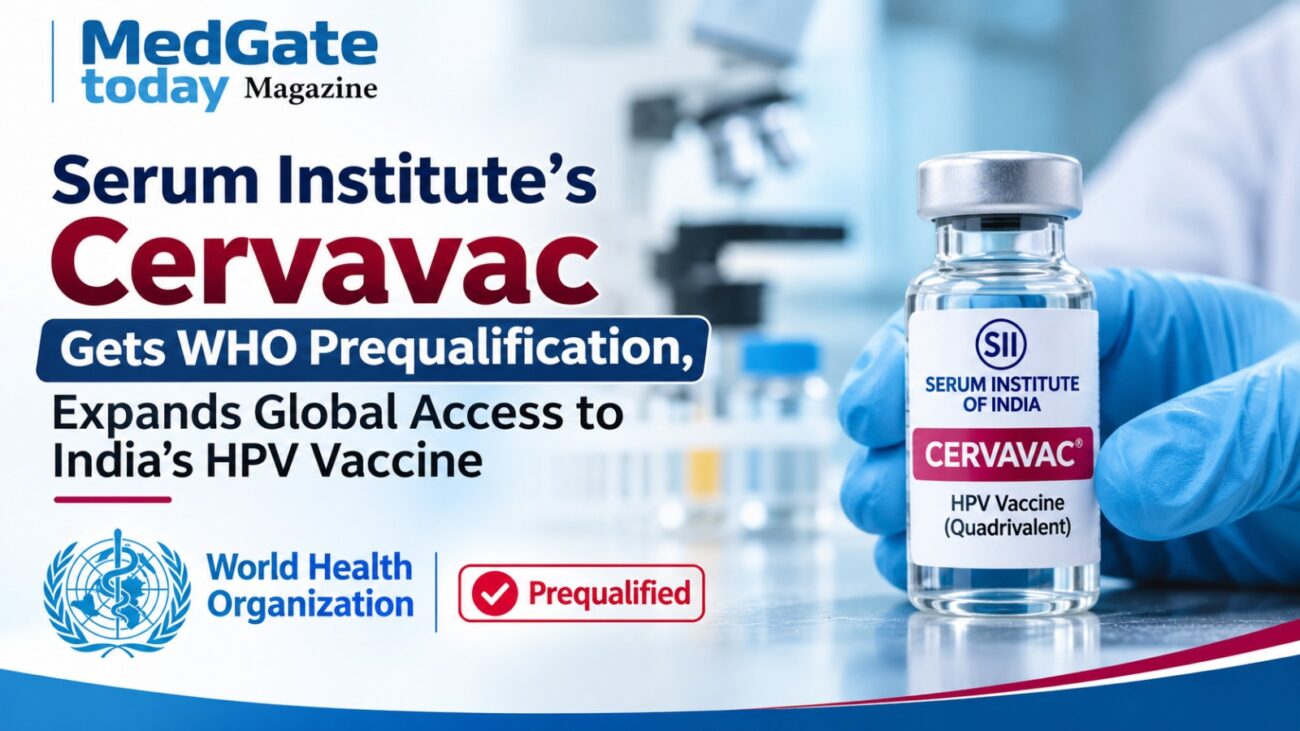
Serum Institute of India’s Cervavac has received World Health Organization (WHO) prequalification, an important development for India’s efforts to expand access to human papillomavirus (HPV) vaccination. The recognition makes the vaccine eligible for procurement by United Nations agencies, subject to their purchasing processes.
The WHO prequalified Cervavac on 25 September 2026, with the Serum Institute announcing the development on 5 October. The company described it as its 32nd vaccine to receive WHO prequalification. The milestone places an indigenously developed Indian HPV vaccine within the international procurement framework and could support wider access in eligible markets.
What Is Cervavac and Who Is It Intended For?
Developed by Serum Institute of India, Cervavac is a quadrivalent HPV vaccine designed to protect against four HPV types: 6, 11, 16 and 18. HPV is a common virus, and persistent infection with certain high-risk types can lead to cervical cancer. Types 16 and 18 are responsible for a substantial share of cervical cancer cases worldwide, while types 6 and 11 are commonly associated with genital warts.
According to the company’s announcement, Cervavac is indicated for girls and boys aged 9 to 26 years. HPV vaccination is a preventive measure; it does not treat an existing HPV infection or cervical cancer. Vaccination decisions and schedules should be discussed with a qualified healthcare professional in line with national recommendations.
Research Partnerships Behind the Vaccine
The vaccine’s development involved collaboration between Serum Institute and Indian and international partners. These included the Department of Biotechnology (DBT), Biotechnology Industry Research Assistance Council (BIRAC), the Bill & Melinda Gates Foundation and the International Agency for Research on Cancer (IARC), the cancer research agency of the WHO.
The collaboration highlights how public-sector research support, biotechnology development and manufacturing expertise can contribute to vaccine innovation. It also reflects the role of partnerships in strengthening domestic vaccine capabilities while aligning products with global quality, safety and efficacy requirements.
Why WHO Prequalification Matters
WHO prequalification is an assessment process that evaluates vaccines against defined standards, including quality, safety and efficacy. It helps UN agencies make informed procurement decisions and can support access to vaccines in countries and programmes that rely on international purchasing.
Cervavac’s prequalification is therefore a significant step for India’s vaccine manufacturing ecosystem. It does not automatically mean that UN agencies have placed orders, but it makes the vaccine eligible for consideration in their procurement programmes.
.
By MedGate Bureau
Best Healthcare Magazine in India