

AHPI Opposes Uniform 16% Margin on Hospital Medicines, Calls for Evidence-Based Drug Pricing
The Association of Healthcare Providers of India (AHPI) has called for a balanced, evidence-based approach to pricing medicines and medical consumables in hospitals, opposing the proposed application of a uniform 16% margin across all products.

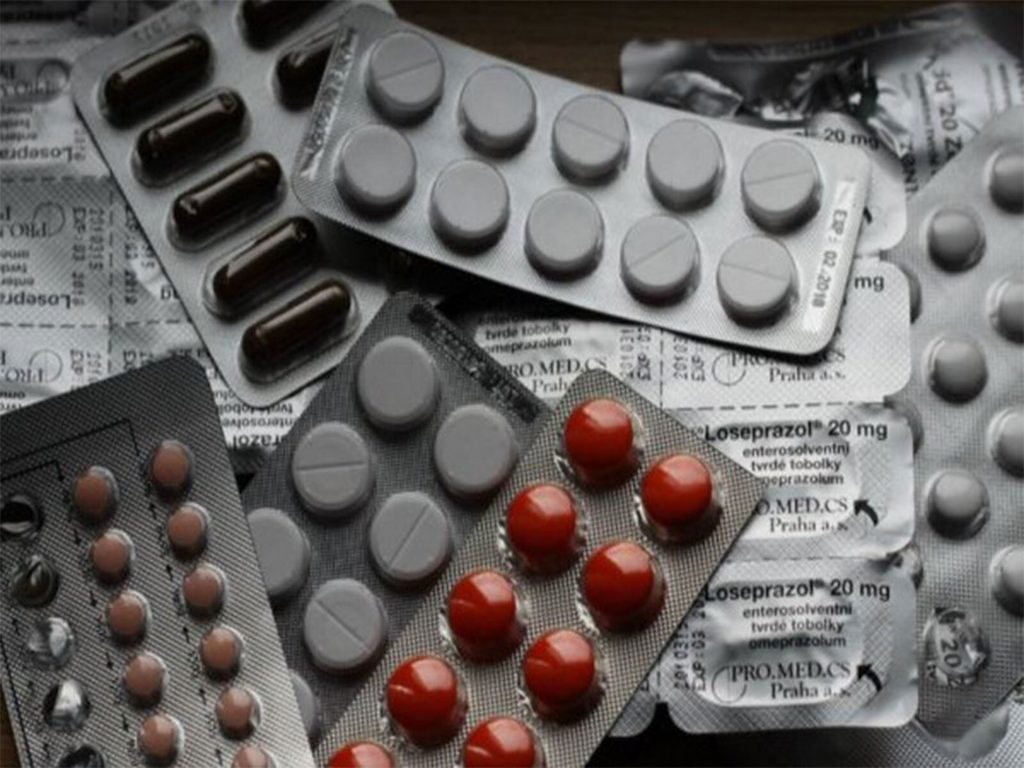
The Association of Healthcare Providers of India (AHPI) has called for a balanced, evidence-based approach to pricing medicines and medical consumables in hospitals, opposing the proposed application of a uniform 16% margin across all products. The hospital industry body said pricing policies should account for differences in product complexity, storage requirements, supply-chain costs and the responsibilities hospitals undertake to ensure patient safety and quality of care.
AHPI Director General Dr Girdhar Gyani said medicines and consumables are only one component of comprehensive healthcare delivery. Hospitals also incur substantial expenses related to clinical services, diagnostics, specialised infrastructure, trained personnel, emergency inventory, sterilisation, traceability and regulatory compliance. According to the association, treating hospitals merely as resellers of medicines and medical devices overlooks these operational responsibilities and the costs associated with delivering them safely to patients.
The debate follows recent scrutiny of significant differences between procurement prices and maximum retail prices (MRPs) of hospital consumables. A Maharashtra Food and Drug Administration survey cited an intravenous infusion set with a trade price of ₹11.05 and a printed MRP of ₹325, representing a markup of approximately 2,841%. A syringe purchased at ₹6.75 reportedly carried an MRP of ₹57.20, while a catheter procured at ₹29.41 had an MRP of ₹310. These findings have prompted calls for greater pricing transparency and a review of permissible margins.
AHPI acknowledged that exceptionally high markups on routine, standardised consumables warrant scrutiny. However, it argued that sophisticated medical technologies and specialised products require separate assessment because hospitals may need to maintain different configurations, specialised equipment, trained teams and emergency stocks. The association has advocated an activity-based pricing framework that considers the actual costs involved in making products available at the point of care.
Under the existing Drug Price Control Order framework, the 16% retailer margin provision applies to scheduled medicines in the context of regulated pricing; it does not currently establish a universal margin for every medicine or hospital consumable. AHPI has emphasised that affordability and transparency should remain central to any reform, while ensuring that pricing measures do not compromise patient safety, clinical outcomes or access to specialised treatment.