
Antimicrobial Resistance in India: The Growing Challenge for the Pharmaceutical Industry
Antibiotics have transformed modern medicine, making it possible to treat bacterial infections that were once life-threatening. From routine infections to complicated surgeries, cancer treatments and intensive care, antibiotics play an essential role in protecting patients.

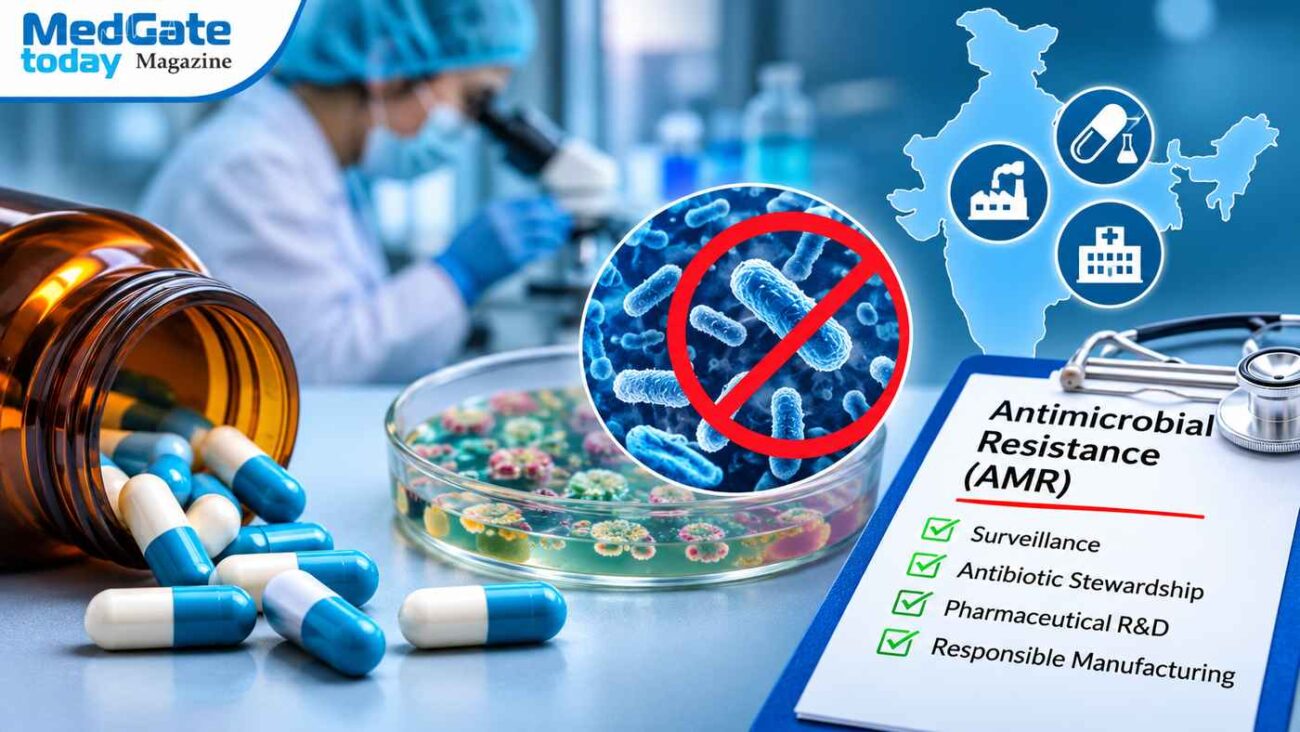
Antibiotics have transformed modern medicine, making it possible to treat bacterial infections that were once life-threatening. From routine infections to complicated surgeries, cancer treatments and intensive care, antibiotics play an essential role in protecting patients. However, the growing problem of antimicrobial resistance (AMR) is threatening these medical achievements. In India, the challenge is becoming increasingly important for healthcare providers, pharmaceutical companies, policymakers and researchers.
Antimicrobial Resistance in India is not just a public health concern. It is also a major challenge for the pharmaceutical industry, which must develop effective medicines while addressing scientific, commercial and regulatory barriers. As bacteria become resistant to commonly used antibiotics, healthcare professionals are facing fewer reliable treatment options.
India’s large population, high infectious disease burden, extensive antibiotic consumption and diverse healthcare infrastructure make the issue particularly complex. Addressing this challenge will require stronger pharmaceutical research, responsible antibiotic use, improved diagnostics and coordinated action across the healthcare ecosystem.
Understanding Antimicrobial Resistance in India
Antimicrobial resistance occurs when microorganisms such as bacteria, viruses, fungi and parasites develop the ability to survive medicines designed to eliminate them. Antibiotic resistance is a major part of this wider problem and specifically refers to bacteria becoming resistant to antibiotics.
For example, an antibiotic that previously treated a bacterial infection successfully may become ineffective when the bacteria develop resistance. As a result, patients may require stronger medicines, longer treatment periods or hospitalisation.
Antimicrobial resistance develops naturally over time, but inappropriate antimicrobial use accelerates the process. Taking antibiotics without medical advice, using incorrect doses, stopping treatment without consulting a healthcare professional and prescribing antibiotics for viral infections can contribute to the problem.
In India, the situation is further complicated by differences in healthcare access, infection prevention practices, diagnostic facilities and antibiotic prescribing patterns.
The challenge is not limited to hospitals. Resistant microorganisms can spread through communities, healthcare environments, food systems, animals and the environment.
Why Is Antibiotic Resistance in India a Growing Concern?
India faces several interconnected factors that contribute to antibiotic resistance. Understanding these factors is essential for developing effective solutions.
Inappropriate Antibiotic Consumption
One of the major contributors to antibiotic resistance in India is the inappropriate use of antibiotics. In some situations, patients take antibiotics without proper medical consultation or use leftover medicines from previous prescriptions.
Antibiotics are designed to treat bacterial infections, not viral illnesses such as common colds and most cases of seasonal flu. Their unnecessary use creates additional pressure that encourages resistant bacteria to survive and multiply.
Limited Access to Rapid Diagnostics
Accurate diagnosis is essential for selecting the right antibiotic. However, access to advanced diagnostic facilities remains uneven across healthcare settings.
When laboratory testing is unavailable or delayed, doctors may prescribe broad-spectrum antibiotics based on symptoms rather than confirmed bacterial infections.
Improving access to rapid diagnostic tests and antimicrobial susceptibility testing can help healthcare professionals make more informed treatment decisions.
Hospital-Acquired Infections
Healthcare-associated infections are another important concern. Patients admitted to hospitals, particularly those in intensive care units, may be vulnerable to infections caused by resistant microorganisms.
Inadequate infection prevention, poor hand hygiene, insufficient isolation facilities and inappropriate antibiotic use can increase the risk of transmission.
Hospitals need stronger infection control programmes, continuous monitoring and effective antimicrobial stewardship practices.
Antibiotic Use in Agriculture and Animal Health
Antibiotics are also used in animal healthcare and certain agricultural practices. Their inappropriate use can contribute to the development and spread of resistant microorganisms.
A One Health approach is therefore important. It recognises the connection between human health, animal health and the environment.
The Impact of AMR in India on the Pharmaceutical Industry
The pharmaceutical industry has a central role in addressing antimicrobial resistance. Companies are responsible not only for manufacturing quality medicines but also for supporting research, innovation and responsible antibiotic distribution.
Challenges in Antibiotic Development
Developing new antibiotics is scientifically demanding. Researchers must identify effective compounds, evaluate their safety, conduct clinical trials and demonstrate that new medicines can treat resistant infections.
However, antibiotic development presents a difficult commercial challenge. New antibiotics are often intended to be used carefully and reserved for serious infections. This responsible approach can limit sales volumes, making it difficult for pharmaceutical companies to recover research and development investments.
As a result, pharmaceutical R&D needs stronger financial support, research partnerships and innovative business models.
Pharmaceutical R&D and Innovation
Investment in pharmaceutical R&D is essential for discovering new antibiotics and improving existing treatments.
Indian pharmaceutical companies, biotechnology firms, academic institutions and research organisations can contribute through collaborative research programmes.
Important areas of innovation include:
- Development of antibiotics targeting drug-resistant bacteria.
- Research into new antimicrobial compounds.
- Combination therapies that improve treatment effectiveness.
- Bacteriophage-based treatments and other alternative approaches.
- Rapid diagnostic technologies to identify resistant infections.
- Research into vaccines that can prevent bacterial infections.
India has the scientific and manufacturing capabilities to become an important contributor to global antimicrobial research. However, sustained investment and stronger collaboration will be necessary to achieve meaningful progress.
Antibiotic Manufacturing and Quality Standards
India is a major global pharmaceutical manufacturing hub, supplying medicines to domestic and international markets. This makes antibiotic manufacturing an important part of the country’s response to AMR.
Manufacturers must maintain strict quality standards throughout production, storage and distribution. Inconsistent medicine quality, inappropriate use and gaps in supply chain oversight can undermine efforts to control resistance.
Environmental management is another important consideration. Pharmaceutical manufacturing wastewater must be properly treated to prevent the release of antimicrobial residues into the environment.
Responsible manufacturing practices, effective waste management and regulatory compliance can help reduce the environmental contribution to antimicrobial resistance.
Antimicrobial Stewardship: A Critical Step Towards Controlling AMR
Antimicrobial stewardship refers to coordinated efforts to ensure that antimicrobial medicines are prescribed and used appropriately.
The objective is simple: give patients the right medicine, at the right dose, through the right route and for the appropriate duration.
Hospitals can establish antimicrobial stewardship programmes involving doctors, microbiologists, pharmacists, infection control specialists and hospital administrators.
These programmes can improve antibiotic selection, reduce unnecessary prescriptions and encourage regular monitoring of treatment outcomes.
For pharmaceutical companies, antimicrobial stewardship also creates an opportunity to support responsible medicine use through scientific education, appropriate product information and collaboration with healthcare professionals.
Public awareness is equally important. Patients should understand that antibiotics are not effective against every infection and should never use prescription antibiotics without appropriate medical guidance.
India’s Policy Framework and Efforts to Combat AMR
India has recognised antimicrobial resistance as an important public health priority. The National Action Plan on Antimicrobial Resistance (NAP-AMR) provides a framework for coordinated action across human health, animal health, agriculture and environmental sectors.
The plan focuses on areas such as awareness, surveillance, infection prevention, antimicrobial stewardship, research and strengthening regulatory systems.
The Indian Council of Medical Research (ICMR) also supports antimicrobial resistance surveillance through its Antimicrobial Resistance Surveillance and Research Network. Such surveillance helps researchers and healthcare professionals understand resistance patterns and monitor changes in bacterial susceptibility.
The Central Drugs Standard Control Organisation (CDSCO) and other regulatory authorities also have an important role in ensuring the quality, safety and appropriate regulation of medicines.
However, successful implementation requires consistent coordination between central and state governments, hospitals, pharmaceutical manufacturers, research institutions and healthcare professionals.
What Should the Pharmaceutical Industry Do Next?
The pharmaceutical sector must take a proactive approach rather than treating antimicrobial resistance as a challenge limited to hospitals and government agencies.
First, companies should increase investment in antibiotic research and development. Collaboration with universities, biotechnology companies and research institutions can help reduce development barriers and encourage scientific innovation.
Second, manufacturers should strengthen quality assurance and environmental management systems. Responsible antibiotic manufacturing is essential for protecting both patients and the environment.
Third, pharmaceutical companies should support antimicrobial stewardship through evidence-based education and responsible marketing practices.
Finally, the industry should explore innovative business models that make antibiotic development financially sustainable while ensuring that new medicines are used responsibly.
Public-private partnerships, research funding and international collaboration can also help accelerate progress.
The Road Ahead: Is India Prepared for the Growing AMR Threat?
India has important advantages in addressing antimicrobial resistance, including a strong pharmaceutical manufacturing base, a growing biotechnology sector, established medical research institutions and an expanding healthcare infrastructure.
However, preparedness requires more than the ability to manufacture medicines. The country must also improve infection prevention, strengthen diagnostic capacity, expand resistance surveillance and encourage responsible antibiotic consumption.
The pharmaceutical industry will be particularly important in this transition. Investment in antibiotic development, improved manufacturing standards and stronger research partnerships can help India respond to the growing threat.
Antimicrobial resistance is a long-term challenge that cannot be solved by a single organisation or sector. Governments, pharmaceutical companies, healthcare professionals, researchers and the public must work together.
The future effectiveness of antibiotics will depend on the decisions made today. India’s ability to combine pharmaceutical innovation with responsible antimicrobial use will play a significant role in protecting public health for generations to come.
FAQs
1. What is antimicrobial resistance in India?
Antimicrobial resistance in India refers to the growing ability of microorganisms, particularly bacteria, to survive medicines that were previously effective against them. It makes infections more difficult to treat and increases healthcare risks.
2. What are the main causes of antibiotic resistance in India?
Major contributing factors include inappropriate antibiotic consumption, self-medication, unnecessary prescriptions, inadequate infection prevention, limited diagnostic facilities and inappropriate antibiotic use in animal healthcare.
3. How does antimicrobial resistance affect the pharmaceutical industry?
AMR increases the demand for new antibiotics, advanced diagnostic technologies and innovative treatments. It also creates challenges for pharmaceutical R&D, clinical development, manufacturing quality and commercial sustainability.
4. What is antimicrobial stewardship?
Antimicrobial stewardship is a coordinated approach to ensure antibiotics and other antimicrobial medicines are used appropriately. It helps reduce unnecessary prescriptions, improve patient outcomes and slow the development of resistance.
5. What is India doing to control antimicrobial resistance?
India has introduced the National Action Plan on Antimicrobial Resistance, strengthened surveillance initiatives through ICMR and promoted infection prevention, responsible antibiotic use, research and coordination across human, animal and environmental health sectors.
Conclusion
Antimicrobial resistance in India represents a serious challenge for the country’s healthcare and pharmaceutical ecosystem. Tackling this issue requires responsible antibiotic use, stronger pharmaceutical R&D, improved diagnostic facilities and strict manufacturing quality standards.
The pharmaceutical industry has an opportunity to become a key driver of change by investing in antibiotic development, supporting antimicrobial stewardship and adopting sustainable manufacturing practices.
.
Disclaimer: This article is intended solely for general information and awareness and does not constitute professional advice, recommendation or endorsement; MedGate Today assumes no liability for decisions made based on its contents.