
HCG Manavata’s Dr Raj Nagarkar Shines On The Global Stage At SAGES 2025
Prof Dr Raj Nagarkar, Chief of Surgical Oncology & Robotics at HCG Manavata Cancer Centre (HCGMCC), Nashik, made a remarkable mark at the world’s largest and most esteemed surgical conference — SAGES 2025 (Society of American Gastrointestinal

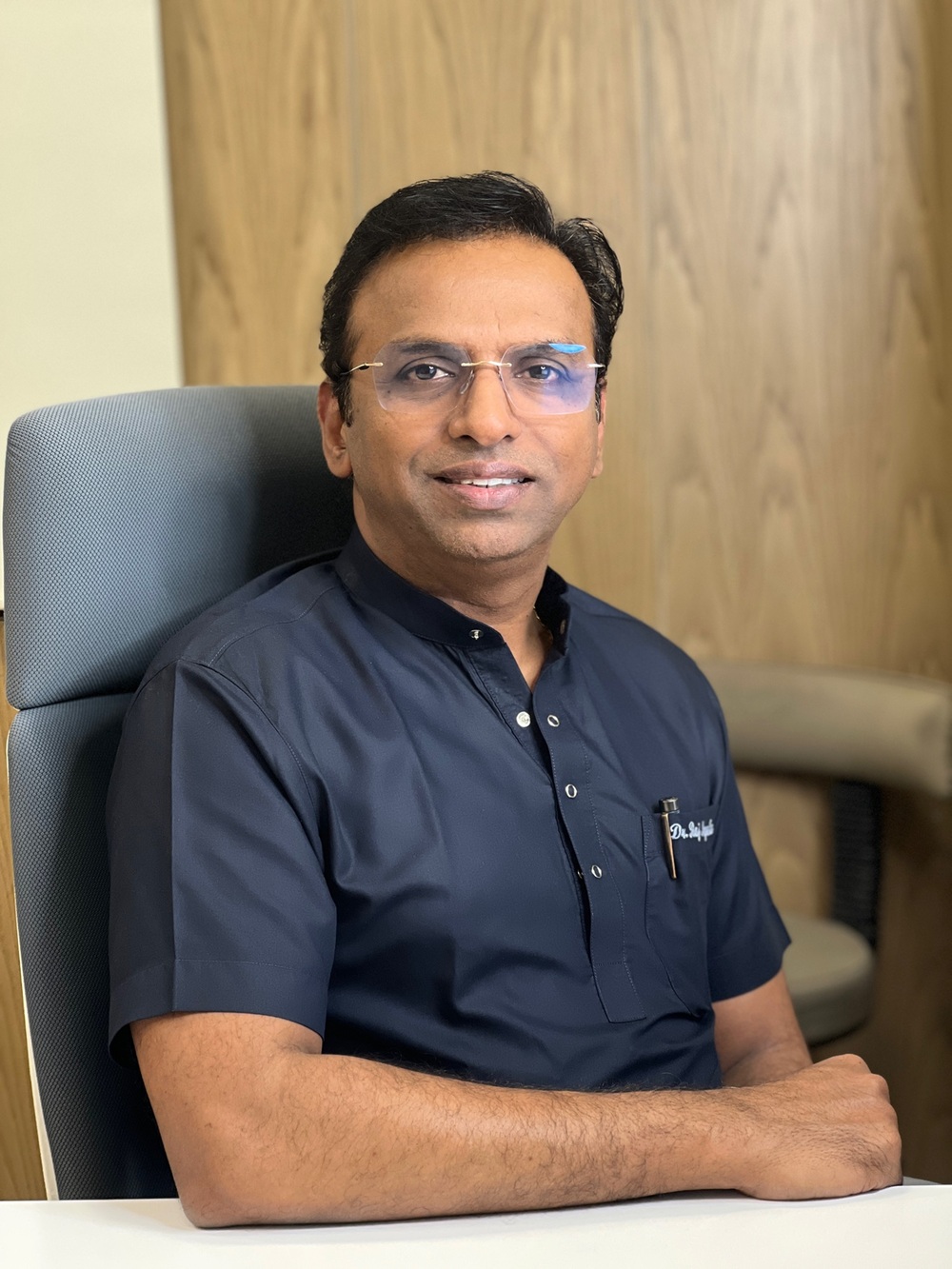

Prof Dr Raj Nagarkar, Chief of Surgical Oncology & Robotics at HCG Manavata Cancer Centre (HCGMCC), Nashik, made a remarkable mark at the world’s largest and most esteemed surgical conference — SAGES 2025 (Society of American Gastrointestinal and Endoscopic Surgeons) — held this year in Long Island, California. Representing India on this globally respected platform, Dr Nagarkar delivered a compelling lecture on robotic lateral pelvic node dissection, a procedure at the cutting edge of oncologic surgery. His in-depth presentation showcased the precision, technique and potential of robotic-assisted interventions in improving surgical outcomes for patients with advanced pelvic malignancies.
“The success of this international presentation reflects the countless hours of dedication by my fellow colleagues and residents. Surgical excellence is never a solo journey — it is always built on the strength of a team,” says Prof Dr Raj Nagarkar, Chief of Surgical Oncology & Robotics and Managing Director of KIMS Manavata Hospitals, HCG Manavata Cancer Centre and Six Sigma, Nashik.
Further elevating India’s presence at SAGES 2025, Dr Nagarkar also presented a high-definition surgical video demonstration on robotic bilateral adrenalectomy, which captivated the audience and drew widespread appreciation from leading surgeons attending the event. The session not only highlighted his surgical expertise but also emphasized the innovation and adaptability of Indian surgeons in adopting state-of-the-art technology to tackle complex clinical scenarios.
“Participating in SAGES and receiving such an overwhelming response is humbling. I hope to continue contributing to the surgical sciences and inspiring the next generation of surgeons in India and beyond,” concludes Dr Nagarkar.