

Heatwaves Demand More Than Just Water: Experts Stress Importance of Electrolytes for Safe Hydration
As heatwave conditions continue to affect several parts of India, healthcare experts are warning that drinking water alone may not be sufficient to prevent dehydration and heat-related illnesses. Doctors say maintaining electrolyte balance is equally

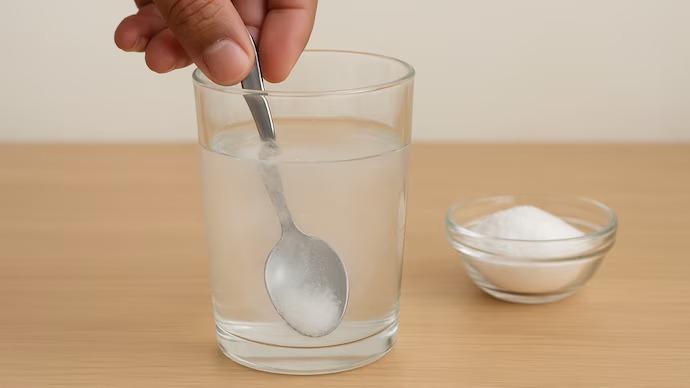
As heatwave conditions continue to affect several parts of India, healthcare experts are warning that drinking water alone may not be sufficient to prevent dehydration and heat-related illnesses. Doctors say maintaining electrolyte balance is equally important, especially during prolonged exposure to extreme temperatures and excessive sweating.
During intense heat, the body loses not only water but also essential electrolytes such as sodium, potassium, chloride, and magnesium through sweat. These minerals play a critical role in regulating hydration, muscle function, nerve activity, blood pressure, and body temperature. When electrolytes are not adequately replenished, individuals may experience symptoms including dizziness, headaches, fatigue, muscle cramps, weakness, and in severe cases, heat exhaustion or heatstroke.
According to the India Meteorological Department (IMD), several regions of northern and central India have witnessed temperatures crossing 45°C during recent heatwave spells, increasing the risk of dehydration and heat stress among vulnerable populations.
Healthcare professionals recommend consuming fluids that help restore both water and electrolytes. Oral Rehydration Solution (ORS), coconut water, buttermilk, lemon water with a pinch of salt, and electrolyte enriched beverages can help maintain the body’s fluid balance more effectively than plain water alone in extreme heat conditions.
Experts also advise people to avoid direct sunlight during peak afternoon hours, wear light colored cotton clothing, eat water rich fruits such as watermelon and cucumber, and stay indoors whenever possible. Special attention should be given to children, elderly individuals, outdoor workers, and people with chronic illnesses, who are more susceptible to heat related complications.
The warning comes amid growing concern over the health impact of rising temperatures. Studies have linked extreme heat exposure to increased hospitalizations, dehydration, kidney stress, cardiovascular complications, and heatstroke related deaths.
Doctors emphasize that recognizing early signs of dehydration and electrolyte imbalance is crucial. Persistent fatigue, confusion, excessive thirst, reduced urination, muscle cramps, and dizziness should not be ignored, particularly during heatwave conditions.
As temperatures continue to rise across the country, public health experts stress that effective hydration means replacing both fluids and essential minerals. Staying hydrated, replenishing electrolytes, and following heat safety precautions remain among the most effective ways to protect health during the summer season.