

New Implantable Artificial Kidney Could Enable Dialysis Without Repeated Needle Pricks
Implantable Artificial Kidney: A Step Toward Dialysis Without Needle Pricks A new generation of implantable Artificial kidney Technology could potentially reduce the need for conventional dialysis sessions and repeated needle pricks for patients with end-stage kidney

Implantable Artificial Kidney: A Step Toward Dialysis Without Needle Pricks
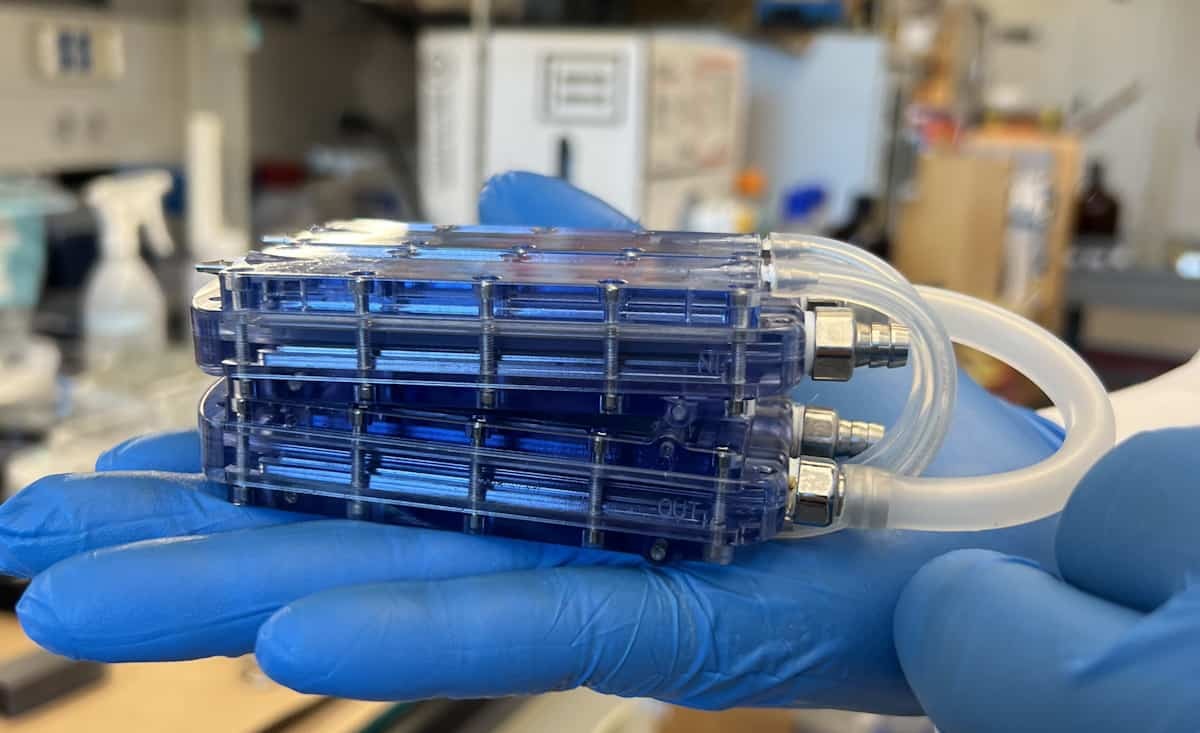
A new generation of implantable Artificial kidney Technology could potentially reduce the need for conventional dialysis sessions and repeated needle pricks for patients with end-stage kidney disease (ESKD), offering a less invasive approach to renal replacement therapy. The development comes as researchers worldwide work on implantable and wearable artificial kidneys designed to continuously filter blood and more closely replicate natural kidney function.
India’s Kidney Disease Burden and the Dialysis Access Gap
India faces a substantial kidney disease burden, with more than 2 lakh new ESKD patients reported every year. However, only around 6–10% of these patients receive dialysis, while approximately 1% undergo kidney transplantation, according to the report. Limited access to dialysis facilities, high treatment costs and the physical burden of repeated hospital visits remain major challenges for patients requiring long-term renal replacement therapy. Learn about Dialysis & Renal Replacement Therapy
How Implantable Artificial Kidneys Work
Unlike conventional haemodialysis, which generally requires vascular access and repeated sessions at a dialysis centre, implantable artificial kidney systems are being developed to provide continuous blood filtration inside the body. One major research approach combines advanced filtration technology with living kidney cells to replicate key functions of the biological kidney. The European Union-backed KIDNEW project, for example, is developing an implantable bioartificial kidney combining sensors, filters and kidney-tubule cell layers as a potential alternative to conventional dialysis.
Wearable Artificial Kidney: A Parallel Path of Innovation
The field is also advancing through wearable technologies. A 2026 Nature Chemical Engineering study reported a dialysate-free wearable artificial kidney prototype that uses a vapour-driven water-removal process and adsorption to eliminate water and uremic toxins. In rabbit studies, the system achieved a water-clearance flux of approximately 7 ml/min/m² and successfully removed water, creatinine and β2-microglobulin. The prototype weighed less than 3.8 kg.
Important Caveat: Not Yet a Routine Clinical Option
Researchers caution that implantable artificial kidneys remain an emerging technology and are not yet a routine replacement for approved dialysis or kidney transplantation. Significant challenges, including long-term biocompatibility, reliable filtration, blood-flow management, device durability, infection prevention and regulatory approval, still need to be addressed before widespread clinical use.
What This Could Mean for the Future of Kidney Care
The development nevertheless represents an important direction in kidney-care innovation. With the global demand for kidney replacement therapy projected to reach 14.5 million people by 2030, advances in implantable and wearable artificial kidneys could eventually offer patients greater mobility, fewer hospital visits and more continuous renal support. Visit Nephrology Department