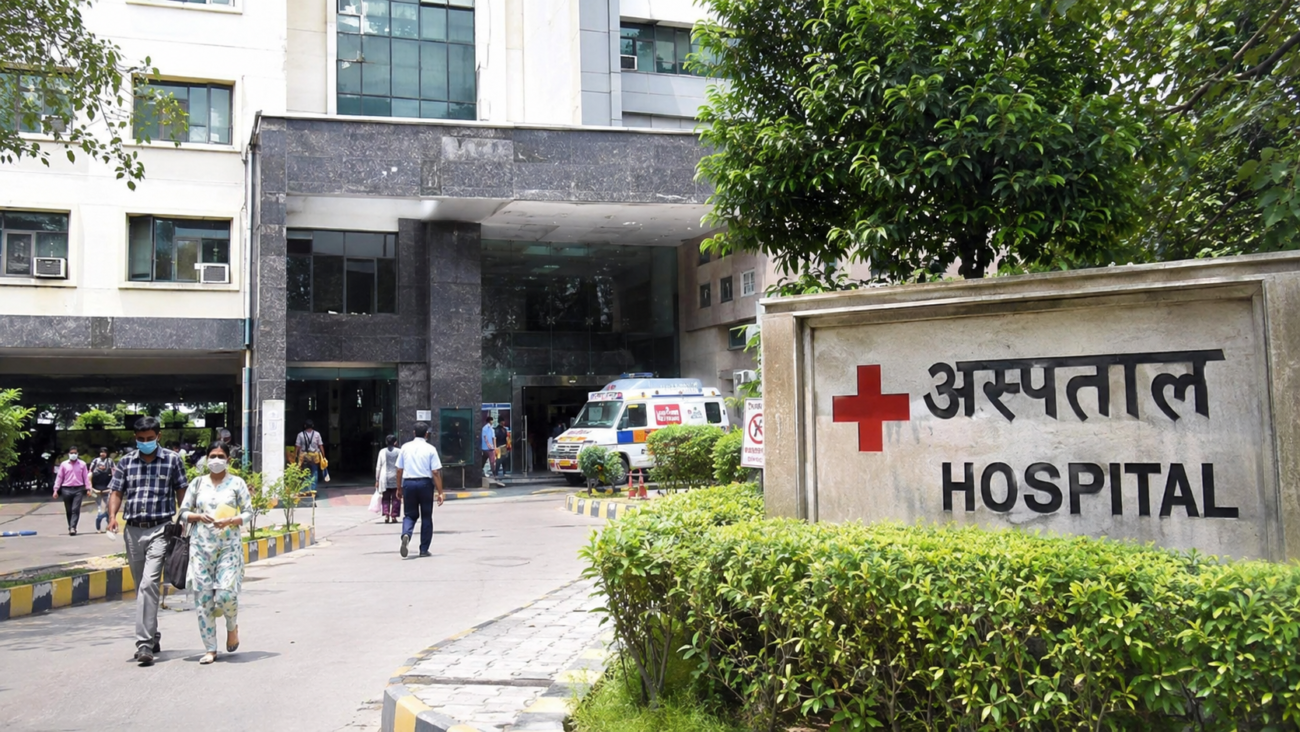

India Revises Medical Device PLI Scheme to Boost Local Manufacturing and Reduce Import Dependence
The revised framework expands incentives to component manufacturers and MSMEs, with differentiated support for critical components, high-end equipment and medical devices assembled in India. India is looking to strengthen its domestic medical technology ecosystem through changes

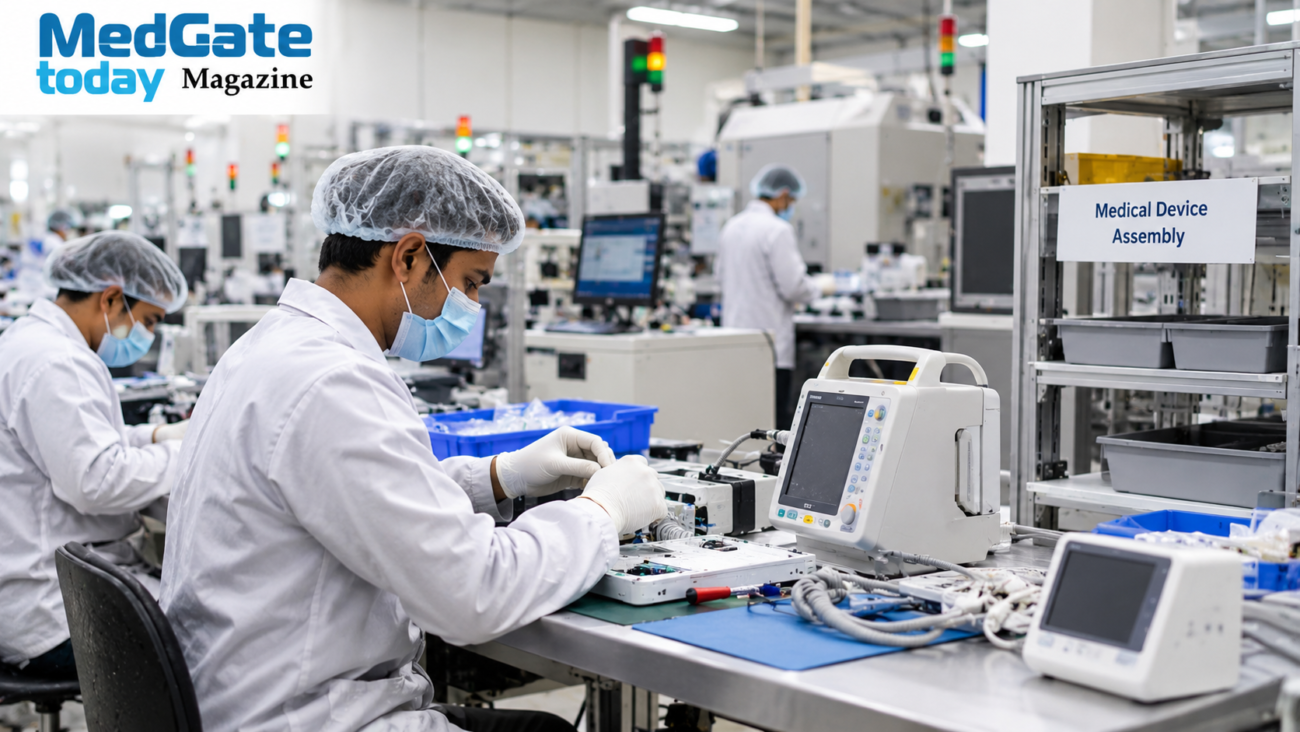
The revised framework expands incentives to component manufacturers and MSMEs, with differentiated support for critical components, high-end equipment and medical devices assembled in India.
India is looking to strengthen its domestic medical technology ecosystem through changes to the Production Linked Incentive (PLI) scheme for medical devices. The revised framework aims to encourage local manufacturing, attract component suppliers and reduce the country’s dependence on imported medical technology.
The Department of Pharmaceuticals has revised the scheme’s eligibility conditions and manufacturing categories, widening the scope of financial incentives beyond finished medical devices. The changes are expected to create opportunities for micro, small and medium enterprises (MSMEs), component manufacturers and companies looking to expand their manufacturing operations in India.
Revised PLI Scheme Focuses on Four Manufacturing Categories
A key feature of the updated medical device PLI scheme is the restructuring of its four target segments. Instead of focusing primarily on broad therapeutic or product categories, the revised classification places greater emphasis on different stages of the manufacturing supply chain.
The four segments cover medical consumables and disposables, critical components, high-end medical devices where domestic manufacturing capabilities are still developing, and advanced equipment assembled within India.
This approach is intended to address gaps in domestic manufacturing and encourage investment in areas where imported components and technologies continue to play an important role.
Higher Incentives for Critical Components and Advanced Equipment
The revised incentive structure introduces differentiated support for manufacturing segments. According to the reported framework, average incentive rates are around 2% for TS1, 9% for TS2 and TS3, and 6% for TS4.
The higher incentive rates for critical components and high-end medical devices are designed to encourage domestic value addition. This could also attract specialised overseas suppliers of raw materials and components to establish manufacturing operations in India.
The inclusion of equipment such as computed tomography (CT) scanners and magnetic resonance imaging (MRI) machines further expands the scheme’s manufacturing focus.
Investment Requirements Under the Revised Framework
The updated guidelines also introduce investment conditions based on company turnover.
Companies with an average turnover below Rs 150 crore over the previous three years must meet a minimum investment requirement of Rs 50 crore under TS1, TS3 and TS4. Companies exceeding the specified turnover threshold are not subject to a minimum investment requirement under these segments.
These provisions are expected to make participation more accessible to established manufacturers while encouraging smaller businesses to strengthen their production capabilities.
Can the Changes Strengthen India’s Medical Device Industry?
India’s medical device sector continues to face challenges related to imported components, specialised manufacturing technologies and domestic production capacity.
By extending incentives to component suppliers and manufacturers of advanced equipment, the revised PLI scheme could support a more integrated manufacturing ecosystem.
Greater domestic production may also improve supply chain resilience, create investment opportunities and reduce import dependence over time. However, the long-term impact will depend on manufacturing capacity, technology development, product quality and the ability of Indian companies to compete in global markets.
.
Disclaimer: This article is intended solely for general information and awareness and does not constitute professional advice, recommendation or endorsement; MedGate Today assumes no liability for decisions made based on its contents.