
Air Pollution and Public Health in India: Delhi Faces a Growing Healthcare Crisis
Healthcare News Delhi's air pollution crisis has moved far beyond an environmental concern. It is increasingly becoming a major public health challenge, placing additional pressure on hospitals, healthcare professionals and families across the National Capital Region.

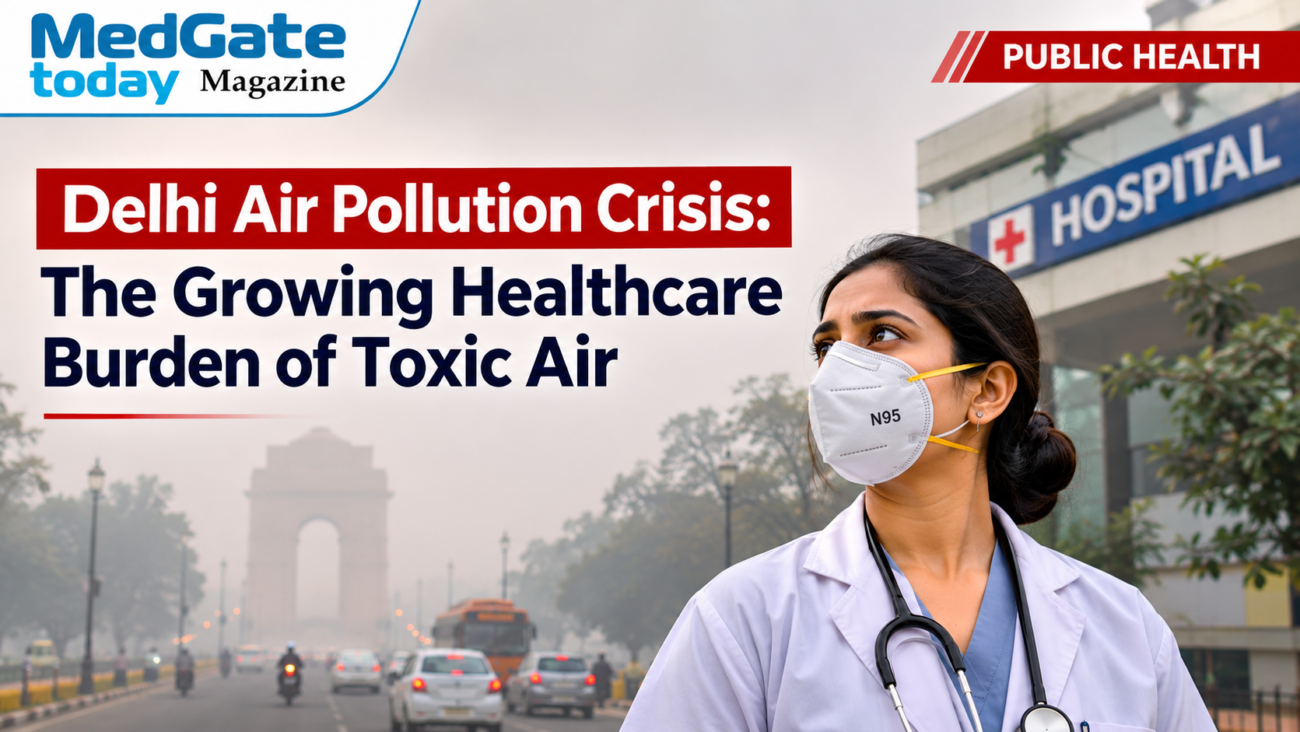
Delhi’s air pollution crisis has moved far beyond an environmental concern. It is increasingly becoming a major public health challenge, placing additional pressure on hospitals, healthcare professionals and families across the National Capital Region. With the Air Quality Index (AQI) crossing 400 and entering the severe category, concerns are growing over the immediate and long-term health consequences of prolonged exposure to toxic air.
For thousands of residents, particularly children, older adults and people living with existing medical conditions, breathing outdoor air has become a daily health concern. Hospitals are reporting increased respiratory complaints, while patients with asthma, chronic obstructive pulmonary disease (COPD) and other breathing-related conditions face difficulties as pollution levels continue to deteriorate.
The situation raises an important question: Is India’s healthcare system adequately prepared to manage the growing burden of pollution-related diseases?
The relationship between Air Pollution and Public Health in India deserves greater attention because its consequences extend beyond temporary coughing, throat irritation and breathing difficulties. Long-term exposure to polluted air can contribute to serious respiratory and cardiovascular diseases, increase healthcare expenditure and affect the overall quality of life.
Delhi Air Pollution Crisis: Understanding the Growing Healthcare Emergency
An AQI reading above 400 indicates severe air pollution and represents a serious health concern for the general population, with greater risks for vulnerable individuals.
Delhi regularly experiences deteriorating air quality during the winter months. Factors such as vehicle emissions, industrial pollution, construction dust, waste burning, regional agricultural residue burning and unfavourable weather conditions contribute to the problem.
During winter, lower temperatures and atmospheric conditions can restrict the dispersion of pollutants, allowing harmful particles to remain concentrated near ground level.
Among the major pollutants, fine particulate matter known as PM2.5 is particularly concerning. These particles are small enough to penetrate deep into the lungs and may enter the bloodstream, potentially affecting multiple organs.
According to the World Health Organization (WHO), air pollution is associated with several serious health conditions, including respiratory infections, heart disease, stroke and lung cancer.
For Delhi’s population, repeated exposure to unhealthy air can create cumulative health risks, especially among people who spend long hours outdoors or live close to major roads and industrial areas.
How Air Pollution Affects Respiratory and Cardiovascular Health
The most immediate health consequences of severe air pollution are often visible in the respiratory system. However, the effects are not limited to the lungs.
1. Respiratory Diseases and Breathing Complications
Exposure to polluted air can irritate the respiratory tract, trigger inflammation and worsen existing lung conditions.
People with asthma may experience more frequent attacks, while patients with COPD can face increased breathlessness and other complications. Even individuals without a previous history of respiratory illness may experience coughing, wheezing, chest discomfort and throat irritation during periods of severe pollution.
Children are particularly vulnerable because their lungs are still developing. Repeated exposure to harmful pollutants may affect lung development and increase the risk of respiratory problems later in life.
Healthcare professionals therefore need to pay particular attention to patients reporting persistent breathing difficulties during periods of high pollution.
2. Cardiovascular Diseases and Heart-Related Risks
One of the less visible consequences of air pollution is its impact on cardiovascular health.
Fine particulate matter can trigger inflammation and oxidative stress in the body. These processes may contribute to changes in blood vessel function, increased blood pressure and a higher risk of cardiovascular complications.
People with existing heart conditions may be particularly vulnerable during severe pollution episodes.
Research has linked long-term exposure to air pollution with an increased risk of heart attacks, strokes and other cardiovascular conditions.
This makes air pollution a concern not only for pulmonologists and respiratory specialists but also for cardiologists, emergency departments and intensive care teams.
3. Long-Term Health Consequences
The health effects of air pollution are not always immediately noticeable. Repeated exposure over several years may contribute to chronic respiratory diseases, reduced lung function and other serious medical conditions.
There is also growing scientific evidence connecting air pollution exposure with adverse pregnancy outcomes, metabolic disorders and certain neurological health concerns.
These risks make pollution prevention an essential part of long-term disease prevention and public health planning.
Vulnerable Populations Face the Highest Health Risks
Although severe air pollution affects everyone, its health consequences are not distributed equally.
Certain population groups face greater risks because of their age, existing medical conditions, occupation or living environment.
Children and infants: Developing lungs and higher breathing rates make children particularly sensitive to airborne pollutants. Exposure may worsen asthma and affect respiratory development.
Older adults: Age-related changes in lung function and a higher prevalence of chronic diseases can make older individuals more susceptible to pollution-related complications.
Patients with existing medical conditions: People living with asthma, COPD, heart disease and other chronic illnesses may experience worsening symptoms during severe pollution episodes.
Outdoor workers: Traffic police personnel, construction workers, street vendors, delivery professionals and sanitation workers may spend several hours exposed to polluted outdoor air.
Pregnant women: Air pollution exposure has been associated with adverse pregnancy outcomes, including an increased risk of low birth weight and premature birth.
Protecting these groups requires more than general public awareness. It demands targeted healthcare support, occupational safety measures and accessible preventive services.
Are Indian Hospitals Prepared for the Rising Burden of Pollution-Related Diseases?
Delhi’s pollution emergency highlights an important challenge for India’s healthcare infrastructure: hospitals must be prepared to manage seasonal increases in respiratory and cardiovascular complications while continuing to provide routine medical services.
Emergency departments, outpatient departments, pulmonology units and intensive care facilities may face additional pressure when pollution levels remain severe for extended periods.
In such circumstances, hospital preparedness becomes essential.
Healthcare institutions need adequate respiratory care facilities, trained medical professionals, oxygen support, diagnostic equipment and effective patient management systems.
Early identification of high-risk patients can also help reduce the likelihood of complications.
The Need for Dedicated Pollution-Related Disease Clinics
One important step could be the development of specialised pollution-related health clinics in major urban hospitals.
Such clinics could provide:
- Respiratory health assessments and lung function testing.
- Asthma and COPD management.
- Cardiovascular risk evaluation for vulnerable patients.
- Preventive counselling for children and older adults.
- Follow-up care for patients experiencing recurring pollution-related symptoms.
- Public education on reducing exposure to harmful pollutants.
These services could help identify pollution-related health problems at an earlier stage and reduce avoidable pressure on emergency departments.
However, such initiatives should complement broader preventive healthcare measures rather than become a substitute for controlling pollution at its source.
Strengthening Emergency and Critical Care Facilities
Hospitals should also evaluate their capacity to manage sudden increases in patients experiencing severe breathing difficulties and cardiac complications.
This includes reviewing emergency response protocols, ensuring the availability of essential respiratory equipment and maintaining adequate staffing during high-pollution periods.
Coordination between public hospitals, private healthcare institutions, local authorities and public health agencies will be important for managing future pollution emergencies.
The Economic Burden of Air Pollution on India’s Healthcare System
The consequences of air pollution extend beyond medical complications. They also create a considerable economic burden for individuals, families, employers and the healthcare system.
Frequent hospital visits, diagnostic tests, medicines and prolonged treatment can increase out-of-pocket healthcare expenditure.
For families with limited financial resources, managing recurring respiratory illnesses can become particularly difficult.
Air pollution also affects workplace productivity. Employees may experience increased sick leave, reduced physical capacity and difficulties performing outdoor activities.
Children may miss school because of respiratory infections or pollution-related symptoms, while older adults may require additional medical assistance.
At the national level, the combined impact of healthcare expenditure, lost productivity and premature mortality creates a significant economic challenge.
This is why Air Pollution and Public Health in India should be treated as an important healthcare policy issue rather than only an environmental management concern.
Investing in pollution prevention, accessible treatment and stronger public healthcare infrastructure can help reduce the long-term financial burden.
What Needs to Be Done to Protect Public Health?
Addressing Delhi’s pollution emergency requires coordinated action across healthcare, environmental management and urban planning.
First, air quality monitoring needs to be strengthened, with reliable public information about pollution levels and associated health risks.
Second, healthcare institutions should develop seasonal preparedness plans to manage increases in respiratory and cardiovascular cases.
Third, preventive healthcare services should be made more accessible, particularly in areas where vulnerable populations face repeated exposure to high pollution levels.
Schools, workplaces and residential communities should also receive practical guidance on reducing exposure during severe pollution episodes.
Individuals can take certain precautions:
- Check official AQI updates before planning outdoor activities.
- Reduce strenuous outdoor exercise when air quality is severe.
- Follow medical advice for managing asthma, COPD and heart conditions.
- Use a well-fitted N95 or equivalent respirator when outdoor exposure is unavoidable.
- Keep prescribed medicines and emergency treatment plans accessible.
- Seek medical attention for persistent breathlessness, chest pain or worsening respiratory symptoms.
People experiencing severe breathing difficulty or chest pain should seek urgent medical care rather than waiting for air quality to improve.
Ultimately, individual precautions can reduce exposure, but lasting improvement requires sustained action to control emissions from transport, industries, construction activities and other pollution sources.
The Way Forward: Making Air Pollution a Healthcare Priority
Delhi’s worsening air quality is a reminder that environmental conditions and public health are closely connected.
The growing number of people experiencing respiratory and other pollution-related health problems highlights the need for a more prepared, accessible and preventive healthcare system.
Hospitals can strengthen their respiratory and emergency care capabilities, but healthcare institutions cannot solve the pollution crisis independently. Government departments, environmental agencies, medical professionals and communities must work together.
India also needs stronger public health research, better disease surveillance and more accessible information about the long-term consequences of air pollution.
The discussion around Air Pollution and Public Health in India must move beyond seasonal headlines and become a sustained national healthcare priority.
For Delhi and other heavily polluted Indian cities, protecting clean air is not simply an environmental objective. It is an investment in healthier communities, stronger healthcare infrastructure and a more productive future.
Frequently Asked Questions (FAQs)
1. How does air pollution affect public health in India?
Air pollution increases the risk of respiratory and cardiovascular diseases. Exposure to harmful pollutants such as PM2.5 can worsen asthma, contribute to reduced lung function and increase the risk of heart disease, stroke and other serious health conditions.
2. Why is Delhi’s air pollution particularly dangerous during winter?
During winter, lower temperatures and unfavourable atmospheric conditions can restrict the dispersion of pollutants. This allows particulate matter and other harmful pollutants to accumulate near the ground, increasing exposure among residents.
3. Which people are most vulnerable to air pollution?
Children, older adults, pregnant women, outdoor workers and individuals with existing respiratory or cardiovascular conditions are particularly vulnerable to the harmful effects of air pollution.
4. How can hospitals prepare for pollution-related diseases?
Hospitals can strengthen respiratory care facilities, maintain adequate emergency resources, improve disease surveillance, train healthcare professionals and establish specialised clinics for patients experiencing pollution-related health problems.
5. Can an N95 mask protect against air pollution?
A properly fitted N95 respirator can help reduce exposure to airborne particulate matter, including PM2.5. However, it does not remove all gaseous pollutants and should be used alongside other exposure-reduction measures.
.
Disclaimer: This article is intended solely for general information and awareness and does not constitute professional advice, recommendation or endorsement; MedGate Today assumes no liability for decisions made based on its contents.