
World Immunization Day 2026: Importance, Benefits and Global Awareness
Vaccines have changed the way the world protects people from infectious diseases. Diseases that once caused widespread illness, disability and death can now be prevented through timely vaccination. From protecting newborn babies against life-threatening infections

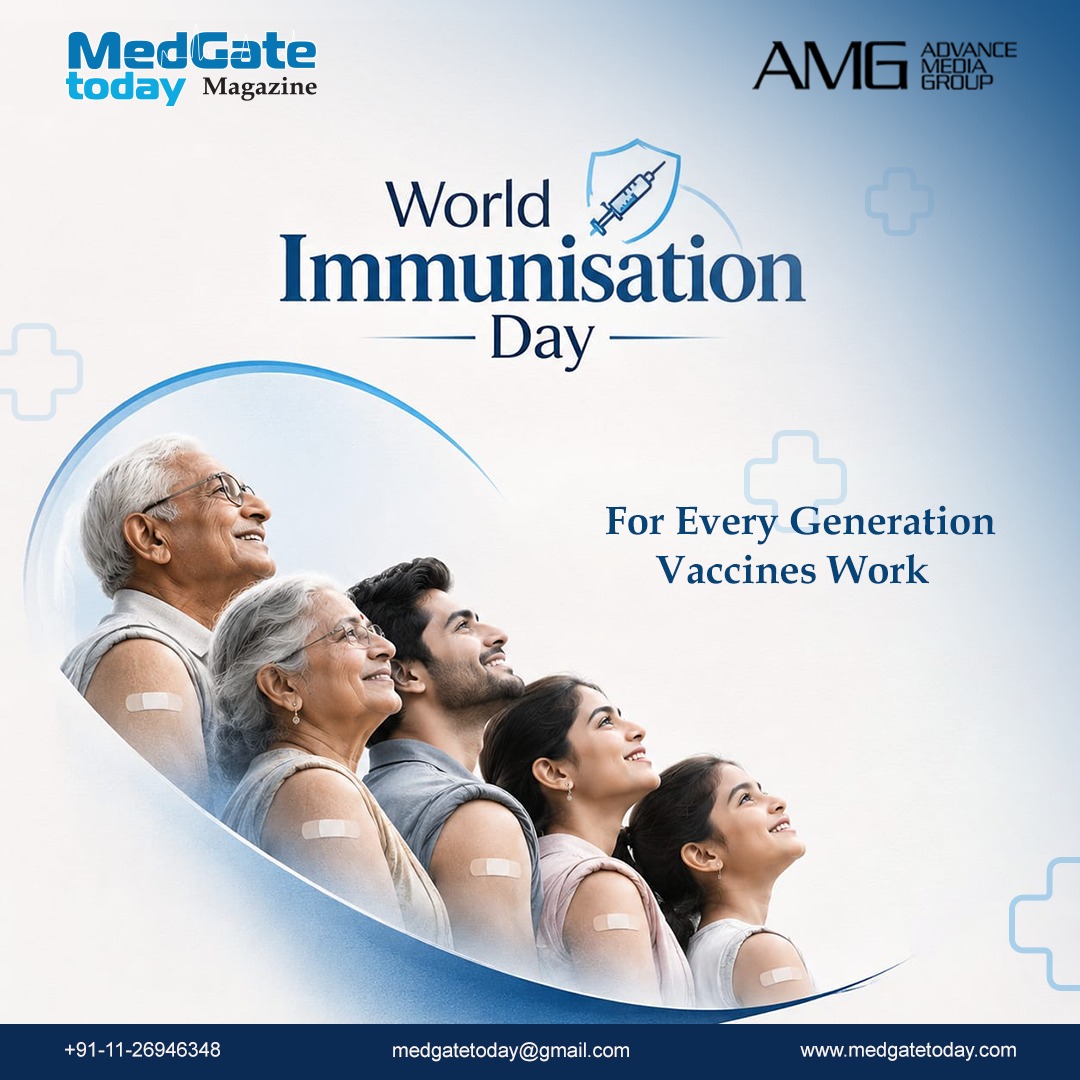
Vaccines have changed the way the world protects people from infectious diseases. Diseases that once caused widespread illness, disability and death can now be prevented through timely vaccination. From protecting newborn babies against life-threatening infections to helping older adults avoid serious complications, immunization remains one of the most important achievements in modern healthcare.
World Immunization Day 2026 highlights the importance of vaccination and encourages individuals, families and communities to understand the role of vaccines in protecting public health. Observed on November 10, the day provides an opportunity to spread vaccine awareness, address common misconceptions and encourage people to follow recommended immunization schedules.
Despite significant progress in vaccination programmes, millions of children and adults around the world still face barriers to accessing essential vaccines. Limited healthcare facilities, lack of awareness, misinformation and financial challenges can prevent people from receiving timely immunization.
On this World Immunization Day, it is important to understand why vaccines matter, how immunization prevents diseases and what individuals can do to support a healthier future.
What Is World Immunization Day and Why Is It Celebrated?
World Immunization Day is observed to highlight the importance of vaccines in preventing infectious diseases and protecting communities. It encourages people to understand the benefits of immunization and take an active role in maintaining their vaccination status.
Vaccination works by preparing the body’s immune system to recognise and fight specific disease-causing organisms. When a vaccinated person encounters the actual infection, their immune system can respond more effectively, reducing the risk of severe illness.
The day also highlights the importance of accessible vaccination services, particularly for children, pregnant women, older adults and people with certain medical conditions.
Objectives of World Immunization Day 2026
The observance focuses on several important public health priorities:
- Increasing awareness about the importance of vaccination.
- Encouraging parents to complete their children’s vaccination schedules.
- Addressing myths and misinformation surrounding vaccines.
- Improving access to immunization services in underserved communities.
- Promoting preventive healthcare and responsible health decisions.
- Supporting national and global vaccination initiatives.
Immunization is not just an individual health decision. It is a collective responsibility that contributes to safer and healthier communities.
Importance of Vaccination in Preventing Serious Diseases
Vaccination is one of the most effective ways to prevent infectious diseases. It helps the immune system develop protection before a person comes into contact with harmful viruses or bacteria.
The importance of vaccination goes beyond protecting individuals. When more people are vaccinated, the spread of many infectious diseases can be reduced, helping protect vulnerable members of society.
Protection Against Life-Threatening Diseases
Vaccines protect people against several serious diseases, including polio, measles, hepatitis B, tuberculosis, diphtheria, tetanus, pertussis and influenza.
For example, polio vaccination has played a major role in reducing the global burden of poliovirus. Similarly, measles vaccination helps prevent outbreaks of a highly contagious infection that can cause serious complications, particularly in young children.
Protection for Children and Newborns
Children have developing immune systems and are particularly vulnerable to certain infections. Routine childhood immunization helps protect them during their early years when their risk of developing serious complications can be higher.
Vaccines recommended during infancy and childhood help prevent diseases that may otherwise lead to hospitalisation, long-term health problems or death.
Reducing the Spread of Infectious Diseases
Vaccination can reduce the circulation of disease-causing organisms within communities. When vaccination coverage is sufficiently high, some infections find fewer opportunities to spread.
This community-level protection is particularly important for people who cannot receive certain vaccines because of medical conditions or age-related factors.
Supporting a Healthier Society
Preventing diseases reduces the pressure on hospitals, healthcare professionals and medical facilities. It can also help families avoid unexpected medical expenses, missed school days and lost working hours.
These benefits demonstrate why immunization is an essential part of preventive healthcare.
Benefits of Immunization for Individuals and Communities
The benefits of immunization extend across different age groups and communities. Vaccines help people stay healthier while supporting stronger public health systems.
Reduces the Risk of Severe Illness
Vaccines train the immune system to recognise specific infections. Although vaccination does not always prevent infection completely, many vaccines significantly reduce the risk of severe disease, complications and hospitalisation.
For example, influenza vaccination can help reduce the risk of serious flu-related complications, especially among older adults and people with certain underlying health conditions.
Helps Prevent Childhood Disability and Death
Several vaccine-preventable diseases can cause permanent disabilities or life-threatening complications in children. Immunization helps protect children against these risks and supports healthier growth and development.
Reduces Healthcare Costs
Preventing an illness is generally less expensive than treating serious complications. Vaccination programmes can reduce hospital admissions, medical expenses and the financial pressure on families.
Protects Vulnerable Populations
Older adults, newborn babies, pregnant women and people with weakened immune systems may face greater risks from certain infections.
High vaccination coverage can help reduce disease transmission and provide indirect protection to vulnerable individuals.
Supports Global Disease Control
Immunization has contributed to major public health achievements, including the eradication of smallpox and substantial progress towards eliminating polio.
These achievements show what coordinated vaccination efforts, public awareness and international cooperation can accomplish.
Importance of Vaccines at Different Stages of Life
Vaccination is not limited to childhood. People may require different vaccines throughout their lives depending on their age, health conditions, occupation, travel plans and previous vaccination history.
Vaccination for Infants and Children
Early childhood immunization is essential because young children are exposed to infections while their immune systems are still developing.
In India, the Universal Immunization Programme (UIP) provides vaccines against several vaccine-preventable diseases. The programme covers pregnant women and children and aims to make essential vaccines accessible through public healthcare services.
Depending on the recommended schedule, childhood vaccines include protection against tuberculosis, polio, diphtheria, pertussis, tetanus, hepatitis B, measles and rubella, among other diseases.
Vaccination for Pregnant Women
Certain vaccines are recommended during pregnancy to protect both the mother and baby. For example, tetanus and diphtheria-containing vaccines are included in India’s maternal immunization programme.
The appropriate vaccine and timing should always be discussed with a qualified healthcare professional.
Vaccination for Adults and Older People
Adults may need booster doses or additional vaccines depending on their medical history and risk factors.
Older adults may benefit from vaccines recommended for their age group, such as influenza, pneumococcal and other relevant vaccines. A healthcare professional can help determine which vaccinations are appropriate.
Vaccine Awareness: Addressing Myths and Misconceptions
Despite scientific progress, misinformation remains a major challenge for vaccination programmes. Some people delay or avoid vaccination because of rumours, fear of side effects or incorrect information shared through social media.
Vaccine awareness helps people make informed healthcare decisions based on reliable medical evidence rather than unverified claims.
Common Vaccine Myths and Facts
| Common myth | Medical fact |
|---|---|
| Vaccines cause the diseases they prevent. | Most vaccines do not cause the disease they protect against. Some live attenuated vaccines require special precautions. |
| Natural infection is always better than vaccination. | Natural infections can cause serious complications, while vaccines provide protection with much lower risks. |
| Vaccines are unnecessary for healthy people. | Healthy individuals can also contract and spread infectious diseases. |
| Multiple vaccines always weaken immunity. | Recommended vaccine schedules are designed to be safe and effective. |
| Vaccination is only important during childhood. | Adults and older people may also need vaccines and booster doses. |
How to Improve Vaccine Awareness
Healthcare professionals, educational institutions, government agencies and media organisations all have an important role in spreading accurate vaccination information.
People should consult qualified doctors, follow official immunization schedules and avoid relying on unverified online claims. Parents should also maintain vaccination records and ensure their children receive recommended doses on time.
Immunization and Disease Prevention in India
India has made significant progress in expanding vaccination coverage through national immunization initiatives. The Universal Immunization Programme is one of the country’s major public health programmes and provides essential vaccines to eligible beneficiaries.
The government also conducts special vaccination activities to reach children and pregnant women who may have missed routine doses.
Role of the Universal Immunization Programme
India’s Universal Immunization Programme aims to provide free vaccination services through government healthcare facilities.
Its major objectives include improving immunization coverage, preventing vaccine-preventable diseases and reducing childhood illness and mortality.
The programme covers vaccines against diseases such as tuberculosis, polio, measles, rubella, diphtheria, pertussis, tetanus and hepatitis B, among others.
Mission Indradhanush
Mission Indradhanush was launched by the Government of India to improve immunization coverage among children and pregnant women who were either unvaccinated or partially vaccinated.
The initiative focuses on identifying underserved communities and strengthening vaccination access in areas where routine immunization coverage needs improvement.
These programmes demonstrate how public health initiatives can make vaccination services more accessible, particularly for communities facing healthcare barriers.
How Can Individuals Support Immunization and Disease Prevention?
World Immunization Day is an opportunity for everyone to contribute to better public health. Small steps taken by individuals and families can make a meaningful difference in improving vaccination coverage.
Here are some practical ways to support immunization:
- Follow vaccination schedules: Ensure that children and eligible family members receive recommended vaccines on time.
- Maintain vaccination records: Keep vaccination cards and medical records updated for future reference.
- Consult healthcare professionals: Seek medical advice before taking vaccines, particularly during pregnancy or when managing an existing medical condition.
- Share reliable information: Encourage friends and family members to understand the benefits of vaccination through trusted healthcare sources.
- Avoid misinformation: Do not believe or share unverified claims about vaccine safety and effectiveness.
- Participate in vaccination programmes: Make use of government vaccination services and authorised healthcare facilities.
Public participation, medical guidance and accessible healthcare services are essential for strengthening immunization efforts.
FAQS
1. When is World Immunization Day celebrated?
World Immunization Day is observed on November 10. The day promotes vaccination awareness and highlights the importance of immunization in preventing infectious diseases.
2. What is the importance of World Immunization Day?
World Immunization Day raises awareness about the role of vaccines in protecting individuals and communities. It encourages timely vaccination, addresses misconceptions and promotes access to essential immunization services.
3. What are the major benefits of immunization?
The major benefits include protection against serious infectious diseases, reduced risk of complications, fewer hospitalisations, lower healthcare costs and improved community health.
4. Why is vaccination important for children?
Children have developing immune systems and are vulnerable to several infectious diseases. Timely vaccination helps protect them against preventable infections and reduces the risk of serious complications.
5. Where can people get vaccinated in India?
People can access vaccination services at government hospitals, primary health centres, community health centres and authorised private healthcare facilities. Eligible beneficiaries can also receive free vaccines through India’s Universal Immunization Programme.
Conclusion: Vaccination Is an Investment in a Healthier Future
World Immunization Day 2026 reminds us that vaccination is one of the strongest tools available for preventing infectious diseases and protecting future generations. From childhood immunization to adult vaccination, every recommended dose contributes to better individual and community health.
India’s Universal Immunization Programme and initiatives such as Mission Indradhanush demonstrate the importance of making vaccines accessible to everyone, particularly vulnerable communities.
However, improving vaccination coverage requires continuous efforts from healthcare professionals, governments, educational institutions, families and the wider public.
This World Immunization Day, take a step towards better health. Check your vaccination records, consult a qualified healthcare professional and encourage your family members to stay up to date with recommended vaccines.
.
Disclaimer: This article is intended solely for general information and awareness and does not constitute professional advice, recommendation or endorsement; MedGate Today assumes no liability for decisions made based on its contents.