
Kerala Reports Two Leptospirosis Deaths and Nine New Cases Amid Heightened Monsoon Disease Surveillance
Kerala has reported two deaths due to leptospirosis and identified nine new cases of the bacterial disease, prompting health authorities to intensify surveillance and public awareness measures amid the ongoing monsoon season. The state health

Kerala has reported two deaths due to leptospirosis and identified nine new cases of the bacterial disease, prompting health authorities to intensify surveillance and public awareness measures amid the ongoing monsoon season. The state health department has urged residents, particularly those in high risk areas, to take preventive precautions and seek immediate medical attention if symptoms develop.
Leptospirosis, commonly known as “rat fever,” is a zoonotic bacterial infection caused by the Leptospira bacteria and remains a recurring public health concern in Kerala during the monsoon months. According to the World Health Organization (WHO), the disease affects both humans and animals and is primarily transmitted through direct contact with the urine of infected animals or exposure to contaminated water, soil or environmental surfaces. The bacteria can enter the human body through cuts or abrasions on the skin or through the mucous membranes of the eyes, nose and mouth.
Health officials have intensified surveillance activities and advised district authorities to strengthen preventive measures, particularly in flood prone and waterlogged areas where the risk of transmission is elevated. Public health teams have also emphasized the importance of early diagnosis and timely treatment to prevent severe complications.
Symptoms of leptospirosis can range from mild flu like illness to severe disease involving the liver, kidneys, lungs and central nervous system. Common symptoms include fever, headache, muscle pain, vomiting and jaundice.
According to the WHO, severe cases can result in organ failure and may be fatal if not treated promptly.
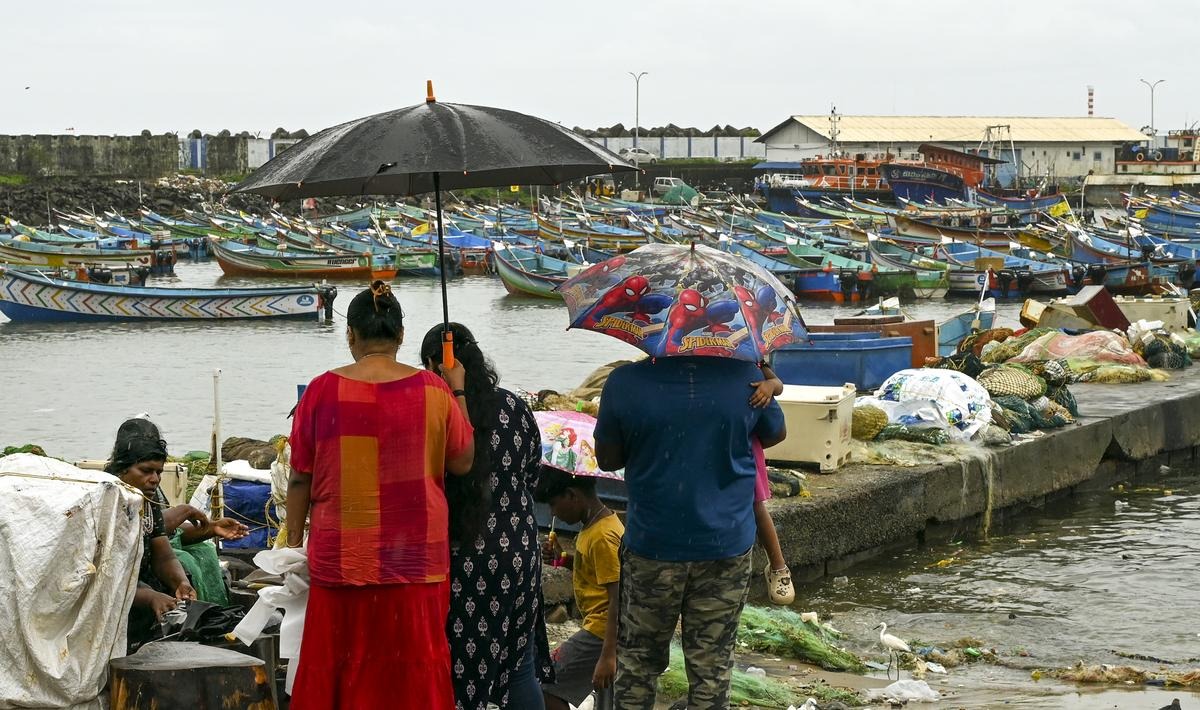
Kerala has historically reported a higher burden of leptospirosis compared to many other Indian states due to its climatic conditions, agricultural activities and seasonal flooding patterns. Public health experts note that increased rainfall, water stagnation and exposure to contaminated environments significantly contribute to the spread of the disease during the monsoon season.
The state health department has advised individuals involved in agriculture, sanitation work and flood related activities to use protective footwear and clothing and to avoid direct exposure to potentially contaminated water whenever possible. Healthcare facilities have also been instructed to maintain heightened vigilance and ensure the availability of diagnostic and treatment services.
Experts emphasize that early recognition, preventive measures and public awareness remain critical to reducing the burden of leptospirosis. The latest cases underscore the importance of strengthening disease surveillance and public health preparedness during seasonal outbreaks and climate related health emergencies.