
NGT Seeks ICMR Progress Report on Study of Potentially Harmful Chemicals Inside Cars
The National Green Tribunal (NGT) has sought a progress report from the Indian Council of Medical Research (ICMR) on a proposed study examining human exposure to certain chemicals used in vehicle interiors that have been

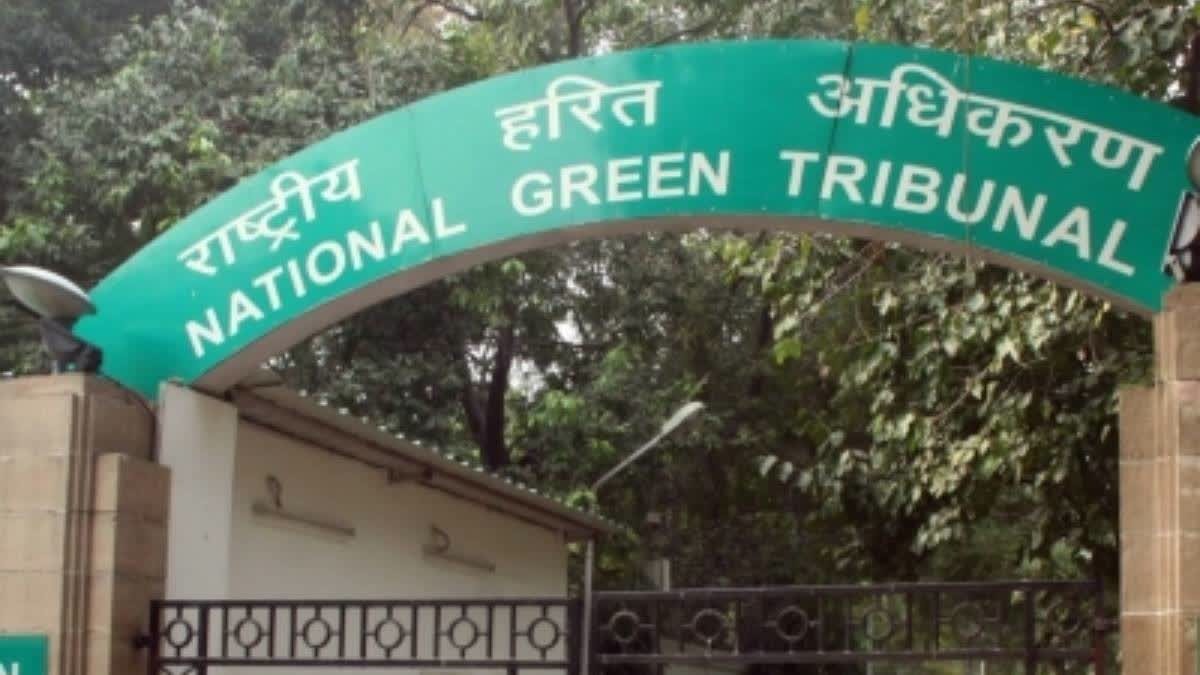
The National Green Tribunal (NGT) has sought a progress report from the Indian Council of Medical Research (ICMR) on a proposed study examining human exposure to certain chemicals used in vehicle interiors that have been linked in scientific literature to potential health risks. The direction was issued by the NGT’s principal bench on August 13.
The case was initiated after a research report raised concerns about exposure to flame-retardant chemicals in vehicle cabin materials and air. Earlier proceedings before the tribunal referred to an international study that analysed 101 electric, gas and hybrid vehicles manufactured between 2015 and 2022, reporting the presence of TCIPP in 99% of the vehicles tested. The study also identified other flame retardants, including TDCIPP and TCEP, which have been associated with potential carcinogenic or other health risks.
ICMR is conducting a nationwide assessment to examine the relevance of these concerns in the Indian context. According to recent reports, the research is expected to be carried out in three phases, involving the collection and analysis of samples to assess exposure levels and potential health implications. The study is reportedly targeted for completion by May 2027.
The NGT’s latest direction seeks an update on the progress of this investigation, which could provide important evidence on whether occupants of vehicles in India face meaningful exposure to potentially harmful chemicals from materials used inside car cabins. The findings may also help inform future discussions on vehicle material safety, chemical regulation and public health standards.
The matter remains under examination, and the health implications for Indian vehicle users will depend on the findings of the ongoing ICMR study and subsequent scientific and regulatory assessment.