
Parliamentary Panel Recommends Low-Cost Health Insurance for Middle Class, Transparent Treatment Packages
The Department-related Parliamentary Standing Committee on Health and Family Welfare has recommended the development of affordable and comprehensive health insurance options for middle-class families and greater transparency in treatment costs across private healthcare facilities. The recommendations

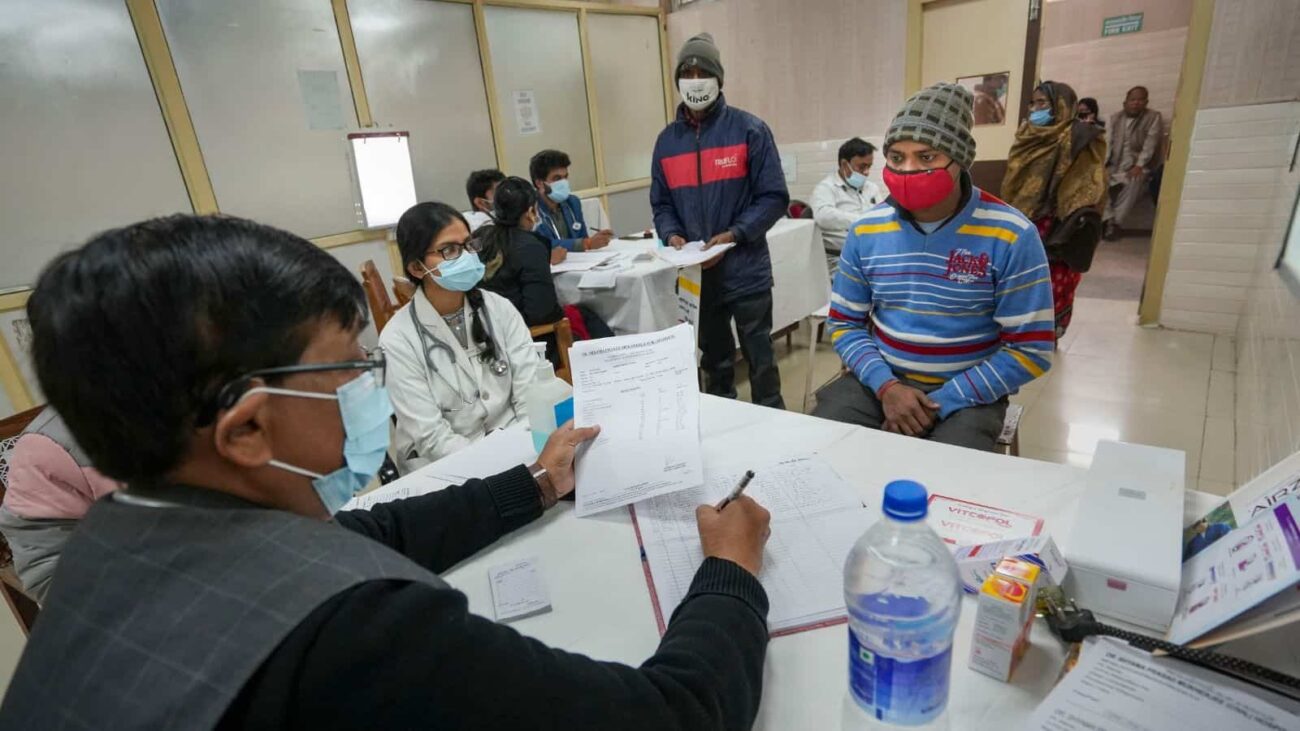
The Department-related Parliamentary Standing Committee on Health and Family Welfare has recommended the development of affordable and comprehensive health insurance options for middle-class families and greater transparency in treatment costs across private healthcare facilities.
The recommendations form part of the Committee’s 176th Report, titled “Affordability and Accessibility of Healthcare Facilities in Public and Private Sector,” which was adopted by the Committee on August 6, 2026 and subsequently presented in Parliament. The report examines the financial barriers faced by patients while accessing healthcare in both public and private sectors.
The Committee highlighted the need to address gaps in financial protection for the middle-income population, which often falls outside the coverage of government-funded health insurance schemes while facing rising premiums and out-of-pocket medical expenses. Earlier government policy discussions have similarly identified a substantial uninsured segment referred to as India’s “missing middle,” for whom affordable health insurance products are needed.
A key recommendation of the report is greater transparency and standardisation in treatment packages and hospital charges, aimed at helping patients better understand the likely cost of medical procedures before or during treatment. The issue has gained increasing policy attention as healthcare costs continue to rise and policymakers explore measures such as benchmarked treatment rates and standardised billing practices.
According to recent government data, public health insurance and financing coverage has expanded substantially, with 45.5% of rural residents and 31.8% of urban residents covered under government health insurance or financing schemes, based on findings from the NSO’s 80th Round Household Social Consumption: Health survey. However, affordability remains a major concern for households relying on private healthcare.
The report’s recommendations come as India continues to expand financial protection through schemes such as Ayushman Bharat–PM-JAY, while policymakers also explore ways to improve insurance penetration and reduce the financial burden of private healthcare. As of June 2026, the scheme had covered more than 12.03 crore hospitalisations, with treatment support worth over ₹1.80 lakh crore, according to government data.
The Parliamentary panel’s recommendations underline the need for a healthcare financing framework that addresses both affordability and price transparency, particularly for middle-class households that remain vulnerable to high medical expenses. The proposals, if taken forward by the government, could contribute to wider health insurance coverage and more predictable treatment costs across India’s healthcare system.