
Platelets Could Be Refrigerated for Up to Three Weeks, Study Finds, Potentially Transforming Blood Supply
Platelets used to control severe bleeding could potentially be refrigerated and stored for up to three weeks, rather than the conventional five to seven days at room temperature, according to new research that could help

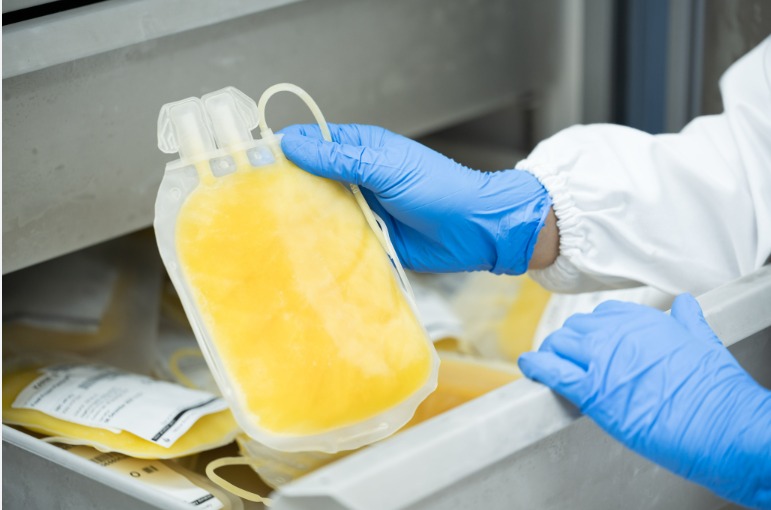
Platelets used to control severe bleeding could potentially be refrigerated and stored for up to three weeks, rather than the conventional five to seven days at room temperature, according to new research that could help reduce blood product shortages and wastage.
The findings, reported in a major clinical study published in JAMA, showed that refrigerated platelets were as effective as conventionally stored platelets in treating bleeding among patients undergoing cardiac surgery. The trial, known as the Chilled Platelet Study (CHIPS), involved approximately 1,000 patients across 27 hospitals in the United States and Australia, marking one of the largest clinical evaluations of extended cold storage for platelet transfusion.
Platelets are essential blood components used to prevent or control bleeding in patients undergoing major surgery, trauma care and other medical emergencies. However, conventional platelet storage presents a significant logistical challenge. Platelets are generally stored at 20–24°C, with a shelf life typically limited to five to seven days, partly because room-temperature storage increases the risk of bacterial growth.
The new findings suggest that storing platelets at refrigerated temperatures of approximately 2–6°C could extend their usable storage period to as long as 21 days.
Previous laboratory research has also demonstrated that cold-stored platelets can maintain important clotting functions for three weeks. In one study, researchers found that platelets stored under cold conditions retained haemostatic activity for 21 days, while platelet concentration remained comparatively well preserved during extended storage.
Another analysis found that cold-stored platelets maintained stable clotting times over the 21-day storage period. While clot strength declined by approximately 15%, key functional properties required for haemostasis remained regulated during extended refrigeration.
The potential impact could be significant for hospitals, blood banks and emergency care systems. Extending platelet storage from around one week to three weeks could substantially reduce product wastage, simplify inventory management and improve the availability of platelets in rural, regional and community hospitals, where maintaining a constant supply of short-lived blood products can be particularly challenging.
However, researchers and regulators will need to assess how the findings translate into wider clinical practice. Cold-stored platelets behave differently from conventionally stored platelets and may be particularly suited for patients with active or severe bleeding, rather than all prophylactic platelet transfusions.
The latest clinical evidence could nevertheless represent an important development in transfusion medicine, potentially enabling blood services to keep life-saving platelets available for longer and strengthen emergency preparedness. The results are now under consideration by the U.S. Food and Drug Administration (FDA) and regulators in multiple other countries to revise regulations for extended cold-storage platelet use.