
Supreme Court Seeks Centre’s Detailed Report on Stem Cell Therapy for Autism, Reiterates Treatment Restricted to Clinical Trials
The Supreme Court of India has granted the Central Government four weeks to submit a comprehensive report on the use of stem cell-based therapies for Autism Spectrum Disorder (ASD), while reiterating that such interventions cannot

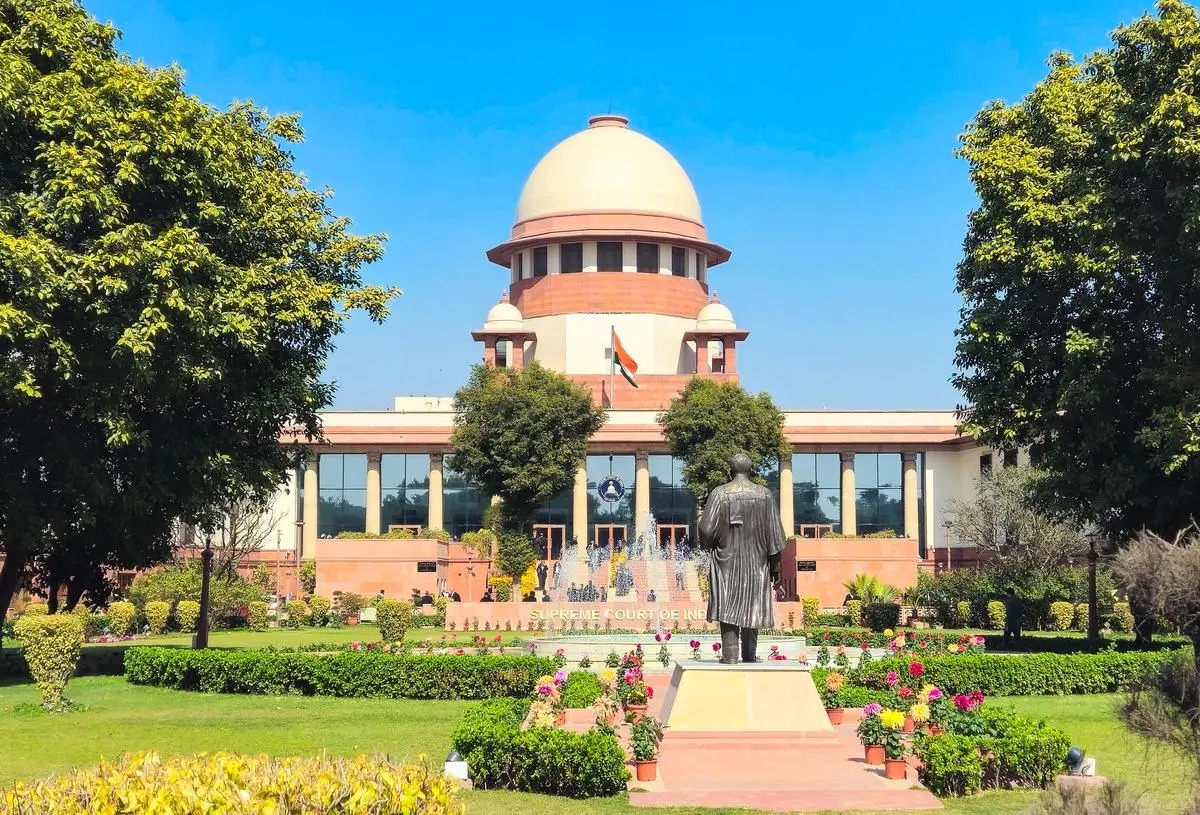
The Supreme Court of India has granted the Central Government four weeks to submit a comprehensive report on the use of stem cell-based therapies for Autism Spectrum Disorder (ASD), while reiterating that such interventions cannot be offered as routine clinical treatment outside approved and monitored clinical trials. The matter comes in continuation of the Court’s January 30, 2026 judgment, which reinforced that stem cell therapies for autism remain experimental and must comply with India’s regulatory framework governing biomedical research.
In its earlier verdict, the apex court categorically held that medical practitioners are prohibited from offering stem cell therapies for ASD as a commercial or routine clinical service unless they are conducted under approved clinical trials with appropriate ethical oversight. The Court’s observations are consistent with the National Guidelines for Stem Cell Research (NGSCR) 2017, jointly issued by the Indian Council of Medical Research (ICMR) and the Department of Biotechnology (DBT), which classify stem cell interventions for autism as investigational and not part of standard medical care.
During the latest hearing, the Supreme Court sought a detailed status report from the Centre regarding the implementation of its earlier directions, including measures to regulate unauthorised stem cell treatments being marketed for autism. The Court expressed concern over the growing number of clinics promoting unproven regenerative therapies without robust scientific evidence, emphasising the need to protect patients and families from misleading claims and ensure strict adherence to evidence based medicine.
According to WHO, approximately 1 in every 100 children worldwide is estimated to have Autism Spectrum Disorder, a neurodevelopmental condition affecting communication, social interaction and behaviour. While behavioural interventions, speech therapy, occupational therapy and educational support remain the globally accepted standards of care, no stem cell therapy has received regulatory approval anywhere in the world as a proven treatment for autism. Medical experts continue to stress that claims of cure through stem cell interventions lack sufficient high quality clinical evidence.
Healthcare experts have welcomed the Supreme Court’s continued oversight, stating that the decision reinforces ethical medical practice and safeguards patient safety. They noted that while stem cell research holds long term scientific potential for several medical conditions, its application in Autism Spectrum Disorder remains experimental and should only proceed within scientifically designed, ethically approved and regulator monitored clinical trials.
The Court’s directions are expected to strengthen regulatory enforcement, curb misleading therapeutic claims and promote evidence based healthcare for children with autism and their families.