

Why Is Vaping Becoming Popular Among Youth and How Harmful Is It? Health Experts Sound the Alarm
Vaping is increasingly gaining popularity among teenagers and young adults worldwide, but healthcare experts are warning that the trend may carry serious health risks despite being widely perceived as a safer alternative to traditional cigarettes. Electronic

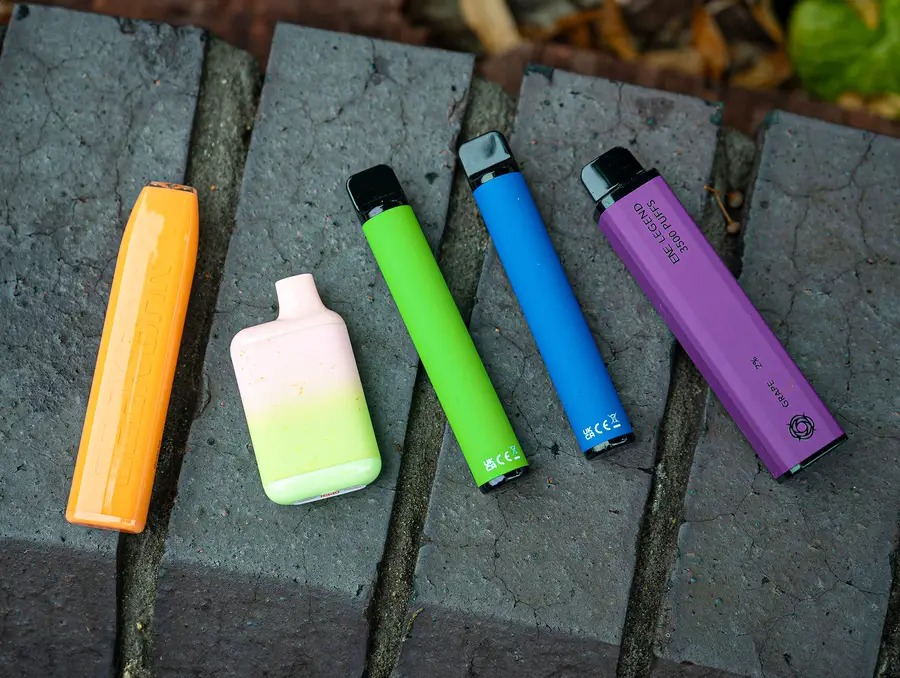
Vaping is increasingly gaining popularity among teenagers and young adults worldwide, but healthcare experts are warning that the trend may carry serious health risks despite being widely perceived as a safer alternative to traditional cigarettes.
Electronic cigarettes, commonly known as e-cigarettes or vapes, are battery-operated devices that heat a liquid containing nicotine, flavorings, and other chemicals into an aerosol that users inhale. Their sleek designs, flavored options, social media visibility, and perception as a “modern” alternative to smoking have contributed significantly to their growing appeal among young people.
According to the WHO, nicotine-containing products pose particular risks to adolescents and young adults because the brain continues to develop until approximately 25 years of age. Health experts warn that nicotine exposure during this critical period can affect attention, memory, learning, mood regulation, and impulse control.
Global public health agencies have expressed concern over rising youth vaping rates. Studies have shown that adolescents who vape are more likely to develop nicotine dependence and may be at greater risk of transitioning to conventional tobacco products later in life.
Contrary to popular belief, vaping aerosols are not simply “harmless water vapor.” Research has identified potentially harmful substances in vape emissions, including ultrafine particles, heavy metals, volatile organic compounds, and chemicals linked to respiratory irritation. Long term health effects are still being studied, but evidence increasingly points to risks involving lung health, cardiovascular function, and addiction.
Healthcare professionals also warn about the growing popularity of flavored vaping products, which are often marketed in ways that appeal to younger users. Flavors such as fruit, candy, and mint have been cited by public health experts as key drivers of youth experimentation and continued use.
The concern comes at a time when tobacco related diseases remain a major global health challenge. WHO estimates that tobacco use causes more than 8 million deaths annually, including approximately 1.3 million deaths from second hand smoke exposure.
Experts emphasize that prevention through education, stronger regulations, parental awareness, and youth focused public health campaigns remains essential. They also encourage young people who vape to seek professional support if they experience nicotine dependence.
As evidence continues to emerge, healthcare authorities maintain that the safest choice for young people is to avoid both smoking and vaping altogether, protecting long term health and reducing the risk of addiction.