
2nd Generation Leaders in Healthcare – Beacon Group of Companies
Introducing innovation while preserving the core identity of the business has been a careful, intentional process Dr. D.K. Joshi, CMD, Beacon Group of Companies Chirag Joshi, CEO, Beacon Diagnostics Pvt. Ltd. Nidhi Joshi - CEO, Biogeny Diagnostics How do

Introducing innovation while preserving the core identity of the business has been a careful, intentional process
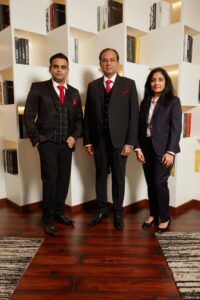
Dr. D.K. Joshi, CMD, Beacon Group of Companies
Chirag Joshi, CEO, Beacon Diagnostics Pvt. Ltd.
Nidhi Joshi – CEO, Biogeny Diagnostics
How do you feel about your second-generation successor taking over your entrepreneurial legacy?
Watching my successor, my child stepping into the authoritative role brings a deep sense of pride and fulfillment. As a founder, you pour everything into building something meaningful, and to see the next generation not only value that legacy but also bring their own vision to it is incredibly rewarding. It’s not about replicating what we’ve done; it’s about evolving it. I feel confident, hopeful, and honestly excited to see where they’ll take it next. They’ve grown up with the mission in their DNA, but they’re also bringing new perspectives that are essential for the future of healthcare. It feels like the legacy is not just being preserved, it’s being reimagined, and that’s the most you could ever hope for.
You come from a strong healthcare legacy—what core values or philosophies from your first-generation leadership have you carried forward in your journey?
Coming from a strong healthcare legacy, there are certain values that were ingrained in me from the very beginning be it compassion, integrity, or an unwavering commitment to delivering the best possible to the people who trust and value us, to our customers. My first-generation mentor, my father led the company with a deep sense of responsibility, not just to grow the business, but to serve communities with dignity and respect. What I learned from him is that healthcare isn’t just about running a successful business. It’s about making a lasting impact on individuals and communities. I’ve carried those values forward, while also adapting to the evolving needs of the healthcare landscape. I try that every decision, clinical or operational, should ultimately serve the well-being of patients. I keep a check on small things from how we treat our patients to how we support our teams. That legacy keeps me grounded, even as we innovate and expand. Those foundational principles continue to guide me as we grow and adapt to meet the challenges of modern healthcare.
What were the biggest challenges you faced stepping into a leadership role in a legacy business, and how did you overcome them?
One of the biggest challenges in stepping into a leadership role within a legacy business was balancing respect for what had been built with the need to evolve. There’s a weight that comes with continuing something that has deep roots, expectations from within the family, from long-standing employees, and from the broader community. I had to earn trust not just as a successor, but as a capable leader in my own right. Another challenge was modernizing certain practices and introducing new ideas in a way that honored the past but didn’t get stuck in it. I overcame these challenges by listening deeply, involving key stakeholders in change, and being patient yet persistent. Ultimately, it was about building bridges between generations by staying true to our core values while moving the organization forward with a clear, future-focused vision.
4.How have you introduced innovation or transformation into the business while maintaining its foundational identity?
Introducing innovation while preserving the core identity of the business has been a careful, intentional process. I’ve always believed that transformation should enhance and not erase what makes a legacy special. We started by identifying areas where change could create real value, such as adopting digital health solutions, improving patient experience through technology, and streamlining operations for greater efficiency. But we made sure these changes were guided by the same principles that defined the first generation: compassionate care, trust, and community connection. I’ve found that innovation is most effective when it’s aligned with purpose. By keeping our mission at the center of every change, we’ve been able to modernize without losing the heart of who we are.
Looking ahead, how do you plan to expand or diversify the legacy you’ve inherited—and what message would you like to give to future generations of healthcare entrepreneurs?
Looking ahead, my plan is to expand and diversify our legacy by embracing new technologies and exploring emerging areas like digital health, personalized medicine, and community-based care models. It’s important to adapt to the changing healthcare landscape while remaining deeply connected to our foundational mission of compassionate, patient-centered care. I believe growth should be purposeful focused on improving outcomes and access rather than just scale.
To future generations of healthcare entrepreneurs, I’d say: stay curious and courageous. The challenges in healthcare are complex, but that also means there’s enormous opportunity to make a meaningful difference. Always remember that innovation without empathy can only go so far. Carry forward the values that ground you, but don’t be afraid to rethink dfthe way care is delivered. The future of healthcare depends on leaders who can blend tradition with transformation.
–