
Study Finds Human Brain Cells Continue to Form Into Late Adulthood
Challenging Long-Held Beliefs About Brain Development In a groundbreaking scientific revelation, researchers have found that human brain cells continue to regenerate well into late adulthood, challenging the decades-old notion that neurogenesis— the formation of new neurons—ceases

Challenging Long-Held Beliefs About Brain Development
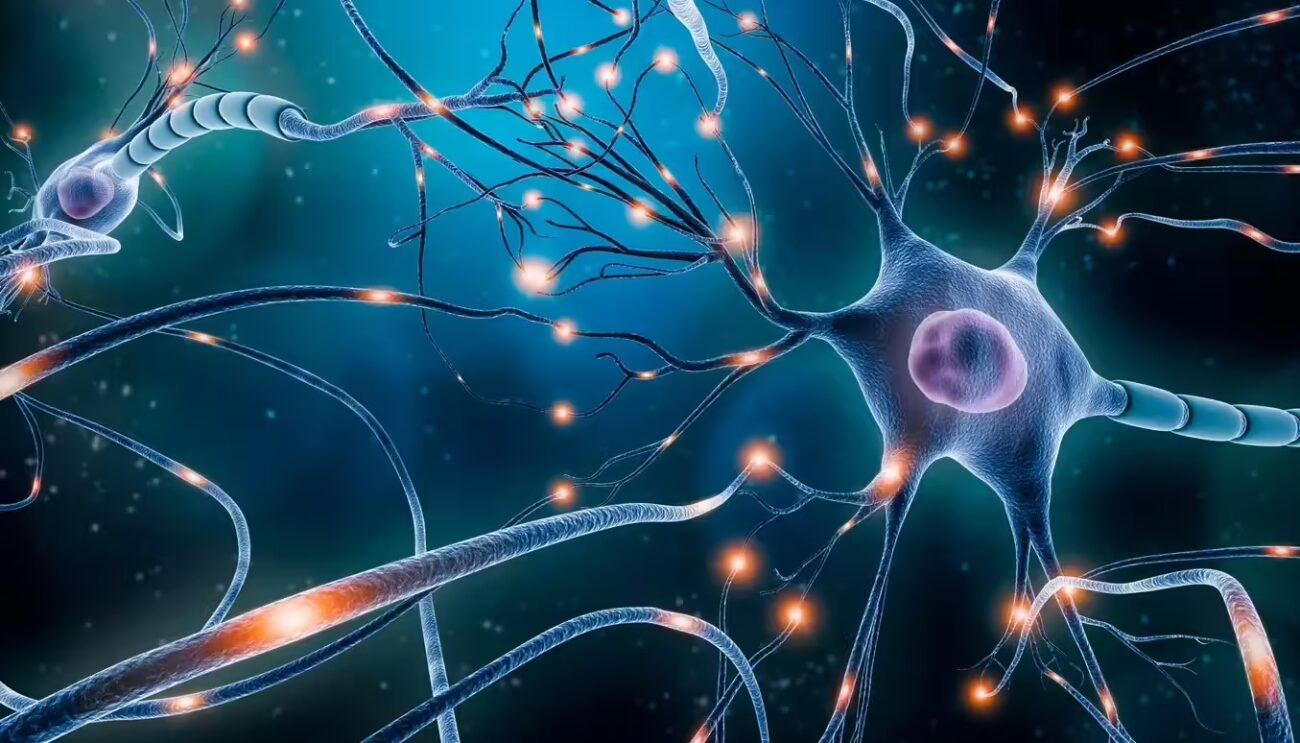
In a groundbreaking scientific revelation, researchers have found that human brain cells continue to regenerate well into late adulthood, challenging the decades-old notion that neurogenesis— the formation of new neurons—ceases after childhood. The study, published in a leading neuroscience journal, offers new hope for enhancing cognitive resilience and delaying age-related mental decline. Scientists analyzed post-mortem brain tissue samples and discovered evidence of ongoing neuron formation in the hippocampus, a critical region responsible for memory, learning, and emotion regulation.
Neurogenesis Beyond Middle Age: A New Frontier
According to the study, even individuals in their 70s and 80s showed signs of active neuron development, particularly in the dentate gyrus—a subregion of the hippocampus known to play a pivotal role in encoding new memories. Using advanced imaging and molecular analysis techniques, researchers identified immature neurons and neuronal stem cells that had not fully matured, suggesting a persistent, though slower, process of neurogenesis throughout life. This revelation not only revises our understanding of the brain’s plasticity but also opens new pathways in the study of Alzheimer’s disease, depression, and cognitive rehabilitation.
Potential for Therapeutic Applications
Experts believe that this discovery could lay the foundation for innovative therapies aimed at boosting brain regeneration in older adults. Enhancing adult neurogenesis could help in mitigating cognitive decline, improving recovery after brain injury, and developing targeted treatments for age-related neurological disorders. Researchers are now exploring diet, exercise, and pharmacological interventions that might enhance the brain’s natural regenerative capacity. The findings support long-standing anecdotal observations that mentally and physically active seniors tend to retain better cognitive function.
Expert Opinions and Future Research
A neuroscientist and lead author of the study, noted, “The human brain appears to retain its regenerative capabilities far longer than we previously assumed. This opens a new window into understanding how aging impacts mental function and how we might delay or reverse some of those changes.” The research team has called for larger-scale longitudinal studies to determine how factors like stress, environment, and lifestyle influence adult neurogenesis. They also emphasize the importance of identifying biomarkers that can help clinicians monitor neuronal regeneration in real-time.