
At the 13th Annual International Best of Brussels Symposium on Intensive Care & Emergency Medicine held in Pune
leading experts convened to highlight the alarming rise in complicated urinary tract infections (UTIs) and antimicrobial resistance (AMR), calling for urgent, region-specific interventions. Complicated UTIs & High AMR Mortality Dr. Shirish Prayag, Organising Chairperson, explained that complicated

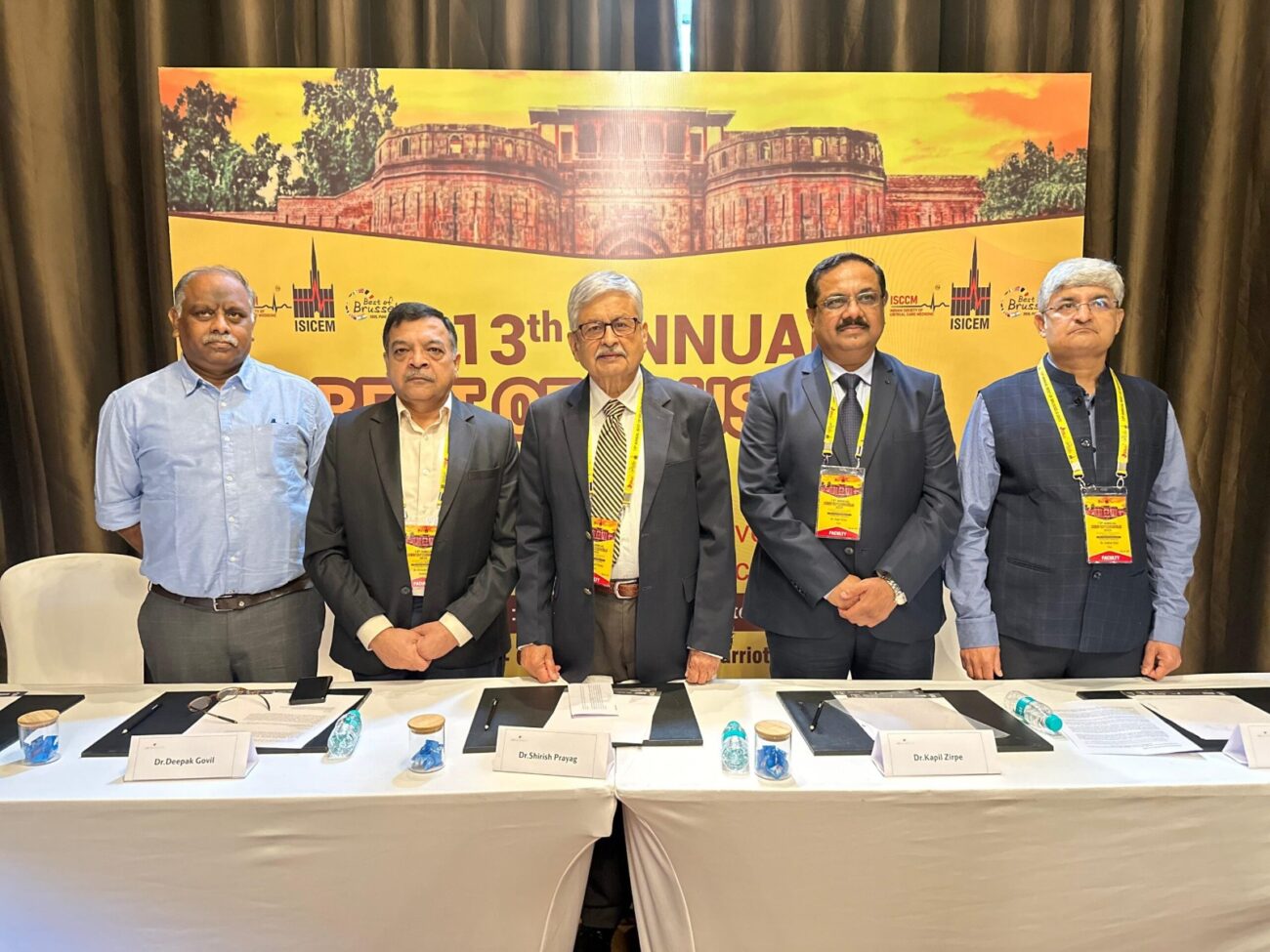
leading experts convened to highlight the alarming rise in complicated urinary tract infections (UTIs) and antimicrobial resistance (AMR), calling for urgent, region-specific interventions.
Complicated UTIs & High AMR Mortality
Dr. Shirish Prayag, Organising Chairperson, explained that complicated UTIs—particularly those caused by E. coli and Klebsiella pneumoniae—are among the most prevalent bacterial infections in India. Citing World Health Organization data, he stressed that AMR has led to approximately 4.95 million deaths globally, with 1.27 million directly attributed to drug-resistant infections.
hindustantimes.com
+12
expresshealthcare.in
+12
timesofindia.indiatimes.com
+12
He emphasized that complicated UTI patients often require surgeries, renal replacement therapy, ICU care, and sometimes ventilation. “With the rising prevalence of AMR, treating complicated UTI is becoming extremely challenging, thus requiring longer hospital stays,” he warned, advocating for timely, targeted antibiotic therapy and improved medical education.
expresshealthcare.in
Rising Carbapenem Resistance & Mortality Risk
Dr. Kapil Zirpe, Organising Secretary, highlighted the increasing resistance of pathogens to carbapenems—a last-resort class of antibiotics—warning that mortality rates for carbapenem-resistant Enterobacterales (CRE) in India can be as high as 54.3%, underscoring the critical need for new treatment options.
expresshealthcare.in
Culture-Guided Antibiotic Use & Training Gaps
Dr. Subhal Dixit, Joint Organising Secretary, condemned the misuse of antibiotics and urged clinicians to rely strictly on culture and sensitivity tests. He also advocated for structured antibiotic stewardship training in both community and hospital settings.
Focus on Research, Hygiene & Awareness
Dr. Deepak Govil, Director of Critical Care at Medanta, called for increased research into targeted antimicrobial therapies, better hygiene protocols, and a multifaceted strategy involving awareness campaigns and novel treatments to combat AMR and complicated UTIs effectively.
First Indigenous Drug Innovation
Dr. V Balaji of CMC Vellore and INSAR, supported by WHO-SEARO and ICMR, announced the development of Cefepime Enmetazobactam—a new Indian antibiotic highly effective and affordable for treating complicated UTIs. He hailed this as a landmark achievement: an India-first drug available domestically at one-tenth the cost of imported alternatives.
Key Expert Recommendations:
Upgrade medical school curricula (e.g., MBBS) to include current AMR knowledge
Enforce government regulation and monitoring of antibiotic sales
Ensure antibiotic prescription follows culture-guided protocols
Invest in R&D for novel antimicrobial agents and rapid diagnostics
Background & Context
India continues to face a surge in drug-resistant infections—ICMR data shows dramatic resistance among E. coli and Klebsiella across UTIs, pneumonia, typhoid, and sepsis.
Meanwhile, a new injectable antibiotic, plazomicin (Zemdri), has been introduced in India for complicated UTIs and pyelonephritis, signaling market-level responses to AMR threats.
Conclusion
Indian healthcare experts stress that compounded AMR in complicated UTIs represents a public health emergency. They call for an integrated response that includes stronger diagnostics, stewardship frameworks, education, investment in new antibiotics, and culturally tailored regional strategies to preserve antibiotic efficacy, reduce mortality, and manage healthcare costs.