
Gujarat Becomes India’s First State to Launch Tribal Genome Sequencing Project
State-led initiative to build a reference genome database for tribal communities—pioneering personalized healthcare and genetic research In a historic move, the Gujarat government has unveiled India’s first state‑level Tribal Genome Sequencing Project, aimed at enhancing healthcare


State-led initiative to build a reference genome database for tribal communities—pioneering personalized healthcare and genetic research
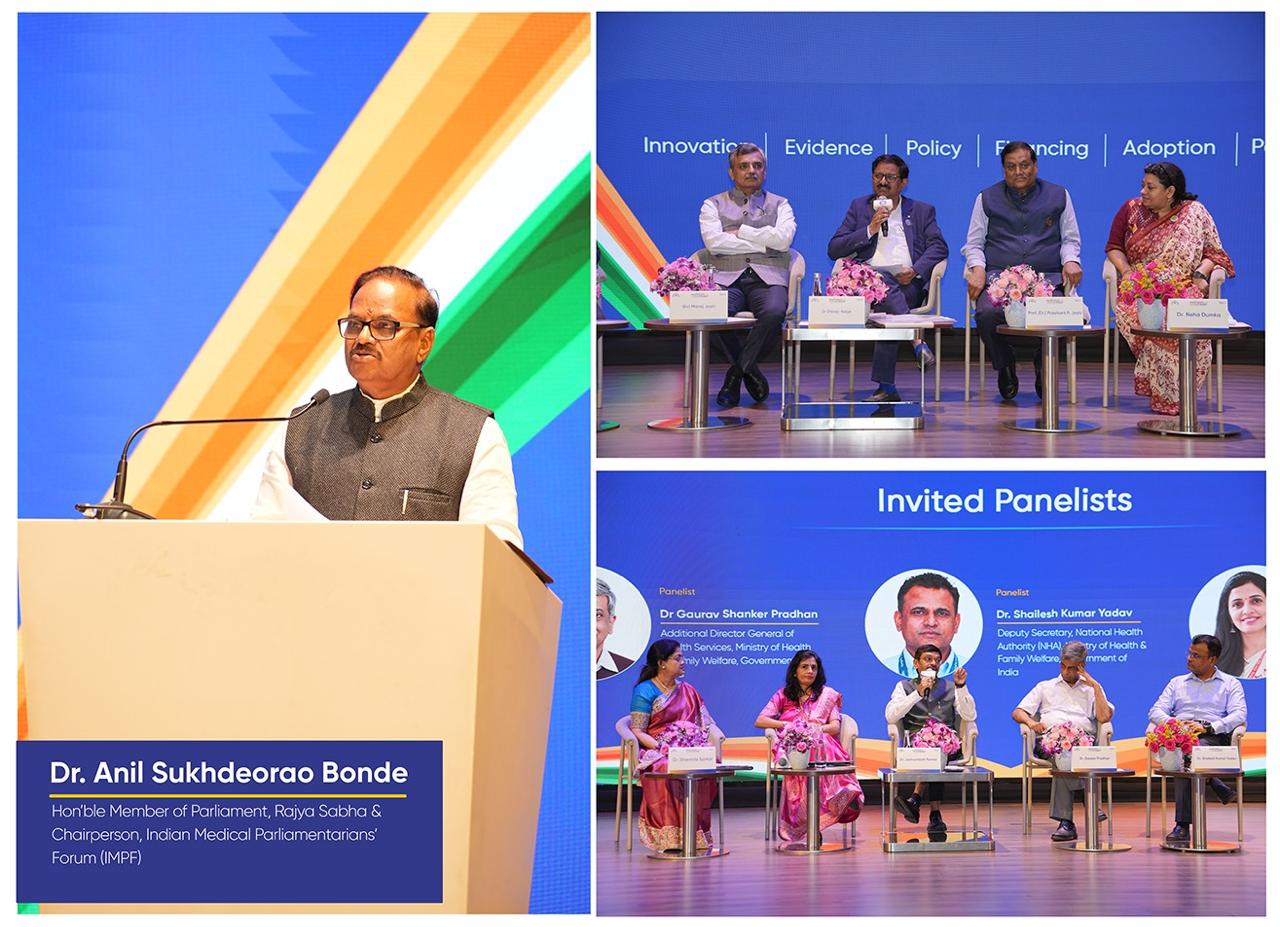
In a historic move, the Gujarat government has unveiled India’s first state‑level Tribal Genome Sequencing Project, aimed at enhancing healthcare outcomes among tribal populations by creating a dedicated genomic database. The project was formally launched during a high-level consultation in Gandhinagar, chaired by Tribal Development Ministers Dr. Kuber Dindor and Kunvarji Halpati
Scope and Implementation
Developed under the title Creation of Reference Genome Database for Tribal Population in Gujarat, the project received approval in the 2025–26 Gujarat state budget, with funding allocated via the Department of Science & Technology and Tribal Development Department
Gujarat Biotechnology Research Centre (GBRC) in Gandhinagar will lead the effort, working in coordination with local tribal representatives and scientific stakeholders
The initial phase encompasses 17 tribal-majority districts of the state, with genome sequencing of approximately 2,000 individuals from over 20 distinct tribal communities, including the Garasia Bhil, Tadvi, Valvi, Gamit, Rathwa,
Scientific Design and Ethical Considerations
A total of 4,158 biological samples (including blood) are to be collected to generate around 2,000 whole genome sequences (WGS), ensuring representation through trios (father, mother, child) for each participating tribe to elucidate heritable traits
Sampling focuses on healthy adults aged 18+ with no visible blood disorders. The project also ensures 50% female representation across tribal cohorts and emphasizes informed consent and community participation in all survey stages
Goals: Health, Diversity, and Data for Policy
The project aims to identify genetic markers linked to hereditary conditions such as sickle cell anaemia, thalassemia, certain cancers, and innate immunity traits—enabling future early detection strategies
Researchers expect the reference genome database to fill a critical gap in India’s understanding of tribal genetic diversity, which has historically been under‑represented, enhancing both precision diagnostics and community-specific medical interventions
The data is intended to support long-term policy planning, medical research, and targeted healthcare services for indigenous communities .
Official Statements and Broader Significance
Dr. Kuber Dindor underscored the initiative’s role as a bridge between science and tribal tradition, calling it a landmark step toward “a healthier and more prosperous future” for tribal citizens
Experts at the Gandhinagar consultation emphasized the importance of modern genomic tools for long-term community welfare, beyond mere scientific innovation
Conclusion: A Pathway to Inclusive Genomics
This initiative marks Gujarat as the first Indian state to spearhead a tribal-specific genome sequencing project. By generating data tailored to tribal populations, the project sets a new standard for inclusive biotechnology, genetic equity, and healthcare accessibility across India.