
Experts Demand Mandatory NAT at All Blood Banks to Strengthen Transfusion Safety
Medical professionals, public health advocates, and patient representatives have called for the Indian government to mandate Nucleic Acid Testing (NAT) at all blood banks nationwide, highlighting the urgent need to prevent transfusion-transmitted infections (TTIs). At a


Medical professionals, public health advocates, and patient representatives have called for the Indian government to mandate Nucleic Acid Testing (NAT) at all blood banks nationwide, highlighting the urgent need to prevent transfusion-transmitted infections (TTIs).
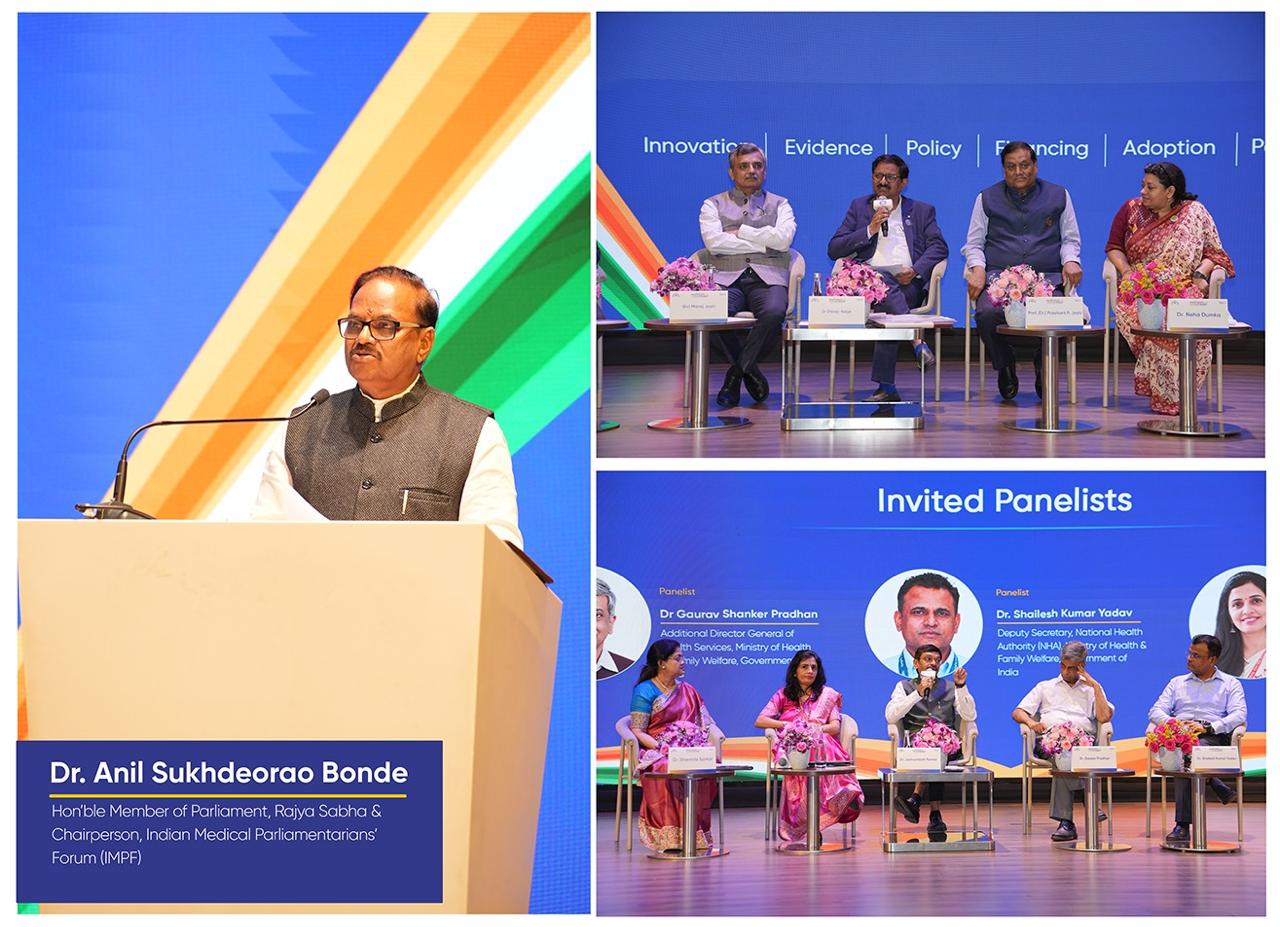
At a roundtable titled “Ensuring Safe Blood for All: Strengthening Blood Safety Practices,” organized by the Thalassemia Patients Advocacy Group, experts underscored that conventional serological methods like ELISA fail to detect HIV, Hepatitis B, and C during early “window periods.” NAT, however, can identify these infections days—or even weeks—earlier, significantly reducing transmission risk during transfusion
Gaon Connection
e forum featured a poignant testimony from a 23-year-old thalassemia patient living with both HIV and hepatitisan outcome she linked to a blood transfusion. Experts such as Dr. Sangeeta Pathak (ISBTI/Max Saket) and Prof. Bejon Kumar Misra stressed that safe blood is a constitutional right and a public health necessity. They urged immediate legislative reform to make NAT testing compulsory across all donor units and collection centers
Evidence supports their call. The AIIMS-led NAT-Experience study revealed that in India, about 6,000 contaminated donations could slip past current testing annually, potentially infecting 20,000 patients—even when transmitted via component separation across recipients
ET HealthWorld estimates that national adoption of Individual Donor NAT (ID-NAT) could prevent up to 90,000 new infections per year, yielding substantial cost‑benefit by averting long-term treatment expenses
Gaon Connection
Despite the merits, less than 5% of blood banks in India currently offer NAT, covering under 10% of total donations. By contrast, model initiatives in states like Odisha, Madhya Pradesh, and Karnataka have integrated NAT via public-private partnerships or state mandates, demonstrating scalability and affordability. Odisha’s PPP model even covers the additional cost so that patients receive NAT‑screened blood free of charge
At present, India’s Blood Safety framework requires testing donated units for HIV, HBV, and HCV using ELISA, malaria, and syphilis markers under the Drugs & Cosmetics Act. However, these methods remain blind during early infection stages, exposing patients to avoidable risk. Experts underscore that NAT should complement—not replaceserological testing, establishing a dual-layer system aligned with global standards
gal advocates, including Supreme Court lawyer P.C. Sen, highlighted the constitutional imperative of providing pathogen-free blood, while BJP spokesperson Tuhin A. Sinha reaffirmed government commitment to reform. Meanwhile, the Orissa High Court has directed state authorities to file an affidavit within two weeks clarifying the rollout status of NAT PCR facilities—a follow-up to a previous order mandating NAT expansion by March 2025—after finding no actual progress beyond initial pilot centres
Given India’s annual requirement of 1.2 crore blood units—with a shortfall of 30 lakh units, especially acute during summer—and widespread reliance on family or replacement donations, patient safety remains compromised. Experts believe that alongside mandating NAT, India must scale voluntary, non-remunerated blood donations and promote transparency through surveillance and policy participation by patient groups