
WHO Raises Alarm Over Global Spread of Mosquito borne Chikungunya Virus
The World Health Organization (WHO) has issued an urgent call to action in response to rising chikungunya transmission worldwide, warning that more than 5.6 billion people across 119 countries and territories now live in areas

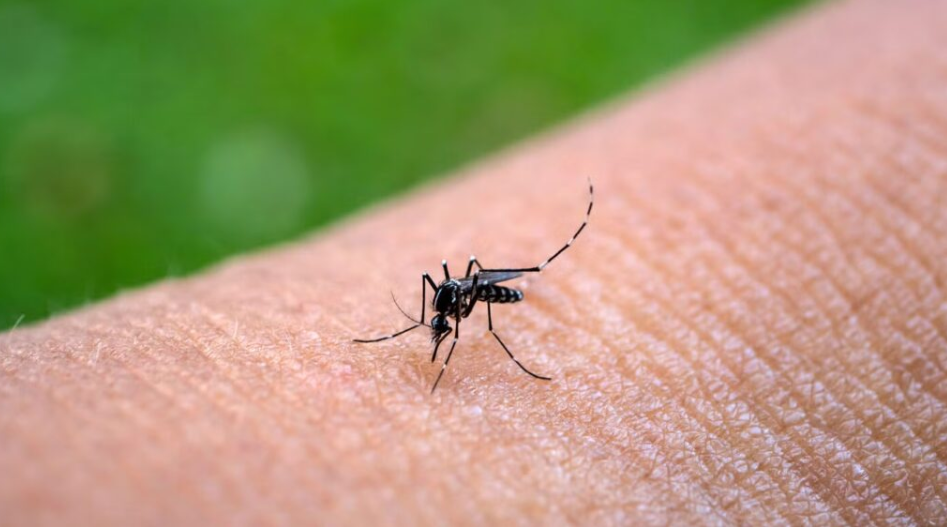
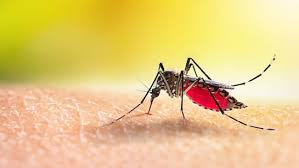
The World Health Organization (WHO) has issued an urgent call to action in response to rising chikungunya transmission worldwide, warning that more than 5.6 billion people across 119 countries and territories now live in areas at risk of contraction. This rapid geographic expansion is driven by climate change, increased travel, and the global proliferation of Aedes mosquitoes Aedes aegypti and Aedes albopictus which also transmit dengue and Zika.
Re‑Emergence in the Indian Ocean and Beyond
Major outbreaks have re-emerged across the Southwest Indian Ocean region, including Réunion, Mayotte, and Mauritius. In Réunion alone, nearly one-third of residents have been infected in the latest wave. WHO’s regional alerts aim to bolster preparedness in areas previously hit hard by the 2004–2005 epidemic.
Concern Over Autochthonous Transmission in Europe
Epidemiologists report 583 imported cases in France between late May and mid-June 2025, alongside 12 confirmed local transmission events. A case has also been identified in Italy. These developments raise red flags as Aedes albopictus becomes increasingly established across southern Europe.
WHO Strengthens Clinical and Arboviral Guidance
In May 2025, WHO published its first comprehensive guidelines for managing arboviral diseases including chikungunya, dengue, Zika, and yellow fever—to aid clinicians in correctly diagnosing and managing overlapping symptoms across febrile illnesses. Through its Global Arbovirus Initiative and the Integrated Management Strategy for Prevention and Control of Arboviral Diseases (IMS-Arbovirus), WHO continues to support member states in strengthening surveillance, laboratory diagnostics, risk communication, and vector control.
Why Chikungunya Is a Growing Global Threat
- The virus has now been confirmed in over 110 countries, with recurring outbreaks since 2004 linked to viral mutations that enhance transmission via Aedes albopictus. Symptoms fever, severe joint pain, rash, and fatigue can be debilitating, and joint pain may persist for weeks or even months. Fatal outcomes remain rare (≈1 in 1,000) but are more likely in infants, older adults, and those with comorbidities.
- No licensed antiviral treatment exists; two vaccines (Ixchiq and Vimkunya) have received authorization in select countries, but their adoption remains cautious due to safety concerns, particularly among older adults.
Public Health Recommendations
WHO underscores the need for urgent preventive measures to avert a repeat of past large-scale outbreaks. Priority actions include:
- Implementing integrated mosquito control (fogging, habitat elimination, community engagement)
- Encouraging personal protection: repellents, covering exposed skin during peak biting times
- Expanding laboratory capacity for accurate diagnosis, especially in regions witnessing co-circulation of arboviruses
- Intensifying training for healthcare and public health workers on early recognition and management
The Climate Connection & Evolving Risk Landscape
Climate change is shifting vector habitats Aedes mosquitoes are now thriving in regions once unsuitable for them. Rising temperatures and increased urbanization are driving the risk of outbreaks even in temperate zones, widening the geographic footprint of chikungunya and related arboviruses.
Outlook: Vigilance Required as Chikungunya Resurges
WHO’s recent alerts reflect a critical inflection point: chikungunya is transitioning from a regional concern to a global threat. As Aedes vectors expand into new territories and immunity gaps persist, coordinated, multisectoral action from global preparedness to national surveillance is vital to prevent widespread epidemics and protect vulnerable populations.