
RBSK 2.0 Launched in India: Digital Health Cards Introduced to Strengthen Child Healthcare, Over 157 Crore Children Screened Nationwide
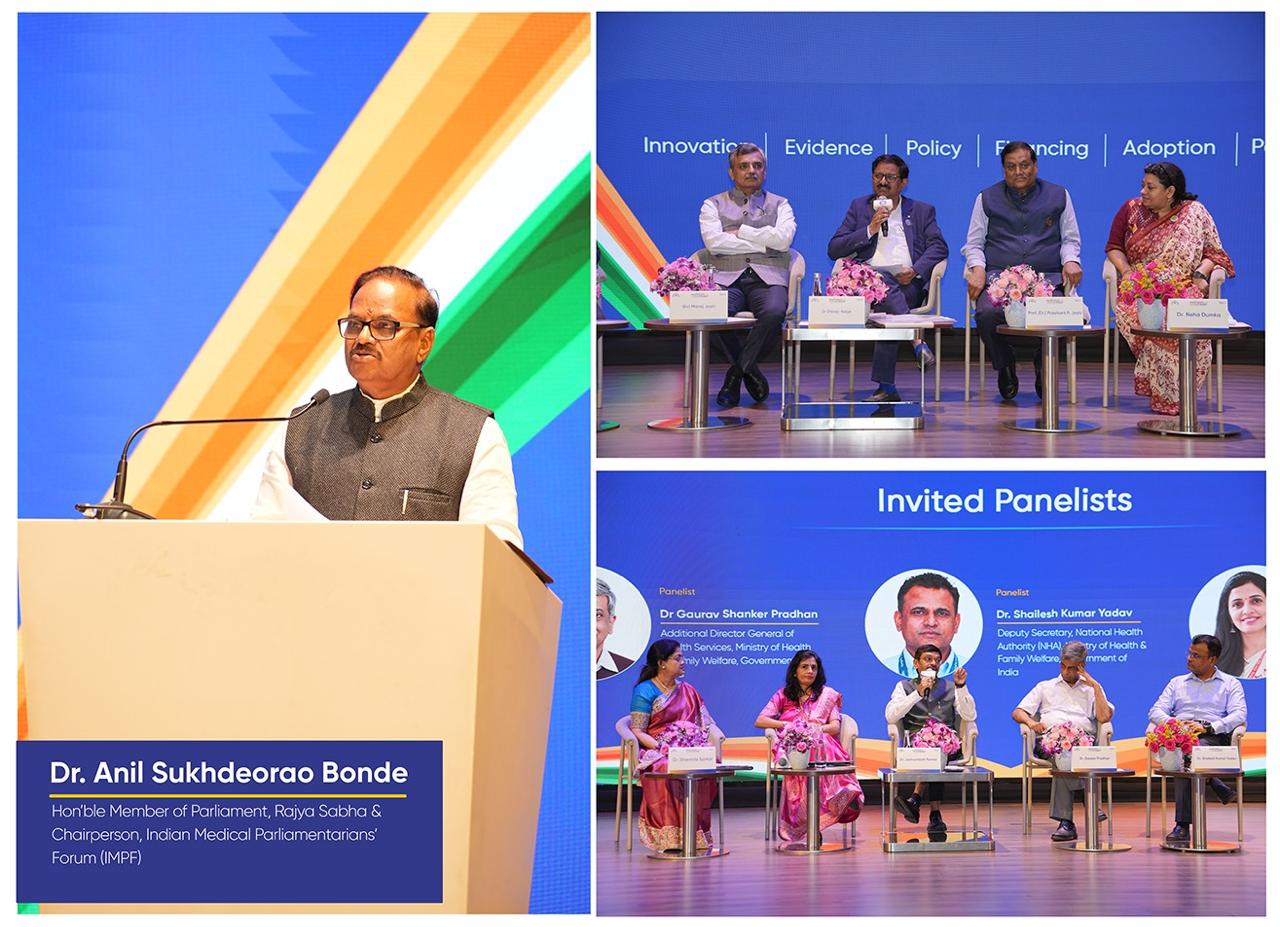
The Ministry of Health and Family Welfare has launched the upgraded Rashtriya Bal Swasthya Karyakram (RBSK 2.0), introducing Digital Health Cards for children aged 0–18 years to strengthen early detection, continuous monitoring, and integrated healthcare


The Ministry of Health and Family Welfare has launched the upgraded Rashtriya Bal Swasthya Karyakram (RBSK 2.0), introducing Digital Health Cards for children aged 0–18 years to strengthen early detection, continuous monitoring, and integrated healthcare delivery across India. The initiative is aligned with the government’s digital health ecosystem and aims to enhance preventive child healthcare services nationwide.
Since its launch in 2013, RBSK has emerged as one of the largest child health screening programmes in the world. According to official government data, over 157 crore children have been screened, 10.11 crore children identified with health conditions, and nearly 4.73 crore children have received treatment or early intervention services under the programme. The initiative currently operates through 367 District Early Intervention Centres (DEICs) across India, supported by mobile health teams and outreach services in schools and Anganwadi centres.
Under RBSK 2.0, the programme has been expanded beyond the traditional “4Ds” framework defects at birth, diseases, deficiencies, and developmental delays to now include mental health conditions and non communicable disease risk factors such as diabetes and hypertension. This expansion reflects India’s evolving child health priorities and increasing burden of lifestyle related conditions.
The newly introduced Digital Health Cards will serve as lifelong health records for children, capturing immunisation history, diagnostic reports, treatment records, and referral tracking in real time. The system is designed to ensure seamless follow-up care, reduce treatment dropouts, and enable early medical intervention through data driven monitoring.
The integration of digital tools and artificial intelligence is expected to strengthen referral pathways, improve transparency, and support evidence based healthcare planning at both state and national levels.
With its expanded scope and digital infrastructure, RBSK 2.0 is set to significantly enhance India’s child healthcare system by ensuring early detection, timely treatment, and equitable access to health services for millions of children across the country.