Uttar Pradesh Deputy CM Brajesh Pathak Pushes Tech-Driven Maternal Healthcare Plan to Reduce Maternal Mortality Rate and Achieve 100% Pregnancy Registration
Brajesh Pathak, Deputy Chief Minister of Uttar Pradesh, has proposed a comprehensive technology driven healthcare strategy aimed at reducing maternal deaths and improving maternal health outcomes across the state. The initiative focuses on leveraging digital

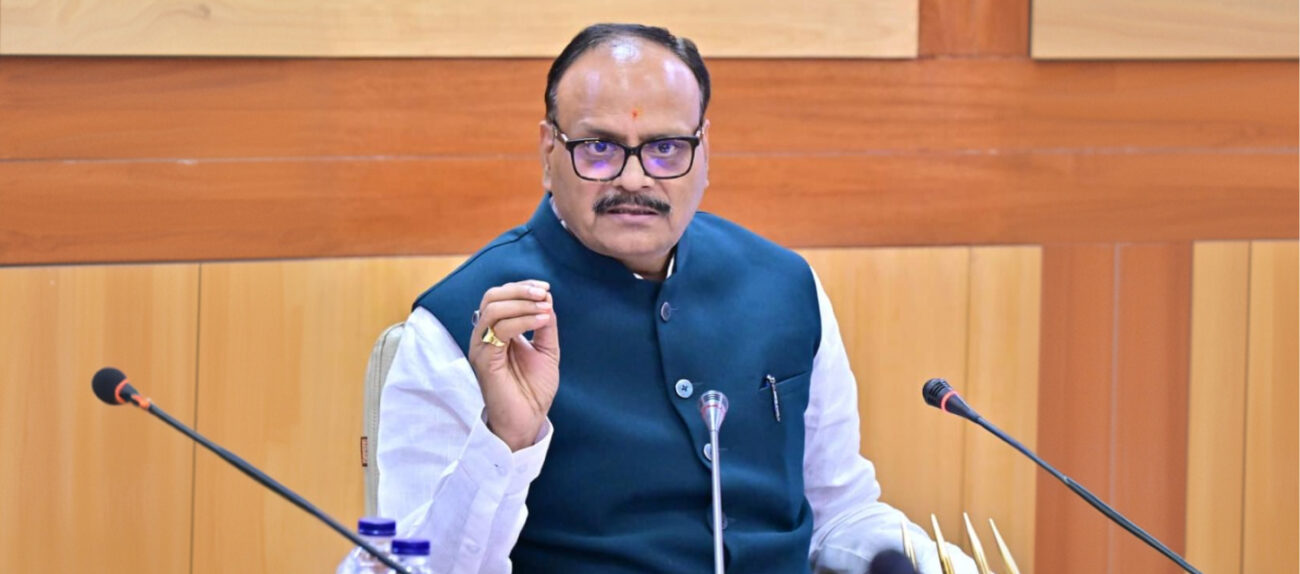
Brajesh Pathak, Deputy Chief Minister of Uttar Pradesh, has proposed a comprehensive technology driven healthcare strategy aimed at reducing maternal deaths and improving maternal health outcomes across the state. The initiative focuses on leveraging digital tools, strengthening healthcare infrastructure, and ensuring real time monitoring of maternal care services.
Speaking at a high level review meeting held at Yojana Bhawan, Pathak emphasized the need for a holistic and data driven approach to bring maternal mortality closer to zero. The roadmap has been developed under the Mukhyama Matritva Suraksha Sankalp Yojana, which aims to eliminate preventable maternal deaths through targeted interventions and improved healthcare delivery systems.
A key component of the proposed plan is the development of a mobile application designed to ensure 100% registration of pregnant women, enabling end to end tracking of antenatal care, institutional deliveries, and postnatal services. The digital platform is expected to improve timely interventions, reduce delays in care, and strengthen accountability across healthcare providers.
According to government data, Uttar Pradesh accounts for a significant share of India’s maternal health burden. India’s Maternal Mortality Ratio (MMR) stands at 97 deaths per 100,000 live births (Sample Registration System 2018–20), while Uttar Pradesh has historically reported higher than national-average MMR, underscoring the need for targeted, technology enabled interventions.
The proposed strategy also includes strengthening hospital infrastructure, enhancing quality of care, improving referral systems, and augmenting human resources across primary health centres, community health centres, and district hospitals. Digital monitoring systems will be deployed to track high risk pregnancies and ensure timely medical support.
Officials highlighted that improved maternal health outcomes depend on early registration, regular antenatal check-ups, institutional deliveries, and postnatal care all of which can be significantly enhanced through real time digital tracking and analytics.
The initiative aligns with India’s broader public health goals under the National Health Mission to reduce maternal mortality and improve reproductive healthcare outcomes through technology integration and systemic reforms.
This move marks a significant step toward building a data driven maternal healthcare ecosystem in Uttar Pradesh, reinforcing the state government’s commitment to leveraging digital innovation to achieve measurable improvements in maternal and child health indicators.