
NFHS-6 Finds Decline in Family Planning Use in Delhi as Unmet Need for Contraception Increases
The latest National Family Health Survey (NFHS-6) has revealed a decline in the use of family planning methods among married women in Delhi, raising concerns about access to reproductive health services and unmet contraceptive needs

The latest National Family Health Survey (NFHS-6) has revealed a decline in the use of family planning methods among married women in Delhi, raising concerns about access to reproductive health services and unmet contraceptive needs in the national capital.
According to the survey, 67.4% of currently married women aged 15-49 years reported using any family planning method-modern or traditional-in 2023-24, down from 76.4% recorded in NFHS-5 (2019-21). The findings indicate a significant drop in contraceptive usage over the past few years.
Health experts say the decline is accompanied by an increase in the unmet need for family planning, a key indicator that measures the proportion of women who wish to delay or avoid pregnancy but are not using any contraceptive method. Rising unmet need can contribute to unintended pregnancies, maternal health risks, and increased pressure on healthcare services.
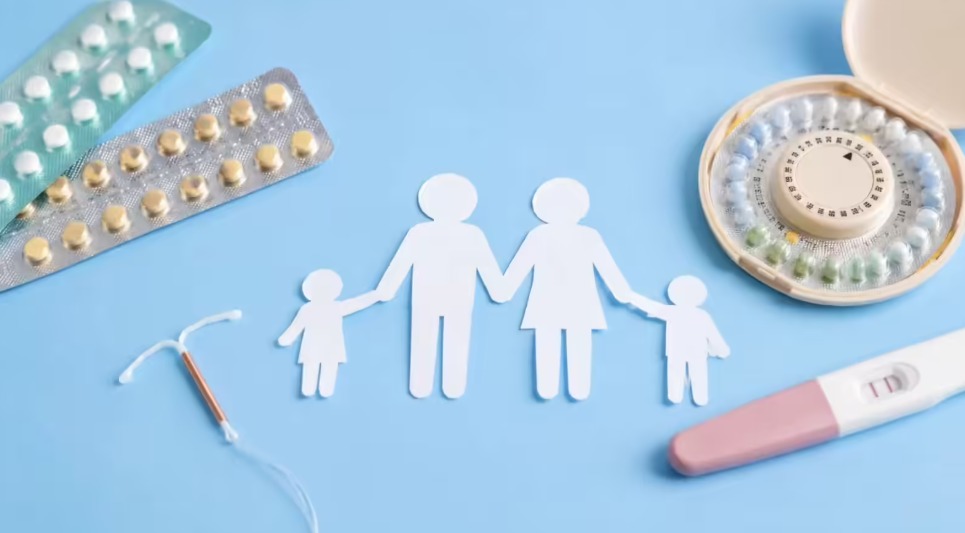
India’s national family planning programme has long focused on improving access to contraceptive choices, reproductive healthcare, and maternal health services. Available family planning options include condoms, oral contraceptive pills, intrauterine contraceptive devices (IUCDs), injectables, sterilization procedures, and other modern methods.
Public health specialists note that family planning plays a crucial role in improving maternal and child health outcomes, reducing high risk pregnancies, and supporting women’s reproductive rights. Studies have shown that access to modern contraception can significantly lower maternal mortality and improve family wellbeing.
The NFHS-6 findings come at a time when Delhi continues to strengthen healthcare services and expand public health programmes. Experts believe the latest data highlights the need for renewed awareness campaigns, improved counselling services, and greater accessibility of contraceptive options, particularly among underserved populations.
Healthcare professionals stress that family planning is not only a reproductive health issue but also an important component of broader public health and socio economic development. The survey findings are expected to inform future policy interventions aimed at improving reproductive healthcare access and addressing gaps in contraceptive coverage across the capital.