

Unsafe Food Causes 1.5 Million Deaths Annually Worldwide, WHO Warns in Major Global Food Safety Report
Unsafe food continues to pose a significant global public health threat, causing an estimated 1.5 million deaths every year worldwide, according to a new assessment released by the WHO. The findings are based on an analysis

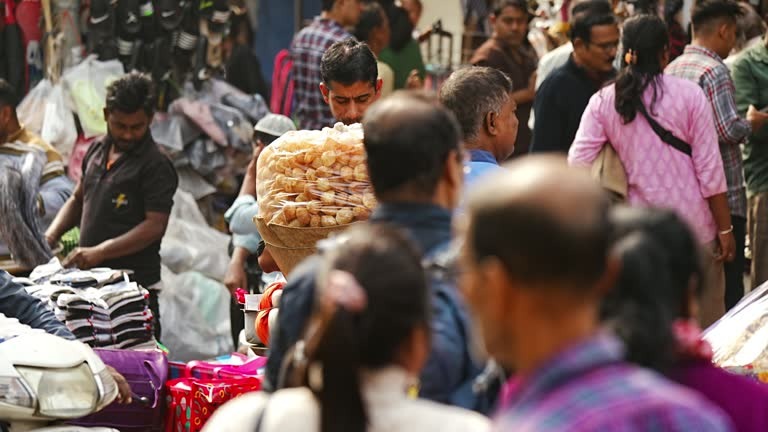
Unsafe food continues to pose a significant global public health threat, causing an estimated 1.5 million deaths every year worldwide, according to a new assessment released by the WHO.
The findings are based on an analysis of 194 countries between 2000 and 2021, highlighting the persistent burden of foodborne diseases despite advances in healthcare, sanitation, and food safety regulations. According to the report, approximately 886 million people fall ill each year due to the consumption of unsafe food, making food contamination one of the world’s most widespread health challenges.
The WHO report reveals that children under the age of five remain among the most vulnerable groups, with young children found to be nearly three times more likely to be at risk of foodborne illnesses than older populations. Health experts warn that contaminated food can lead to severe infections, malnutrition, developmental complications, and, in extreme cases, death.
Foodborne diseases are commonly caused by bacteria, viruses, parasites, toxins, and chemical contaminants present in food and water. Conditions such as diarrhoeal diseases, salmonella infections, listeriosis, and food poisoning continue to place a substantial burden on healthcare systems worldwide.
Public health specialists note that food safety is increasingly important as global food supply chains become more complex. Contamination can occur at any stage of production, processing, transportation, storage, or preparation, making effective monitoring and regulation essential.
The WHO has called on governments, food producers, regulators, and consumers to strengthen food safety measures through improved hygiene practices, stricter quality controls, enhanced surveillance systems, and greater public awareness. Experts emphasize that simple practices such as proper handwashing, safe food storage, thorough cooking, and avoiding cross-contamination can significantly reduce the risk of foodborne illnesses.
The report serves as a reminder that food safety remains a critical component of public health. As populations grow and food systems evolve, health authorities stress the need for continued investment in food safety infrastructure to prevent illness, save lives, and protect vulnerable communities.
With nearly 886 million illnesses linked to unsafe food every year, WHO says strengthening food safety measures must remain a global priority for governments and healthcare systems alike.