
The Rise of Remote Patient Monitoring in India’s Healthcare System Transforming Care Beyond Hospital Walls
Remote Patient Monitoring is rapidly emerging as a game changing component of India's healthcare ecosystem, enabling doctors to monitor patients' health in real time without requiring frequent hospital visits. Driven by digital health adoption, increasing

Remote Patient Monitoring is rapidly emerging as a game changing component of India’s healthcare ecosystem, enabling doctors to monitor patients’ health in real time without requiring frequent hospital visits. Driven by digital health adoption, increasing smartphone penetration, and the growing burden of chronic diseases, RPM is helping reshape healthcare delivery across urban and rural India.
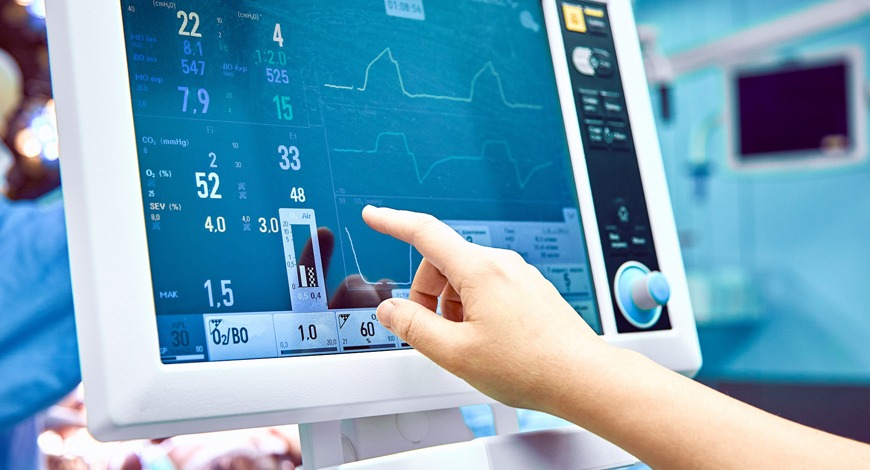
Remote Patient Monitoring involves the use of connected medical devices, wearable sensors, and mobile health applications to collect and transmit patient health data such as blood pressure, heart rate, blood glucose levels, oxygen saturation, and ECG readings to healthcare providers. This allows clinicians to track patients remotely and intervene early when necessary.
The need for RPM is growing as India faces a rising burden of non communicable diseases. According to government and public health estimates, chronic diseases such as diabetes, cardiovascular disorders, hypertension, and respiratory illnesses account for more than 60% of deaths in India. Managing these conditions often requires continuous monitoring, making remote healthcare solutions increasingly valuable.
Healthcare experts say RPM can significantly reduce hospital admissions, improve treatment adherence, and support early detection of complications. The technology has proven particularly beneficial for elderly patients, post surgical recovery cases, cardiac patients, and individuals living in remote areas with limited access to specialized healthcare services.
The growth of India’s digital healthcare infrastructure is further accelerating adoption. Initiatives such as the Ayushman Bharat Digital Mission (ABDM) and the expansion of telemedicine services have created a foundation for more integrated and technology enabled healthcare delivery. The increasing use of wearable devices and connected health platforms is also contributing to the shift toward preventive and continuous care models.
Industry analysts estimate that the global remote patient monitoring market is expected to witness strong double digit growth over the coming years, with India emerging as one of the fastest-growing markets due to its large patient population and expanding digital ecosystem.
However, experts note that challenges remain, including data privacy concerns, interoperability issues, digital literacy gaps, and the need for robust regulatory frameworks. Addressing these challenges will be essential for ensuring safe and effective implementation.
As healthcare increasingly moves beyond traditional hospital settings, Remote Patient Monitoring is expected to play a critical role in improving access, reducing costs, and enhancing patient outcomes. Experts believe the technology could become a cornerstone of India’s future healthcare delivery model, bringing quality care closer to patients wherever they are.