

Blood Test May Detect Lung Cancer Up to Five Years Before Diagnosis, New Study Finds
Researchers have developed a promising blood test that may be capable of detecting signs of lung cancer up to five years before clinical diagnosis, potentially opening a new frontier in early cancer detection and prevention. The

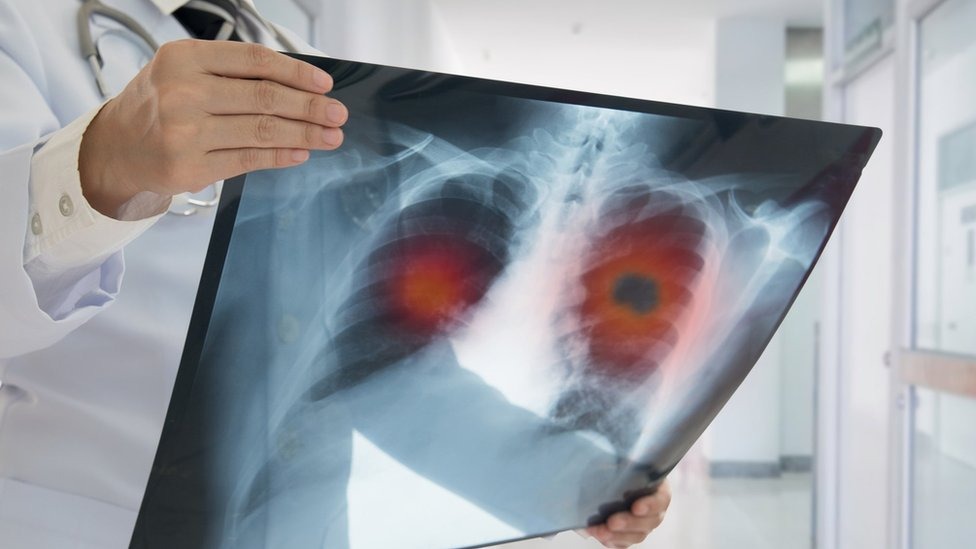
Researchers have developed a promising blood test that may be capable of detecting signs of lung cancer up to five years before clinical diagnosis, potentially opening a new frontier in early cancer detection and prevention.
The study offers fresh insights into the biological processes that drive lung cancer development, suggesting that air pollution exposure, cancer causing genetic mutations, and chronic inflammation may interact long before symptoms appear. Scientists identified a potential role for interleukin-1 beta (IL-1β), an immune signaling molecule linked to inflammation, in promoting pathways associated with tumour formation.
According to researchers, the blood based approach could help identify individuals at elevated risk of developing lung cancer years before conventional diagnostic methods detect the disease. Early detection remains one of the most important factors influencing survival outcomes, as lung cancer is often diagnosed at advanced stages when treatment options become more limited.
Lung cancer continues to be the leading cause of cancer-related deaths globally. According to the WHO, the disease accounts for approximately 2.5 million new cases annually worldwide, representing one of the most commonly diagnosed cancers. Survival rates improve significantly when the disease is detected at an early stage.
The study also strengthens growing evidence linking environmental factors, particularly air pollution, to cancer risk. Researchers believe that long term exposure to airborne pollutants may trigger inflammatory processes that contribute to tumour development, especially in individuals carrying pre existing genetic mutations.
Healthcare experts describe the findings as an important step toward the development of precision screening tools capable of identifying high risk individuals before symptoms emerge. Such technologies could complement existing screening methods, including low dose CT scans, which are currently recommended for selected high-risk populations.
While the blood test remains under further investigation and is not yet ready for routine clinical use, scientists say the results highlight the potential of biomarker based screening in transforming cancer care. Additional studies will be required to validate the findings across larger and more diverse populations.
Experts emphasize that smoking cessation, reducing exposure to air pollution, and participating in recommended screening programs remain critical strategies for lowering lung cancer risk.
If validated in future trials, the blood test could become a powerful tool in detecting lung cancer earlier, improving treatment outcomes, and potentially saving thousands of lives through timely intervention.