
Indian Slum Children Face Rising Double Burden of Malnutrition, Study Finds
A new study has highlighted a growing public health challenge among children living in India's urban slums, revealing that many face a double burden of malnutrition experiencing both undernutrition in early life and obesity during

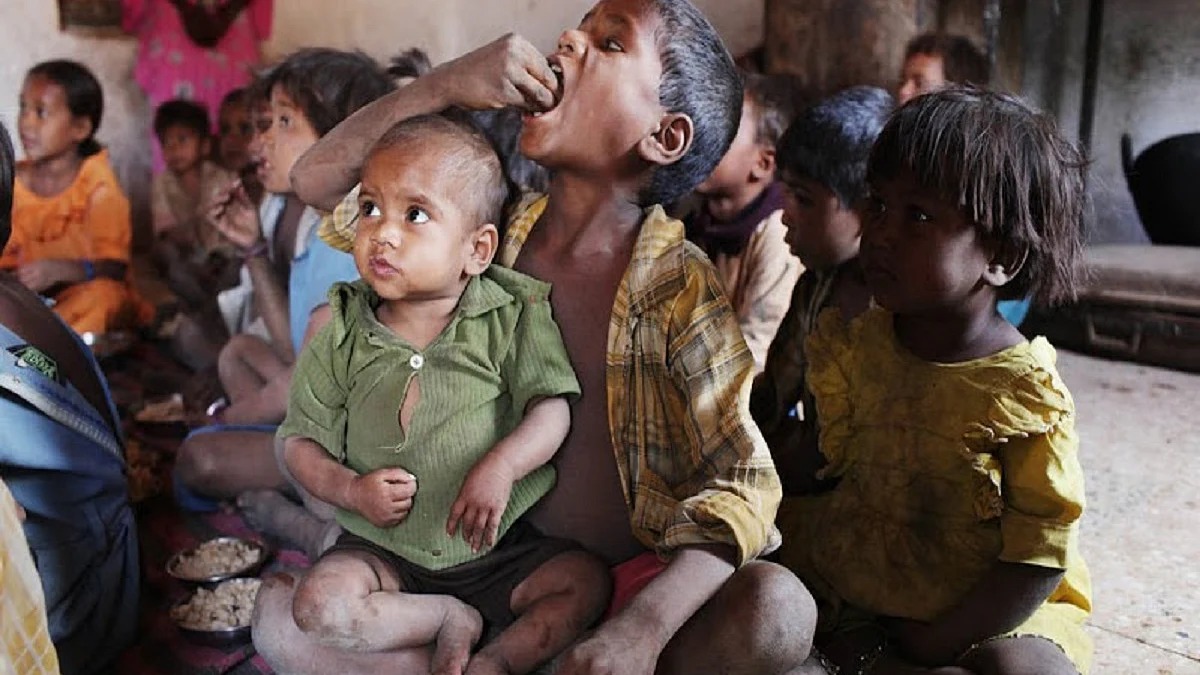
A new study has highlighted a growing public health challenge among children living in India’s urban slums, revealing that many face a double burden of malnutrition experiencing both undernutrition in early life and obesity during childhood.
Researchers from Christian Medical College (CMC), Vellore, tracked 250 children born in an urban slum between 2010 and 2012, following their growth and health outcomes until the age of nine. The findings showed that while a significant number of children began life with nutritional deficiencies and poor growth indicators, an increasing proportion developed overweight and obesity during their early school years.
The study underscores a major shift in India’s nutrition landscape, where traditional concerns about undernutrition now coexist with rising rates of childhood obesity. Experts say rapid urbanization, changing dietary patterns, increased consumption of processed foods, and reduced physical activity may be contributing to this trend.
Public health specialists describe the phenomenon as the “double burden of malnutrition,” where populations simultaneously face undernutrition, micronutrient deficiencies, overweight, and obesity. This transition is increasingly being observed in low income urban communities across developing countries.
According to WHO, childhood obesity has become a major global health concern, while undernutrition continues to affect millions of children worldwide. Both conditions can have long term consequences, including impaired physical development, increased risk of diabetes, cardiovascular disease, and other chronic illnesses later in life.
Researchers noted that early life nutritional deprivation may influence metabolic pathways, making some children more vulnerable to excessive weight gain when exposed to calorie dense diets later in childhood. The findings suggest that interventions focused solely on reducing undernutrition may no longer be sufficient in rapidly changing urban environments.
Healthcare experts emphasize the need for integrated nutrition strategies that address both ends of the malnutrition spectrum. These include improving maternal nutrition, promoting breastfeeding, ensuring access to balanced diets, encouraging physical activity, and reducing children’s exposure to highly processed foods.
The study’s findings carry important implications for policymakers and public health programs as India continues to tackle nutritional challenges across diverse populations. Experts believe targeted interventions in urban slum communities will be essential to preventing both undernutrition and obesity among children.
As India’s nutrition profile evolves, the research highlights the urgent need for comprehensive child health policies that recognize and address the growing complexity of malnutrition in all its forms.