

New Study Reveals Why Walking Becomes Slower and More Tiring with Age
A new Australian study has shed light on why walking tends to become slower, less efficient, and more tiring as people age, revealing that the body increasingly prioritizes stability over energy efficiency in an effort

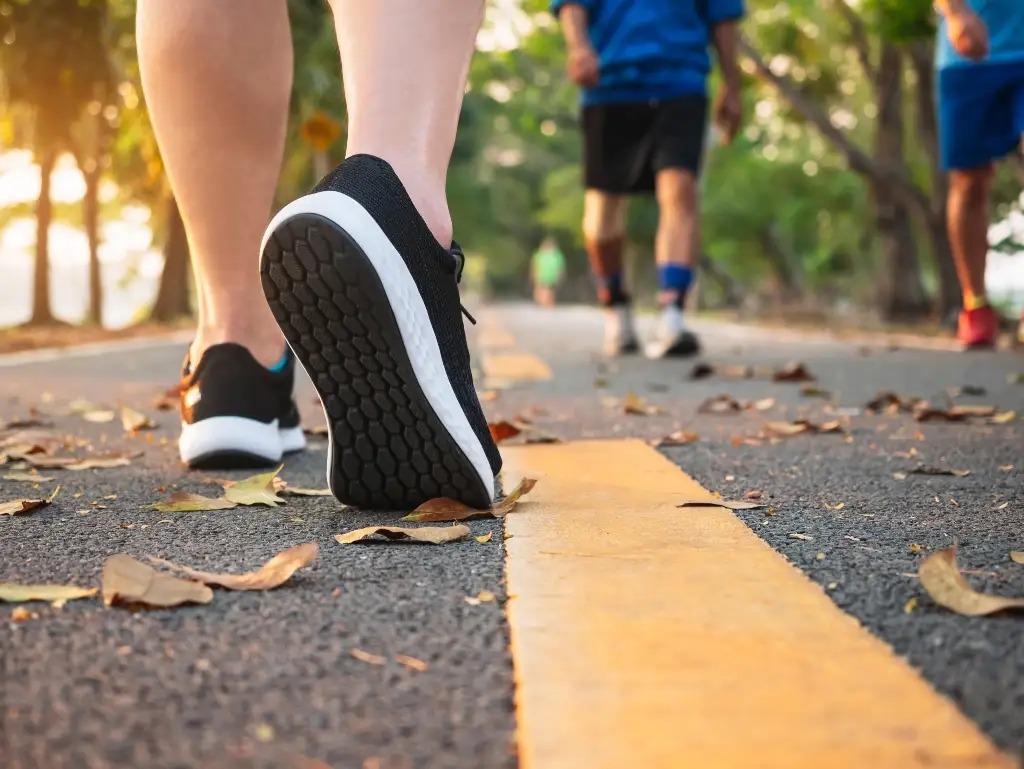
A new Australian study has shed light on why walking tends to become slower, less efficient, and more tiring as people age, revealing that the body increasingly prioritizes stability over energy efficiency in an effort to reduce the risk of falls.
The research, led by Flinders University and the University of Canberra, found that aging adults adopt a “safety first” walking strategy that helps maintain balance but requires greater energy expenditure. The findings provide important insights into age related mobility decline and may help guide future interventions aimed at improving movement and independence among older adults.
Researchers analyzed movement data from 107 healthy adults aged between 26 and 86 years and identified subtle but significant changes in how the ankle and surrounding muscles function during walking. The study found that as people age, the body’s ability to efficiently convert muscular effort into forward movement gradually declines.
According to lead author Dr. Cody Lindsay, an expert in sport and exercise technology, the ankle plays a crucial role in both propulsion and balance. The research showed that older adults increasingly rely on muscle activation patterns that favor stability and postural control, even if those adjustments make walking slower and more physically demanding.
The findings help explain why many older adults experience fatigue during routine activities and face a higher risk of mobility limitations. Falls remain a major public health concern worldwide, particularly among aging populations. According to the World Health Organization (WHO), falls are among the leading causes of injury related hospitalization and disability in older adults.
Healthcare experts note that maintaining mobility is essential for healthy aging, as reduced walking ability can affect independence, social participation, cardiovascular health, and overall quality of life. The study suggests that age related changes in gait are not simply a result of muscle weakness but may represent an adaptive strategy by the body to remain upright and avoid injury.
Researchers believe the findings could support the development of targeted rehabilitation programs, balance training interventions, and assistive technologies designed to improve walking efficiency while preserving stability.
Experts also emphasize that regular physical activity, strength training, balance exercises, and mobility focused rehabilitation can help older adults maintain functional independence and reduce fall risk.
As global populations continue to age, understanding the biomechanics behind mobility decline will become increasingly important. The study offers valuable insights into how the human body adapts with age and highlights opportunities to support healthier, more active aging through evidence based interventions.