
China Approves World’s First Commercial Brain Implant, Marking Major Milestone in Brain-Computer Interface Technology
China has become the first country to approve a commercially available invasive brain computer interface (BCI) system, authorizing the use of NEO, a coin sized neural implant designed to help people with paralysis regain motor

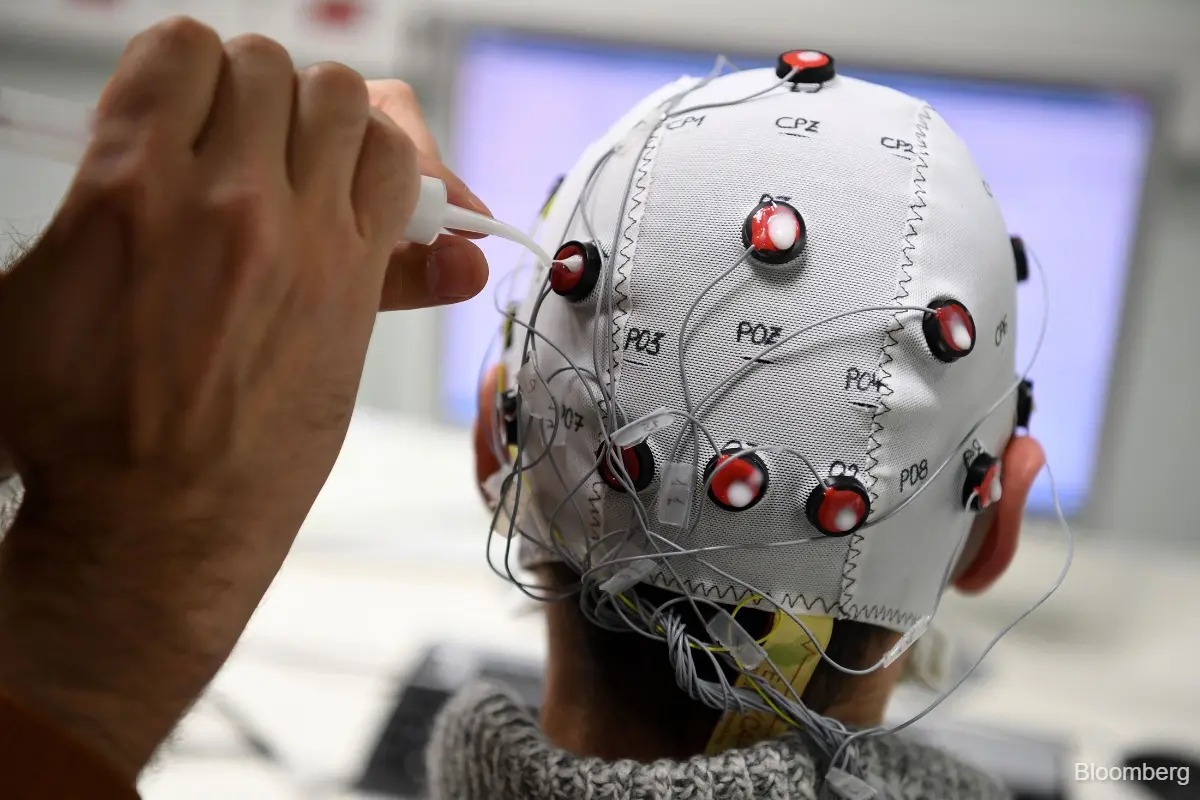
China has become the first country to approve a commercially available invasive brain computer interface (BCI) system, authorizing the use of NEO, a coin sized neural implant designed to help people with paralysis regain motor function and communicate through direct brain signals. The approval positions China at the forefront of the rapidly evolving neurotechnology sector and places NEO ahead of several high profile international brain interface projects currently undergoing clinical development.
The NEO implant utilizes eight neural sensors placed on the dura mater, the protective membrane surrounding the brain. The system captures neural activity, interprets brain signals, and converts them into digital commands that can be used to control external devices or support movement related functions.
Developers of the technology say the implant is intended to assist individuals living with paralysis and severe neurological impairments by enabling communication and interaction with computers, assistive technologies, and potentially robotic systems. The commercial authorization represents a significant step toward broader clinical adoption of brain computer interface technologies.
Brain computer interfaces are emerging as one of the most promising areas of medical innovation. These systems establish a direct communication pathway between the brain and external devices, offering potential applications in paralysis rehabilitation, neurodegenerative disease management, stroke recovery, and assistive communication technologies.
The approval comes amid growing global investment in neurotechnology. Several companies and research institutions worldwide are developing implantable and non invasive BCIs aimed at restoring lost neurological functions and improving quality of life for patients with severe disabilities.
Healthcare experts note that paralysis affects millions of people globally, often resulting from spinal cord injuries, stroke, traumatic brain injury, or neurological disorders. Technologies capable of translating neural signals into functional commands could significantly expand independence and rehabilitation opportunities for affected individuals.
Industry analysts view China’s approval of NEO as a milestone for the broader BCI sector, which is expected to experience substantial growth over the coming decade. Advances in artificial intelligence, signal processing, sensor technology, and neuroscience are accelerating the development of next generation neural interfaces.
While the technology holds significant promise, experts emphasize the importance of long-term safety monitoring, clinical validation, data privacy protections, and ethical oversight. Regulatory agencies worldwide continue to evaluate the benefits and risks associated with implantable brain computer interfaces as the field advances toward mainstream healthcare applications.
The commercialization of NEO highlights the increasing convergence of neuroscience, artificial intelligence, and medical technology. As brain computer interfaces continue to evolve, researchers believe they could transform the treatment of neurological disorders and redefine how humans interact with technology in the future.