
Robotic Assisted Surgery Gains Momentum Across India as Hospitals Adopt Precision Technologies for Complex Procedures
Robotic assisted surgery is witnessing rapid adoption across India's healthcare sector, with hospitals increasingly leveraging advanced surgical platforms to enhance precision, improve patient outcomes and reduce recovery times for complex procedures. Once limited to major

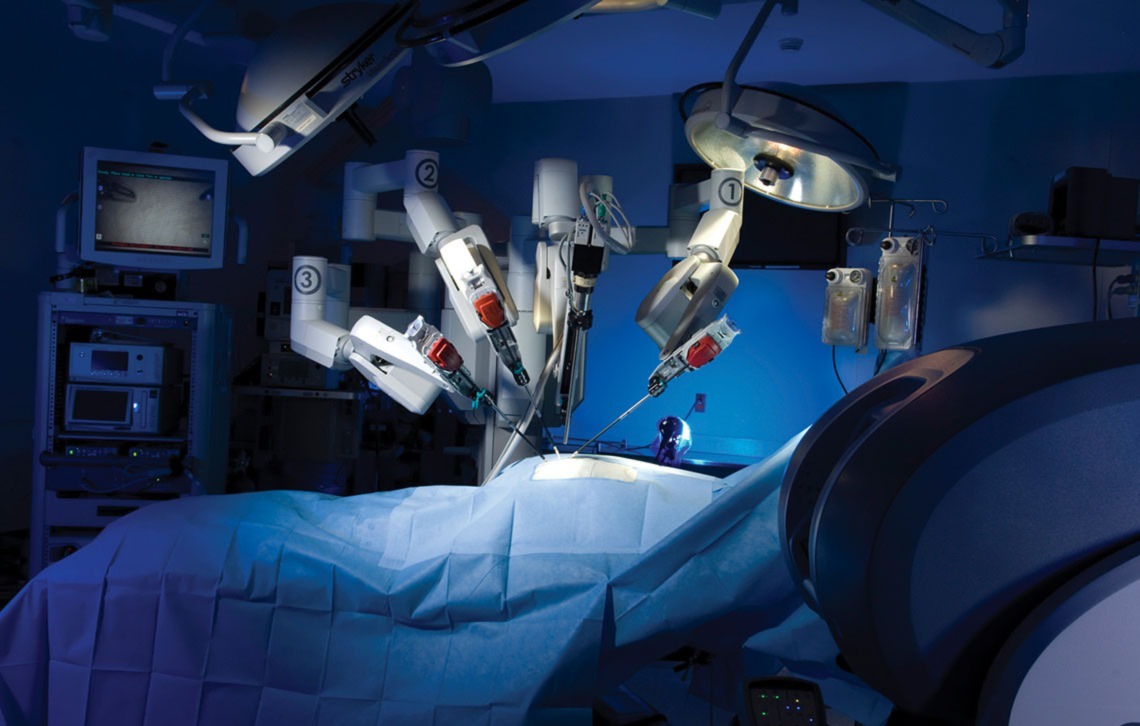
Robotic assisted surgery is witnessing rapid adoption across India’s healthcare sector, with hospitals increasingly leveraging advanced surgical platforms to enhance precision, improve patient outcomes and reduce recovery times for complex procedures. Once limited to major metropolitan hospitals, robotic surgery is now expanding into smaller cities and private healthcare institutions, reflecting growing confidence in technology driven surgical care.
Healthcare providers across the country are increasingly utilizing robotic assisted systems in specialties such as orthopaedics, neurosurgery, urology, gastrointestinal surgery and oncology. Experts note that robotic platforms offer enhanced visualization, greater dexterity and improved precision, enabling surgeons to perform complex procedures with smaller incisions, reduced blood loss and faster patient recovery.
The trend is no longer confined to large tertiary care centers in metropolitan cities. Smaller healthcare institutions and private hospitals are adopting robotic technologies, particularly for joint replacement surgeries, spine procedures and urological interventions. In orthopaedics, robotic assisted systems are being used to improve implant positioning and alignment accuracy, which can contribute to better long term outcomes and reduced revision rates.
According to industry estimates, the global robotic surgery market is projected to exceed USD 25 billion by 2030, driven by technological advancements, increasing surgical volumes and growing demand for minimally invasive procedures. India has emerged as one of the fastest growing markets for robotic surgery adoption, supported by investments in healthcare infrastructure and rising patient awareness.
Healthcare experts highlight that robotic-assisted surgery does not replace surgeons but rather enhances surgical capabilities through advanced imaging, real time navigation and precision guided interventions. Studies have shown that robotic assisted procedures can reduce hospital stays, minimize complications and accelerate recovery in selected patient populations.
The adoption of robotic technologies has been particularly significant in urology, where robotic assisted prostate and kidney surgeries have become increasingly common, and in orthopaedics, where robotic systems are improving the precision of knee and hip replacement procedures. Neurosurgery and gastrointestinal surgery are also witnessing growing utilization of robotic platforms for complex interventions.
India’s hospital sector has witnessed substantial investments in robotic surgical infrastructure over the past decade, with leading healthcare providers expanding their robotic surgery programs across multiple specialties. Industry observers believe that increasing competition, technological innovation and broader availability of robotic platforms will continue to drive adoption beyond metropolitan centers.
While experts acknowledge that the high cost of robotic systems remains a challenge, they note that increasing utilization and technological advancements are expected to improve accessibility over time. The growing adoption of robotic assisted surgery underscores the broader transformation of healthcare delivery through advanced technologies and reflects the increasing emphasis on precision medicine and patient centric care.
As hospitals continue to invest in next generation surgical technologies, robotic assisted procedures are expected to play an increasingly important role in improving surgical outcomes and shaping the future of healthcare in India.