
Gujarat Reports 22 Child Deaths from Chandipura Virus This Monsoon; Seven Patients Undergoing Treatment
Gujarat has reported 22 deaths among children due to Chandipura Virus (CHPV) infection during the current monsoon season, prompting the state health department to intensify surveillance, vector control measures and critical care preparedness. According to

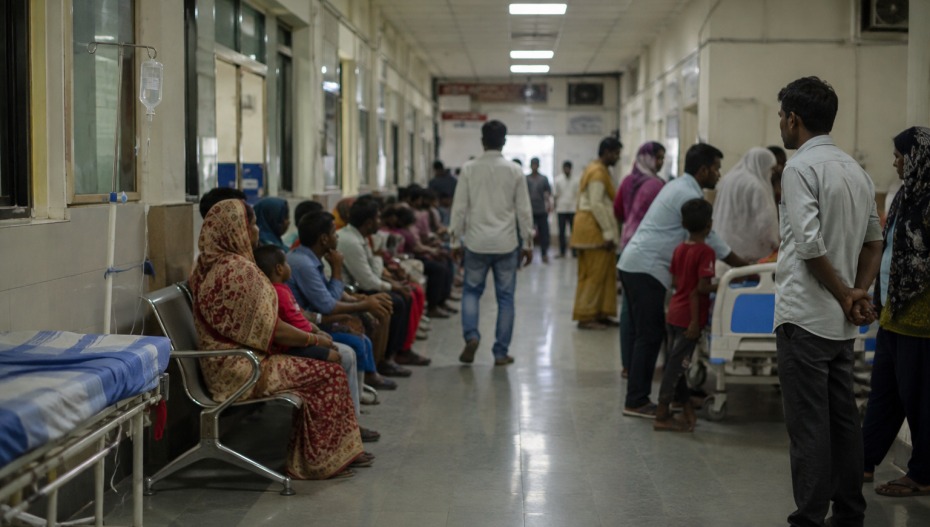
Gujarat has reported 22 deaths among children due to Chandipura Virus (CHPV) infection during the current monsoon season, prompting the state health department to intensify surveillance, vector control measures and critical care preparedness. According to state health officials, seven patients remain under treatment at civil hospitals in Gandhinagar, Rajkot and other districts, while government and private paediatric healthcare facilities have been directed to immediately admit suspected cases to intensive care units (ICUs) to prevent severe neurological complications and organ failure. The development has raised concerns over the seasonal resurgence of the mosquito and sandfly borne viral disease, which primarily affects children under the age of 15.
State Health Minister Rushikesh Patel said health authorities have strengthened surveillance across affected districts and instructed hospitals to ensure the availability of ICU beds, ventilators and emergency paediatric care. Rapid response teams have been deployed to conduct active case detection, vector control activities and public awareness campaigns, while suspected samples are being tested at designated laboratories for confirmation. The government has also advised district administrations to intensify fogging operations and eliminate breeding sites to curb the spread of disease carrying vectors.
Chandipura Virus (CHPV) belongs to the Rhabdoviridae family and is transmitted primarily through the bite of infected sandflies (Phlebotomus species), although other insects such as mosquitoes and ticks may also play a role in transmission. The infection predominantly affects children and is known to cause Acute Encephalitis Syndrome (AES), characterised by sudden high fever, vomiting, seizures, altered consciousness and rapid neurological deterioration. The disease can progress quickly, with severe cases leading to brain inflammation, multi organ failure
and death within 24 to 48 hours if not treated promptly. Currently, there is no specific antiviral treatment or licensed vaccine for Chandipura virus, making early diagnosis and intensive supportive care critical to improving survival.
According to the National Centre for Vector Borne Disease Control (NCVBDC) and the Indian Council of Medical Research (ICMR), Chandipura virus outbreaks have been reported periodically in western and central India, particularly during the monsoon season when sandfly populations increase. Gujarat has witnessed multiple outbreaks over the past two decades, with children remaining the most vulnerable group due to limited immunity.
Public health experts recommend early hospitalisation of symptomatic children, effective vector control, use of insecticide treated bed nets and improved environmental sanitation to reduce transmission.
Healthcare experts have urged parents and caregivers to seek immediate medical attention if children develop sudden fever, persistent vomiting, convulsions or altered behaviour, particularly in affected districts. They
emphasise that while Chandipura virus remains relatively uncommon, its rapid progression and high fatality rate require swift clinical intervention. Strengthening surveillance, enhancing paediatric critical care capacity and sustaining community based vector control measures will be essential to limiting further spread and reducing mortality during the ongoing monsoon season.