
Rising Healthcare Costs in India: Is Quality Treatment Becoming Unaffordable?
Healthcare News Healthcare is one of the most important necessities of life, but accessing quality medical treatment is becoming increasingly expensive for millions of Indian families. From routine doctor consultations and diagnostic tests to hospital

Healthcare is one of the most important necessities of life, but accessing quality medical treatment is becoming increasingly expensive for millions of Indian families. From routine doctor consultations and diagnostic tests to hospital admissions, surgeries and long-term treatments, the cost of healthcare is putting growing pressure on household budgets. For many middle-income families, even a medical emergency can create serious financial difficulties.
The rising Healthcare Costs in India have become a major concern as medical expenses continue to affect household savings and financial stability. While India has made significant progress in healthcare infrastructure, medical technology and specialised treatment facilities, affordability remains a challenge for a large section of the population.
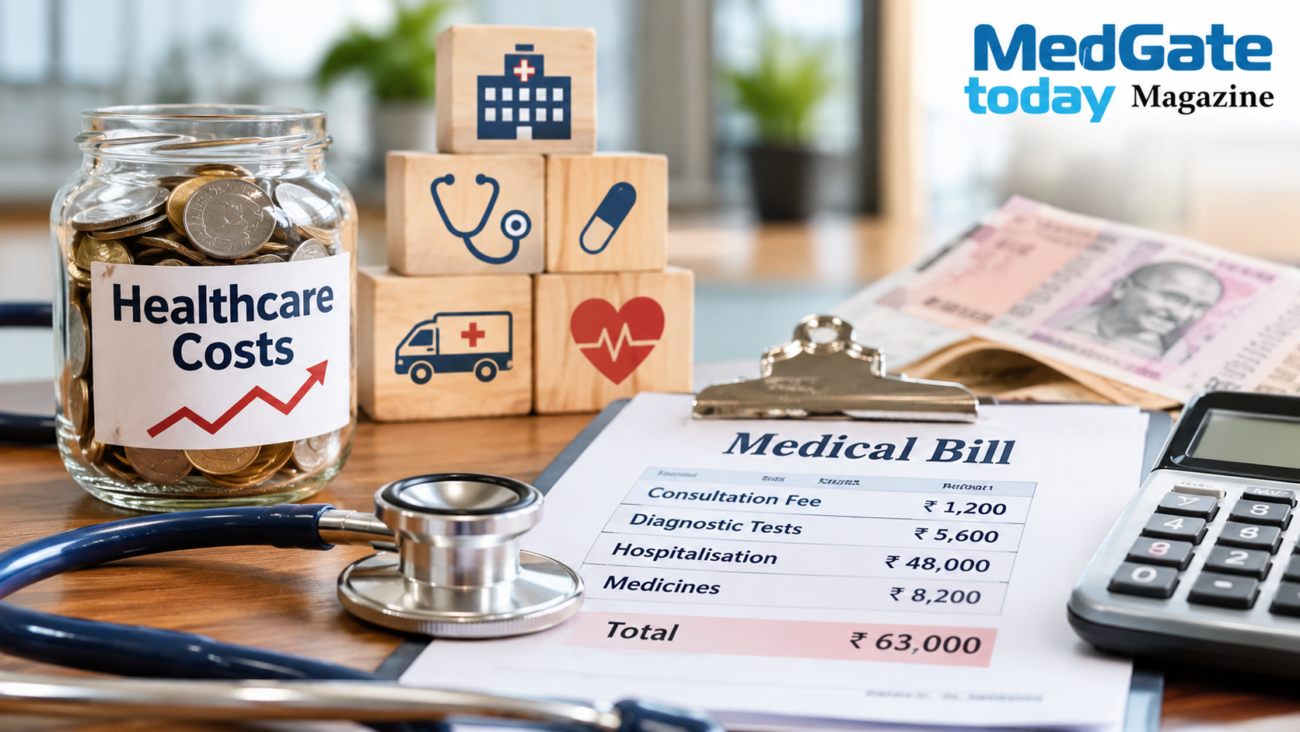
Medical consultation fees, diagnostic charges, hospital room costs, medicines and surgical procedures can quickly increase the overall cost of treatment. Although government healthcare schemes and private health insurance policies provide financial support, many patients still have to pay a considerable amount from their own pockets.
This raises an important question: Is quality medical treatment becoming increasingly unaffordable for the common citizen?
Understanding the reasons behind rising healthcare expenses, the impact of medical inflation and the limitations of existing insurance coverage is essential to finding practical solutions.
Understanding the Rising Healthcare Costs in India
The rising Healthcare Costs in India reflect an increase in the amount individuals and families spend on medical services, medicines, diagnostics and hospitalisation. These expenses are influenced by several factors, including inflation, advanced medical technology, infrastructure investments and the growing demand for specialised healthcare services.
Private hospitals, particularly those offering advanced treatments and specialised medical facilities, often have higher operating costs. Investments in modern equipment, skilled medical professionals, advanced diagnostic systems and hospital infrastructure can influence treatment prices.
For patients, however, the impact is direct. A routine health check-up that was previously affordable may now involve multiple diagnostic tests and specialist consultations. Similarly, a hospital admission can involve expenses beyond the actual medical procedure.
The problem becomes more serious when individuals require continuous treatment for chronic conditions such as diabetes, cardiovascular diseases, kidney disorders and cancer. These patients may need regular consultations, medicines, investigations and follow-up procedures, creating a long-term financial burden.
Medical Inflation in India: Why Is Treatment Becoming More Expensive?
Medical Inflation in India is one of the major reasons behind increasing healthcare expenditure. Medical inflation refers to the rise in the cost of healthcare services, medicines, medical equipment and treatments over time.
Unlike general inflation, healthcare inflation can be influenced by specialised factors such as new treatment technologies, imported medical equipment, pharmaceutical pricing and the availability of trained healthcare professionals.
Rising Doctor Consultation and Diagnostic Costs
The cost of consulting experienced specialists has increased in many urban healthcare markets. Patients visiting cardiologists, neurologists, oncologists and other specialists may have to pay higher consultation fees, particularly at large private hospitals.
Diagnostic services also contribute significantly to medical expenses. Blood investigations, MRI scans, CT scans, ultrasound examinations and other specialised tests can increase the overall treatment bill.
For patients requiring repeated investigations, these expenses can become difficult to manage. Early diagnosis is essential for better treatment outcomes, but high diagnostic costs may discourage some individuals from seeking timely medical attention.
Increasing Hospitalisation and Treatment Expenses
Hospitalisation is among the most financially demanding aspects of healthcare. The overall cost of treatment is not limited to the doctor’s fee or surgical procedure.
Patients may also have to pay for hospital rooms, nursing services, medicines, consumables, diagnostic investigations, intensive care facilities and post-treatment care.
Advanced surgeries and specialised treatments can further increase the financial burden. In some cases, patients and their families are surprised by the final hospital bill because several additional services are charged separately.
This makes transparent pricing and clear communication between hospitals and patients increasingly important.
Health Insurance Coverage Versus Actual Patient Expenditure
Health Insurance Coverage plays an important role in protecting families against unexpected medical expenses. However, having an insurance policy does not necessarily mean that every healthcare expense will be covered.
Many individuals purchase health insurance primarily to manage hospitalisation expenses. However, regular doctor consultations, preventive health check-ups, outpatient department (OPD) services and certain medicines may not be included in standard policies.
Even when hospitalisation is covered, policy conditions such as room rent limits, co-payment requirements, waiting periods, exclusions and sub-limits can affect the final reimbursement.
Why Health Insurance May Not Cover Every Medical Expense
One of the common challenges faced by policyholders is the difference between the insured amount and the actual amount payable under policy conditions.
For example, a family may have a health insurance policy worth ₹5 lakh. However, if the treatment involves excluded services, non-payable items or expenses exceeding policy limits, the family may still need to arrange additional funds.
Another concern is that many families do not review their insurance coverage regularly. As medical expenses increase, an insurance amount that appeared sufficient several years ago may no longer provide adequate protection.
Therefore, understanding policy conditions, coverage limits and exclusions is essential before purchasing health insurance.
Out-of-Pocket Expenditure: The Financial Burden on Indian Households
Out-of-Pocket Expenditure refers to the money individuals directly pay for healthcare services from their own income or savings rather than receiving financial support through insurance or government healthcare programmes.
It is one of the most important indicators of healthcare affordability.
According to the National Health Accounts Estimates for India 2021-22, out-of-pocket expenditure accounted for approximately 39.4% of India’s total health expenditure. Although this represented a decline compared with earlier years, direct payments by patients continued to account for a substantial share of healthcare spending.
For many families, these expenses can affect their ability to manage other essential financial responsibilities.
How Medical Expenses Affect Middle-Income Families
Middle-income households often face a difficult situation. Their earnings may be too high to qualify for certain income-based benefits, but their savings may not be sufficient to comfortably manage expensive medical treatments.
Consider a family with a monthly household income of ₹50,000. If a family member requires an unexpected hospital admission costing ₹1.5 lakh, the expense could consume several months of savings.
Families may respond by borrowing money, using credit cards, taking personal loans or delaying other financial commitments.
The situation can become more challenging when a family member requires long-term treatment. Regular medicine purchases, diagnostic investigations and specialist consultations can gradually reduce household savings.
This highlights why Affordable Healthcare should be treated as an important public policy priority rather than simply an individual financial responsibility.
Corporate Health Benefits and OPD Coverage Gaps
Corporate health insurance has become an important employee benefit in many Indian organisations. Employers often provide group health insurance policies to support employees and, in some cases, their dependent family members.
However, corporate insurance coverage frequently focuses on hospitalisation rather than everyday healthcare requirements.
Employees may receive financial protection against major surgeries and hospital admissions but still have to pay for routine consultations, diagnostic tests, medicines and preventive healthcare.
Why OPD Coverage Matters
Outpatient Department services are essential for managing everyday health conditions. Patients with diabetes, hypertension, respiratory conditions and other chronic illnesses may require frequent medical consultations without needing hospital admission.
When OPD services are not included in insurance policies, employees have to manage these expenses independently.
A broader healthcare benefits structure could include preventive health check-ups, outpatient consultations, diagnostic services and mental wellness support.
Employers can also consider offering additional coverage options to employees who want more comprehensive healthcare protection for their families.
Such measures can improve employee well-being while encouraging preventive healthcare and early diagnosis.
Policy Interventions Needed to Make Healthcare More Affordable
Addressing the rising Healthcare Costs in India requires coordinated efforts from government authorities, hospitals, insurance companies, employers and healthcare professionals.
Expanding healthcare infrastructure alone may not solve the affordability problem unless patients can access essential services at reasonable prices.
Strengthening Public Healthcare Infrastructure
Government hospitals and primary healthcare centres play a critical role in providing affordable medical services.
Investment in district hospitals, community health centres, diagnostic facilities and emergency care infrastructure can reduce the pressure on private healthcare facilities.
Improving the availability of specialists, essential medicines and modern medical equipment in government hospitals can also help patients receive treatment closer to their homes.
Improving Transparency in Hospital Pricing
Patients should have access to clear information about consultation charges, diagnostic costs, room categories and treatment packages before undergoing medical procedures wherever possible.
Hospitals can strengthen patient trust by providing transparent estimates and explaining additional charges during treatment.
Standardised billing practices and effective grievance redressal mechanisms can further improve accountability.
Expanding Affordable Health Insurance
Insurance companies and policymakers should explore more comprehensive and affordable insurance products that address everyday healthcare requirements.
Greater access to OPD coverage, preventive services and essential diagnostic investigations could reduce the financial pressure on households.
At the same time, awareness programmes should help individuals understand insurance benefits, exclusions and claim procedures.
Promoting Preventive Healthcare
Preventive healthcare can help reduce the risk of expensive medical complications.
Regular health check-ups, early diagnosis, vaccination, physical activity and awareness about lifestyle-related diseases can improve long-term health outcomes.
Employers, hospitals and government health programmes should encourage preventive care rather than focusing only on treatment after illness develops.
The Future of Affordable Healthcare in India
India’s healthcare sector is expanding through investments in hospitals, medical technology, diagnostics, digital health services and specialised treatment facilities. These developments are improving access to advanced medical care, but affordability must remain central to healthcare planning.
Digital consultations, telemedicine, electronic health records and technology-enabled diagnostic services could help reduce certain operational costs and improve access to medical professionals.
However, technology alone cannot address every affordability challenge. Strong public healthcare infrastructure, effective insurance coverage, transparent hospital pricing and better access to essential medicines are equally important.
The long-term goal should be to create a healthcare system in which patients can receive timely and quality treatment without experiencing severe financial hardship.
Healthcare should not become a privilege available only to those who can afford expensive private medical services. Every citizen should have access to safe, reliable and affordable treatment.
Frequently Asked Questions (FAQs)
1. Why are healthcare costs increasing in India?
Healthcare costs are increasing due to medical inflation, rising hospital operating expenses, advanced medical technology, higher diagnostic charges, specialised treatments and growing demand for quality medical services.
2. What is medical inflation in India?
Medical inflation refers to the increase in the cost of healthcare services, medicines, diagnostic tests, hospitalisation and medical treatments over time. It directly affects the amount individuals and families spend on healthcare.
3. What is out-of-pocket healthcare expenditure?
Out-of-pocket expenditure is the money patients directly pay for medical treatment from their personal income or savings instead of receiving reimbursement through insurance or financial support from government healthcare programmes.
4. Does health insurance cover doctor consultations and diagnostic tests?
Coverage depends on the insurance policy. Many standard health insurance policies primarily cover hospitalisation, while routine consultations and OPD diagnostic expenses may require additional coverage or specific OPD benefits.
5. How can India make healthcare more affordable?
India can improve healthcare affordability by strengthening government hospitals, expanding health insurance coverage, improving medicine accessibility, introducing transparent hospital pricing and investing in preventive healthcare services.
Conclusion: Making Quality Healthcare Accessible to Every Indian
The rising Healthcare Costs in India are becoming a serious concern for individuals, families and policymakers. Increasing consultation fees, diagnostic expenses, hospitalisation charges and gaps in insurance coverage are creating financial challenges, particularly for middle-income households.
Although India has made considerable progress in healthcare infrastructure and medical technology, access to affordable treatment remains an important challenge.
A stronger public healthcare system, wider insurance protection, transparent pricing and greater investment in preventive healthcare can help reduce the financial burden on patients.
Ultimately, the success of India’s healthcare development should not be measured only by the number of hospitals, advanced medical equipment or specialised treatment facilities. It should also be measured by how easily an ordinary citizen can access quality medical care without exhausting their savings.
.
Disclaimer: This article is intended solely for general information and awareness and does not constitute professional advice, recommendation or endorsement; MedGate Today assumes no liability for decisions made based on its contents.